|
|
|
|
Welcome to NASHIA Connections!
The monthly newsletter for everything NASHIA.
You are receiving this newsletter because you are a valued partner in the brain injury community and with NASHIA.
This issue includes highlights from our team's presentations across the country, two critical new resources, and our full lineup of summer trainings. |
|
|
|
|
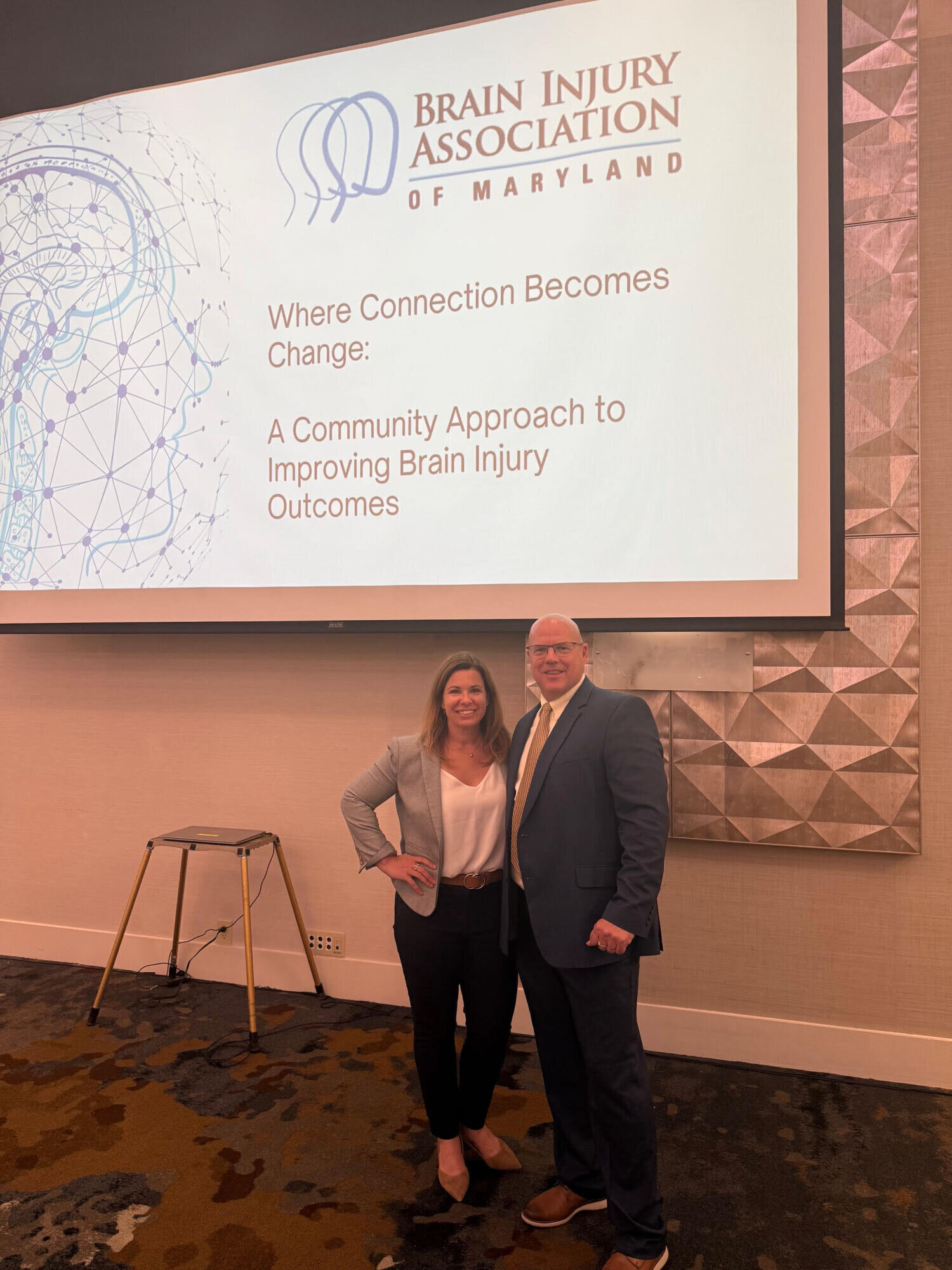
NASHIA’s Executive Director Rebeccah Wolfkiel was proud to attend and present at the Brain Injury Association of Maryland’s annual conference in early April.
Rebeccah co-presented with Lt. Steve Thomas, a career law enforcement officer and nationally recognized CIT professional, about the importance of screening public safety officers for a history of brain injury.
|
|
|
|
|
|
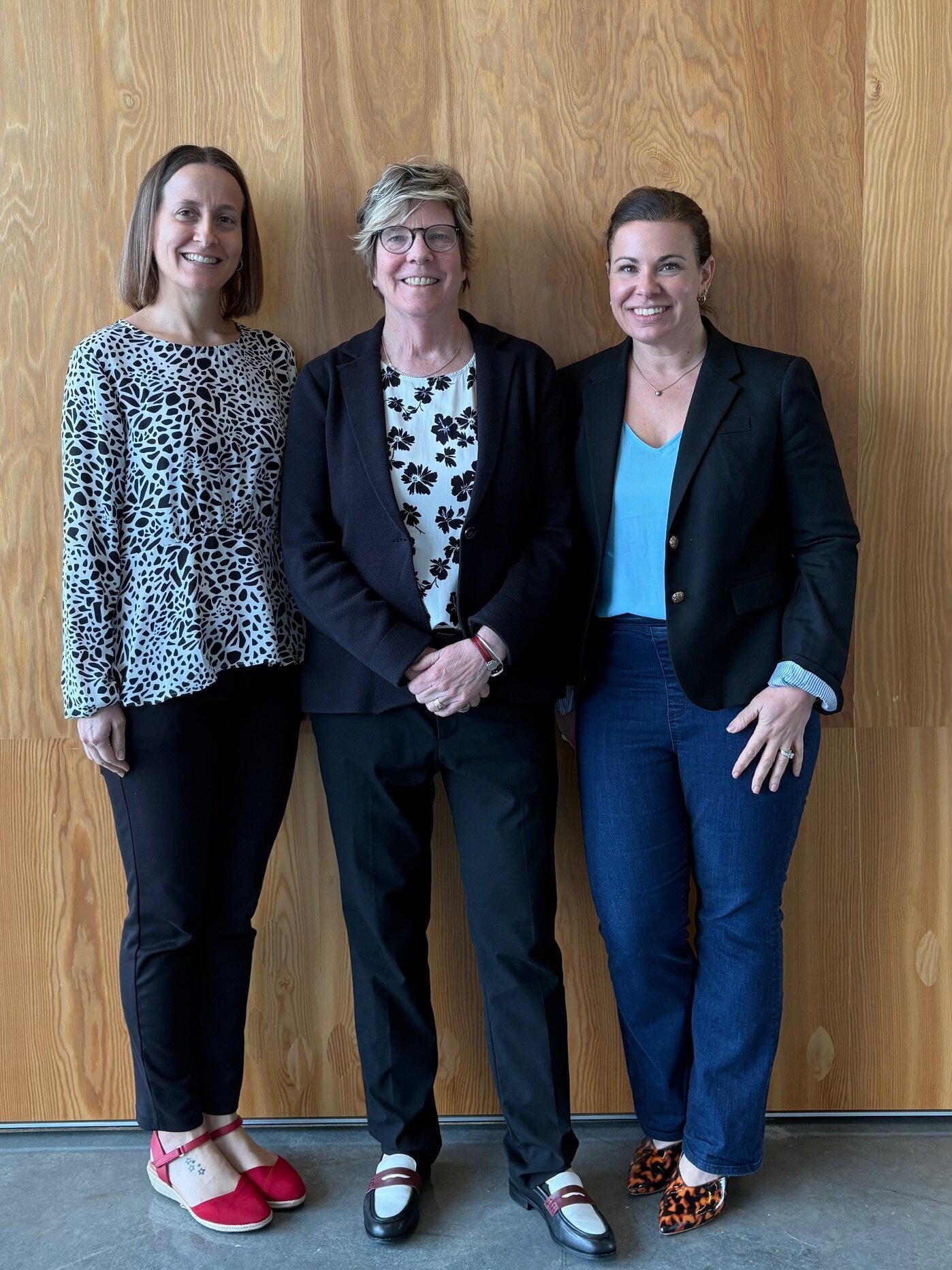
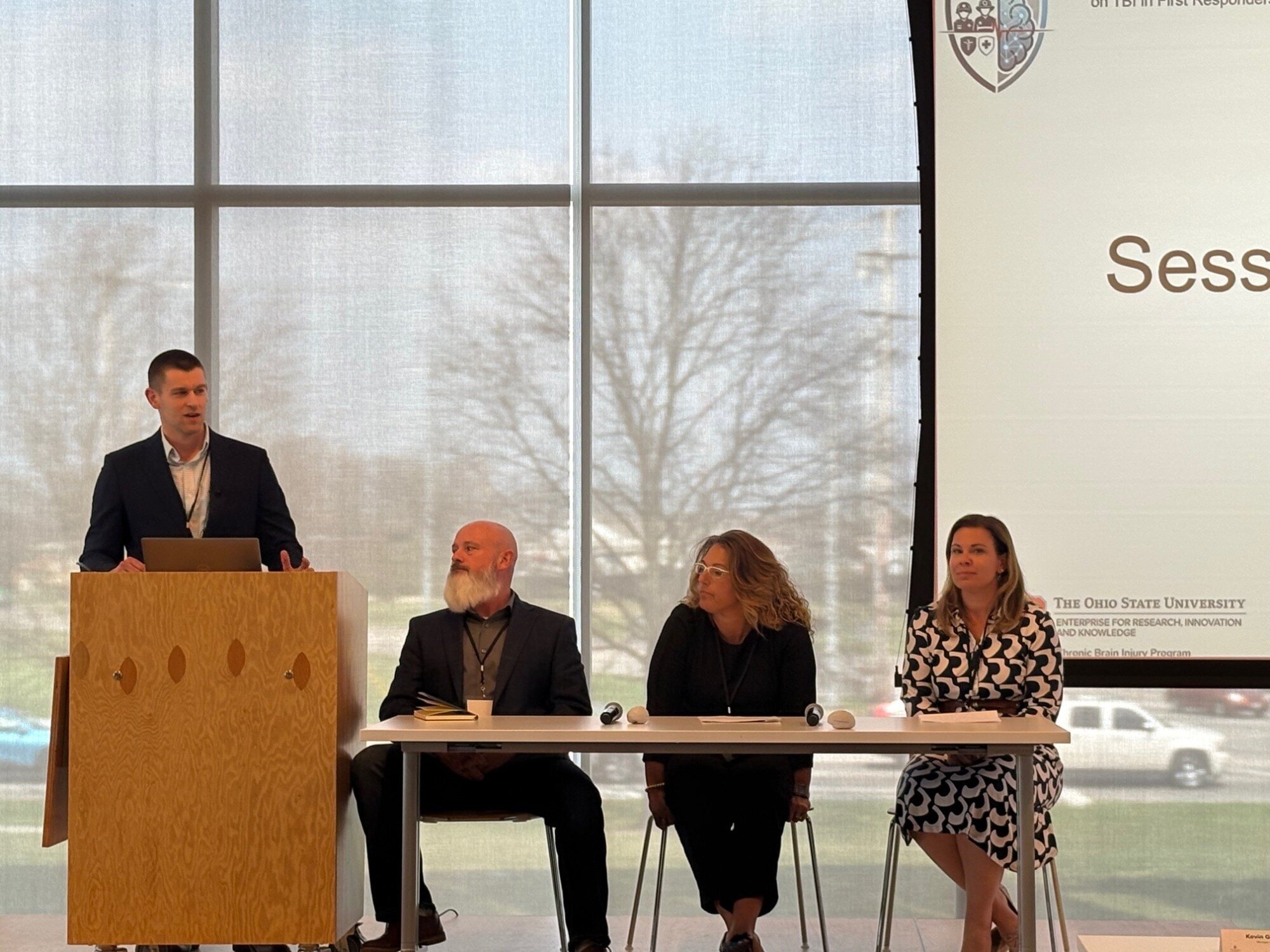
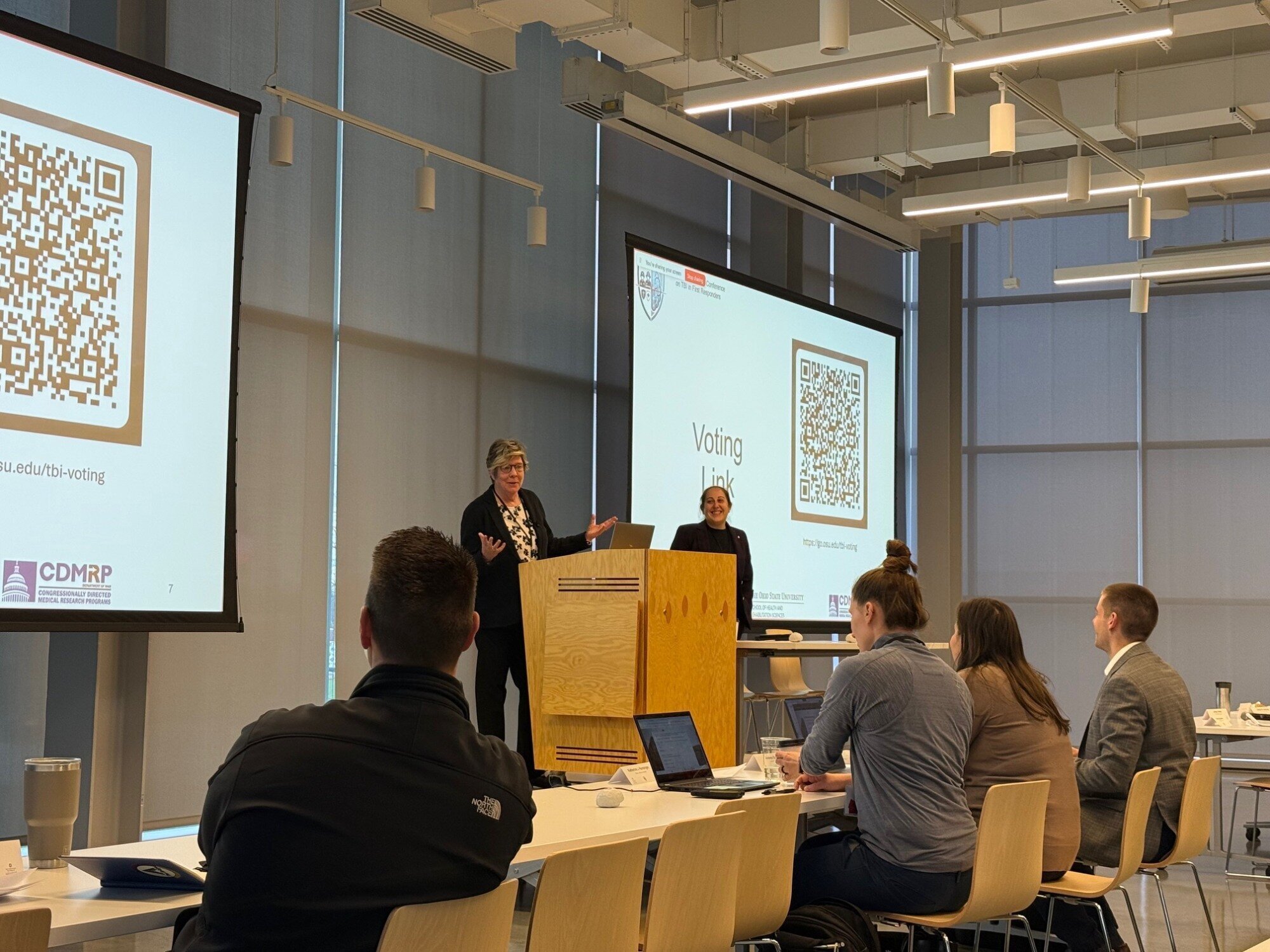
The NASHIA team - Rebeccah Wolfkiel, Jill Daugherty, and Judy Dettmer - hit the ground running at The Ohio State University in late March!
|
|
|
|
We love seeing our staff lead the way in these national conversations! |
|
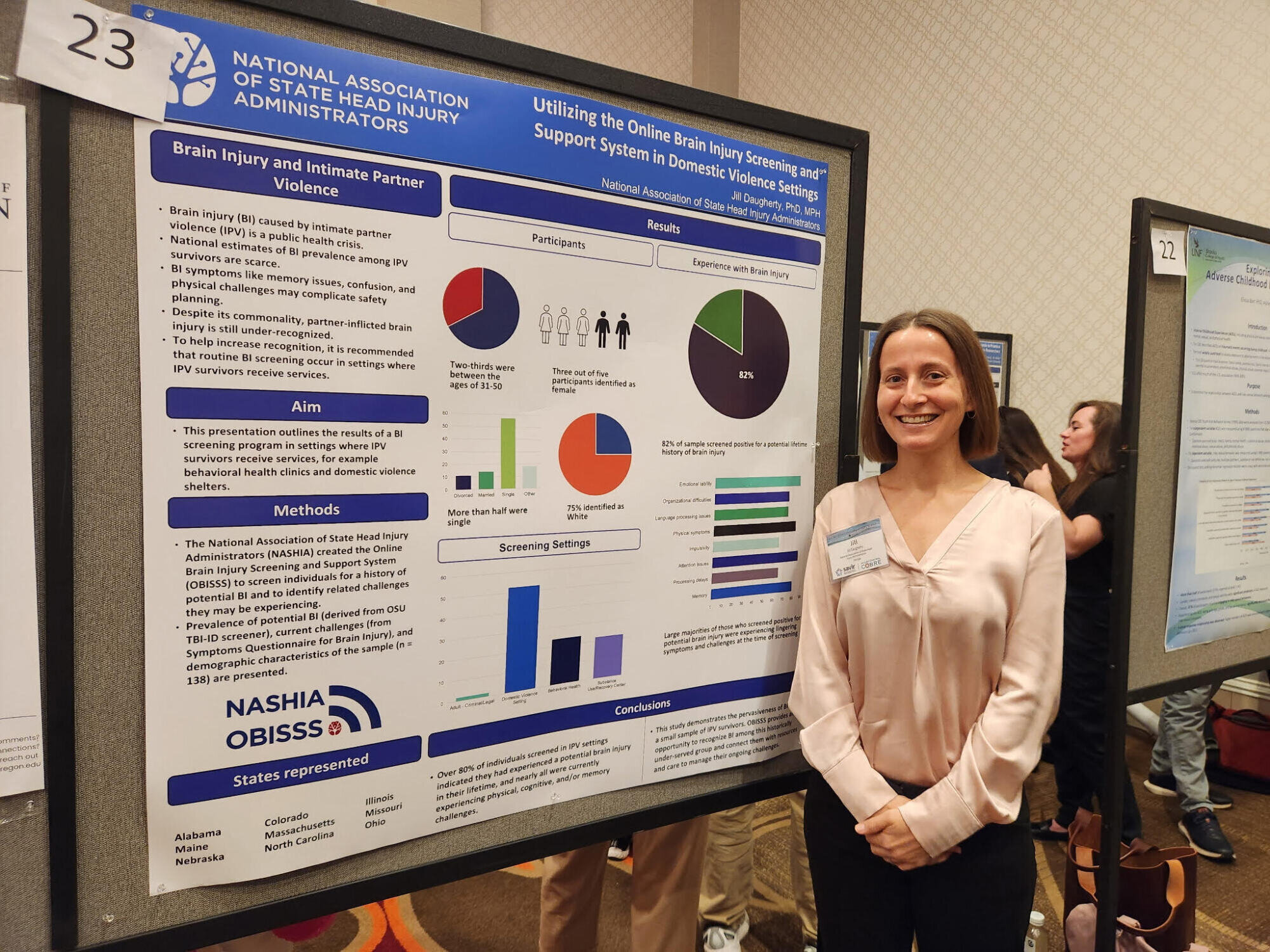
On April 14th, she had the opportunity to present a poster: "Utilizing the Online Brain Injury Screening and Support System (OBISSS) in Domestic Violence Settings." The Goal: To provide a data-driven roadmap for identifying brain injuries in settings where survivors of intimate partner violence (IPV) receive services. |
|
|
|
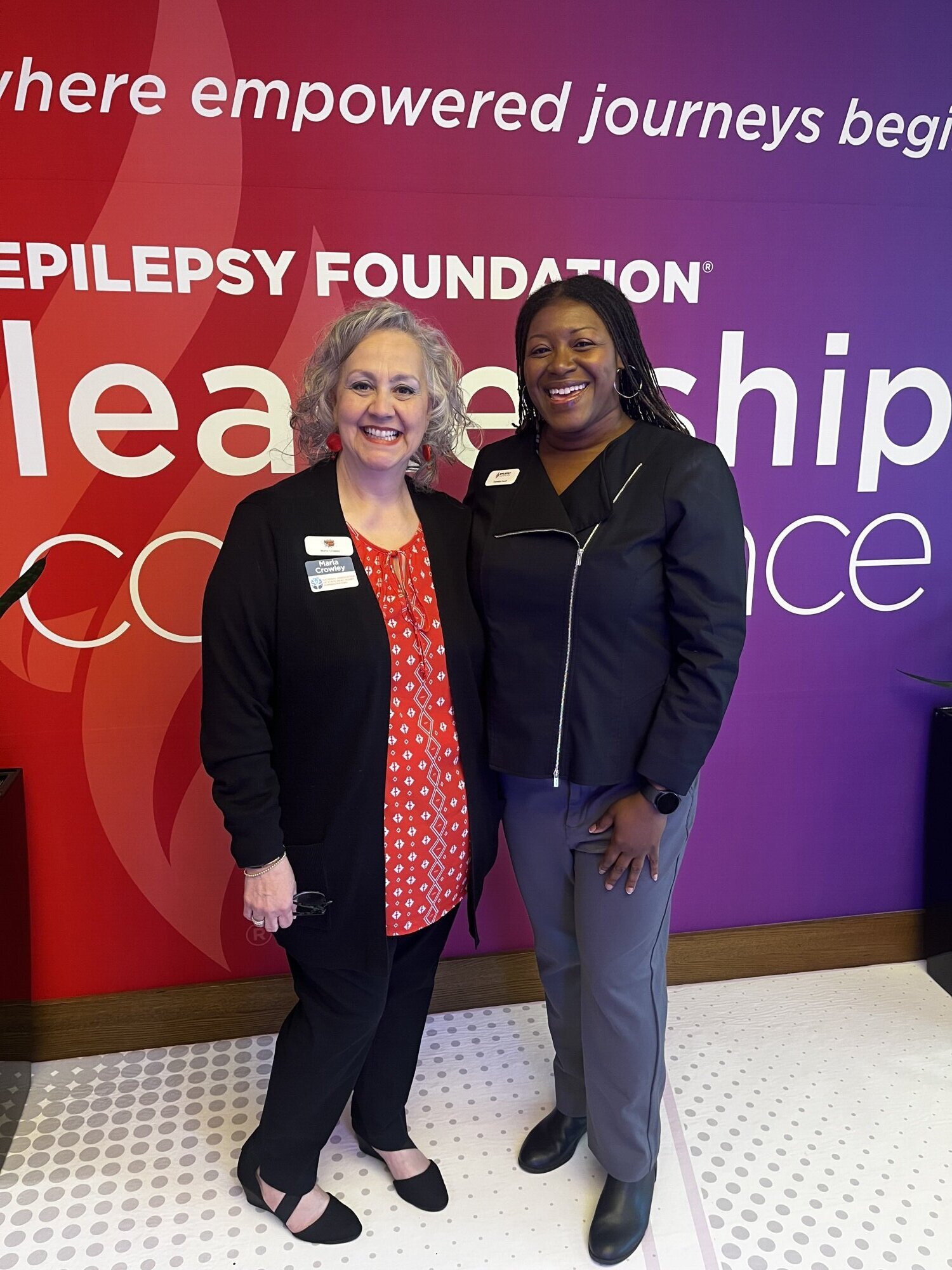
We were thrilled to have our team leading critical conversations at the Epilepsy Foundation of America Conference in Minneapolis last week. Maria Crowley, NASHIA Director of Professional Development, and Zaida Ricker, NASHIA Director of Strategic Partnerships and Policy presented a session on "More Powerful Together: Coalition Building" to help brain injury and epilepsy programs create awareness and better partner with each other.
With Maria onsite and Zaida on Zoom, this dynamic duo is helping to build critical connections aand bridges.
Maria is pictured with Thometta Cozart, Senior Director, Multicultural Outreach and Health Equity, Epilepsy Foundation of America. |
|
|
|
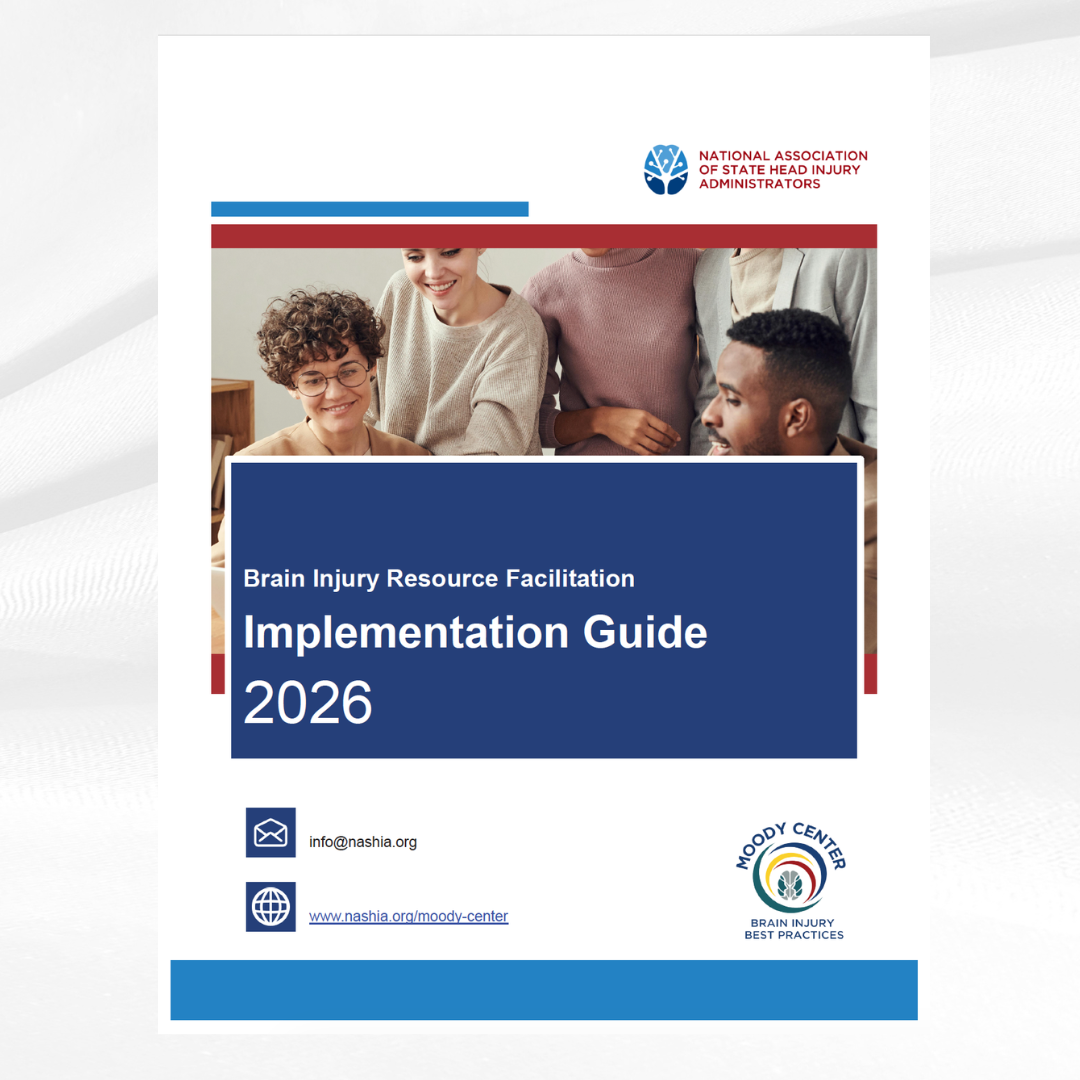
Brain Injury Resource Facilitation Implementation Guide |
|
The wait is over. The Moody Implementation Guide is officially here!
We have some exciting news! Ahead of our upcoming webinar on May 6th, we have officially published the Moody Center for Best Practices Resource Facilitation Implementation Guide.
Why wait for the training to start learning?
We are making the guide available for review now so you can dive, explore, and come to the session ready with your most pressing questions.
How to prepare: Download the Guide: Get your copy at the link below. Review the Roadmap: Look at the standardized components for Brain Injury Resource Facilitation. Register for the Webinar: Join Judy Dettmer and Amanda Tower as they walk through the implementation process in detail.
Webinar Date: May 6, 2026 |
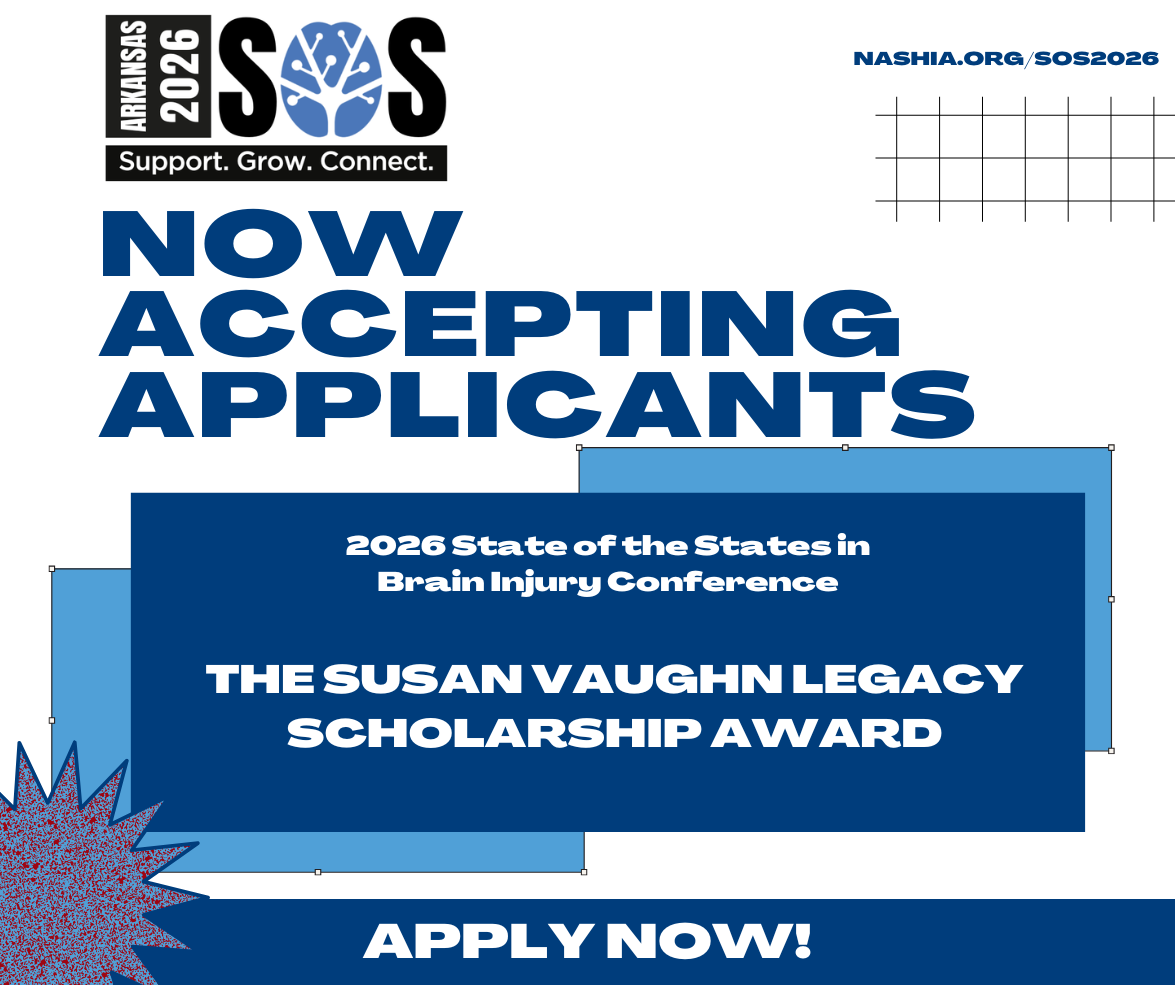
2026 SOS Legacy Scholarship |
|
We know that for many state government employees and advisory council members, professional development funds can be hard to come by. But at NASHIA, we believe your voice is essential to the national conversation.
We are officially OPENING applications for our SOS 2026 Legacy Scholarship!
The Award: Full conference registration fees covered - giving you access to every plenary, breakout session, and networking event in Little Rock this August.
Who Should Apply? 🔹 Current state government employees. 🔹 Members of a state’s brain injury advisory council.
Don't let budget challenges stop you from gaining the tools, data, and connections you need to lead your state’s program.
Application Deadline: May 15, 2026 |
|
|
|
Community of Practice: Integrating Brain Injury into Certified Community Behavioral Health Clinic (CCBHC) Systems
Sessions run Sep 2026 - Feb 2027 |
|
|
Want to build upon your CCBHC efforts? NASHIA can help! We’ve assembled technical assistance packages, from foundational to fully customized support, to meet your needs.
Tier 1: Foundational/Group-Based Support Baseline for action and building shared understanding.
Tier 2: Blended Group and State-Specific Support Intermediate option supporting movement from exploration to implementation.
Tier 3: Intensive/Fully Customized State Support Full-service option to drive systems change and long-term sustainability. |
|
|
The Moody Implementation Guide: Standardizing Brain Injury Resource Facilitation
May 6, 2026 1:00pm - 2:00pm ET |
|
|
Brain Injury Resource Facilitation is a structured intervention that connects individuals with brain injury to essential resources to enhance independence and improve outcomes, using a flexible, person-centered approach.
Join us for a dynamic discussion of BIRF and the new Resource Facilitation Implementation Guide, geared towards addressing these challenges and providing a map to follow for best practice in this area. Funded by the Moody Endowment and created collaboratively through NASHIA, this guide will be a current and future tool for consistent service delivery and data collection/utilization for rationale to sustain these supports. |
|
|
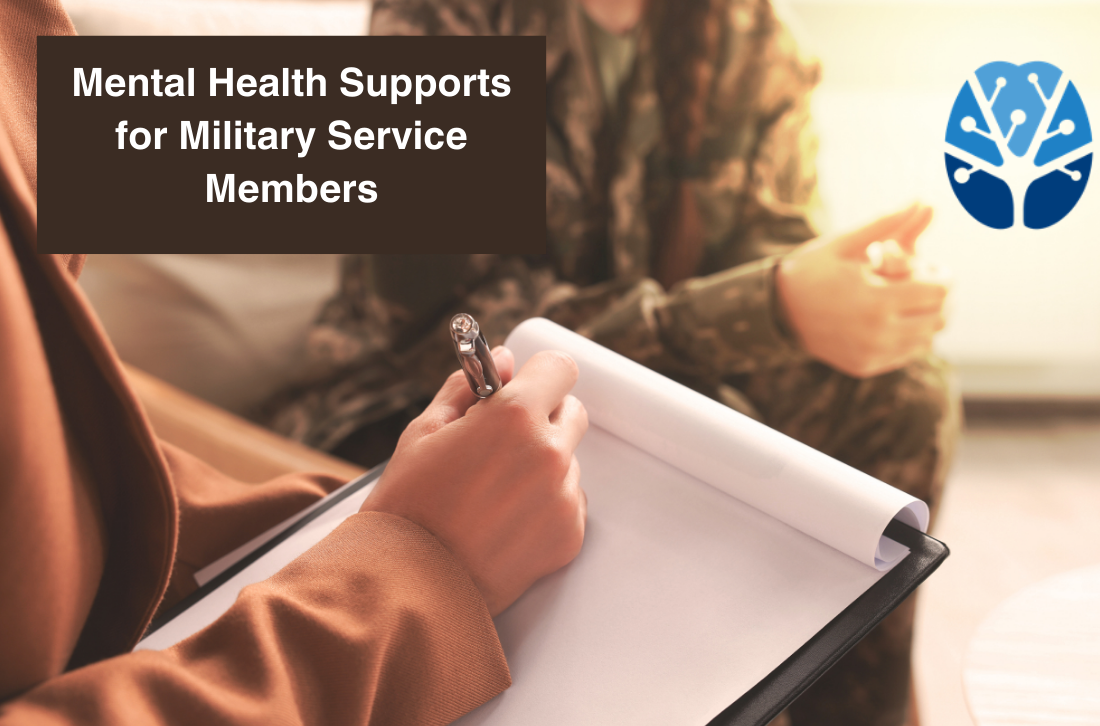
Mental Health Supports for Military Service Members
June 17, 2026 1:00pm - 2:30pm ET |
|
|
An estimated 17–23% of U.S. service members and veterans experience a traumatic brain injury, and many also face co-occurring mental health challenges such as post-traumatic stress disorder, depression, and suicide risk—highlighting a critical need for coordinated, effective systems of care.
This webinar explores innovative, collaborative approaches to advancing mental health and brain injury supports for service members, veterans, and their families. |
|
|
Beyond Capacity: Neuro-Ethical Decision Making in Brain Injury Across Systems of Care
July 15, 2026 1:00pm - 3:00pm ET |
|
|
This interactive workshop examines the ethical implications of supporting individuals living with acquired brain injury (ABI) and other neurocognitive disorders across systems of care.
Participants will explore neuro-ethical decision making — the process of making ethical choices that recognize how brain injury can affect cognition, behavior, emotional regulation, and capacity, while still honoring the person’s rights, values, and autonomy. |
|
|
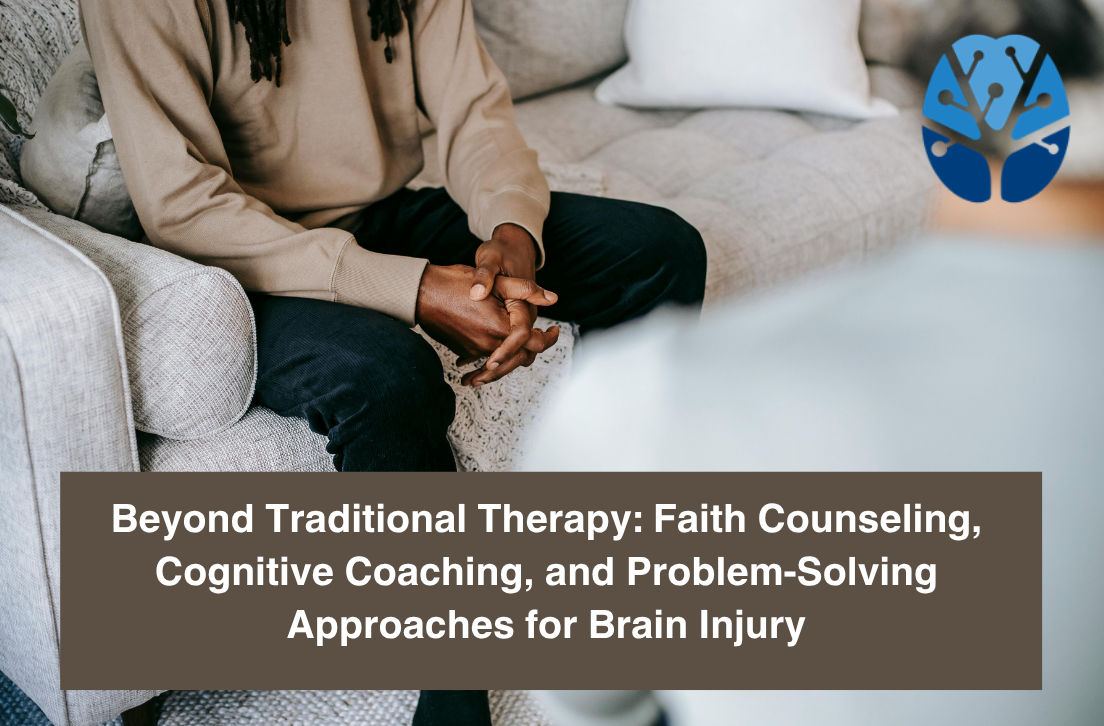
Beyond Traditional Therapy: Faith Counseling, Cognitive Coaching, and Problem-Solving Approaches for Brain Injury
July 29, 2026 12:00pm - 1:30pm ET |
|
|
Individuals living with brain injury benefit from supportive approaches that extend beyond traditional clinical counseling.
This session explores alternative intervention strategies that promote resilience, self-management, and community participation: Faith-based counseling Wellness and cognitive health coaching through speech-language pathology (SLP) Supports, and innovative problem-solving interventions
|
|
|
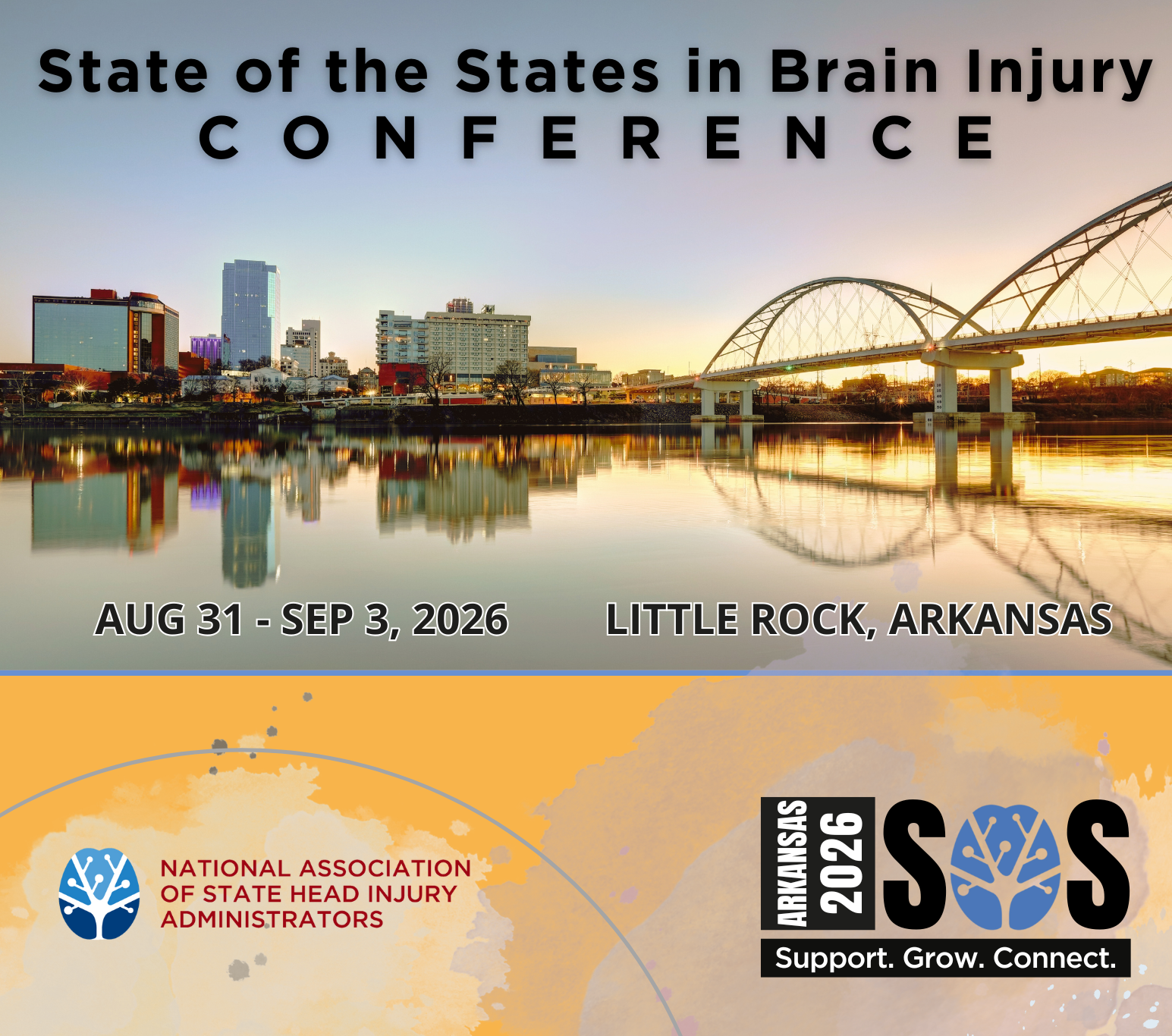
State of the States in Brain Injury Conference
August 31 - September 3, 2026 Little Rock, Arkansas |
|
|
2026's SOS will be the 37th consecutive year that NASHIA has hosted the conference.
SOS continues to bring state leaders together, alongside brain injury advocacy organizations, partners, researchers, and providers.
This year’s conference will highlight work in the Criminal Legal System (CLS), Clinical Practices (CP), Behavioral Health (BH), and Medicaid/Long-Term Services & Supports as content tracks, as well as bring content applicable to the whole brain injury community. |
|
|
Strong Infrastructure Components for Brain Injury (BI): State Self-Assessment Tool & Implementation Guide |
|
|
The implementation guide, Maximizing Use of the State Self-Assessment Tool: Strong Infrastructure Components for Brain Injury (BI), developed in 2025, provides a structured framework to help you apply the tool across programs, policies, systems, and recommendations, and is designed to increase effective utilization of the self-assessment tool. |
|
|
Non-Medical Drivers of Health and Brain Injury - A Fact Sheet for Providers |
|
|
Individuals with a brain injury or any other chronic condition possess a lifetime of experiences. These past experiences and the present environment can significantly affect how they cope with their brain injury and influence their overall health. Collectively, these experiences and environments are known as non-medical drivers of health.
A recent subgroup from the Moody Galveston Conference developed a fact sheet aimed at helping healthcare providers adopt a more holistic approach to treatment. |
|
|
Map of TBI Death Rates, 2023 |
|
|
This map shows state-level rates of traumatic brain injury (TBI)-related deaths in 2023. NASHIA members can use these data to raise awareness of the burden of TBI in their state, inform prevention and service planning, strengthen funding proposals, and compare outcomes across states. Understanding where TBI deaths are highest helps guide strategies to improve brain injury prevention, care, and supports for survivors and families. |
|
|
Caregiver AI Prize Challenge |
|
|
|
Millions of caregivers help loved ones stay safe and independent at home, and care workers across the country work every day to support them. The Administration for Community Living Caregiver AI Prize Challenge is calling on innovators to use AI to: |
|
|
|
Help build solutions that improve care for everyone. |
States planning on expanding Medicaid home and community-based services (HCBS), and/or changing approaches and strategies to be more responsive to CMS guidance, stakeholder input, and state priorities may benefit from technical assistance (TA).
CMS has contracted with New Editions Consulting, Inc., to offer free TA to states on the various HCBS authorities available, 1915(c), (i), (j), and (k), and how to prepare your submissions to CMS. NASHIA is a TA partner to support brain injury-related requests.
TA is available for HCBS topics including, but not limited to:
💡 expanding mental health and brain injury services under waivers,
💡 self-directed services,
💡 supported employment,
💡 individual budgeting,
💡 needs assessment,
💡 positive behavioral supports,
💡 community integration,
💡 mortality and morbidity data collection and analysis,
💡 person-centered service planning, and
💡 other areas as needed by states. |
|
You received this email because you subscribed to our list. You can unsubscribe at any time. PO Box 59165 Potomac, MD 20859 USA |
|
|
|