|
|
Supporting Org. Spotlight |
|
|
Welcome to NASHIA Connections!
The monthly newsletter for everything NASHIA.
You are receiving this newsletter because you are a valued partner in the brain injury community and with NASHIA.
This issue includes a list of our upcoming 2026 professional development opportunities, lots of updates from our valued partners, March highlights, several new resources, and an introduction to NASHIA Supporting Organization Member Brain Injury Association of North Carolina! |
|
|
|
|
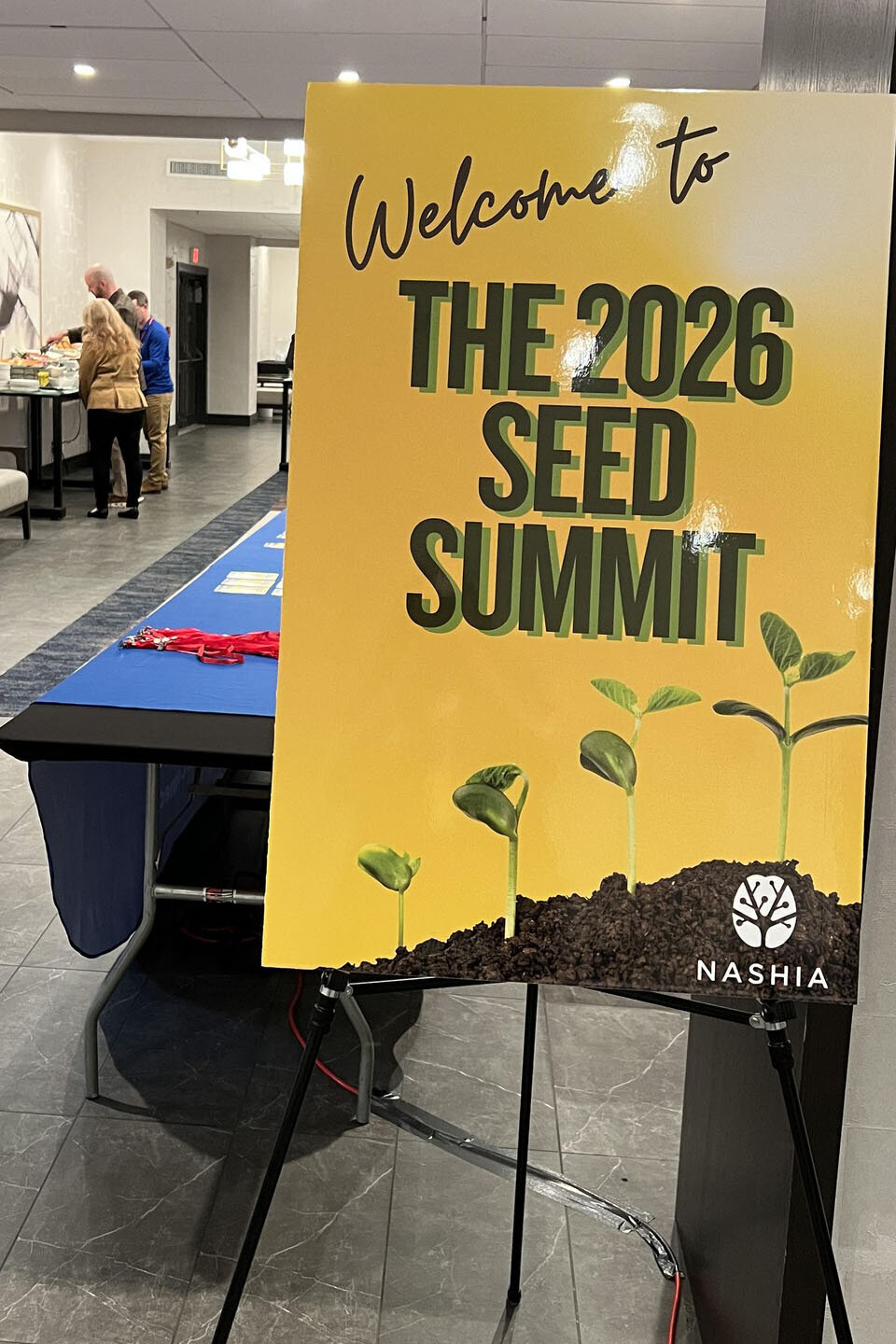
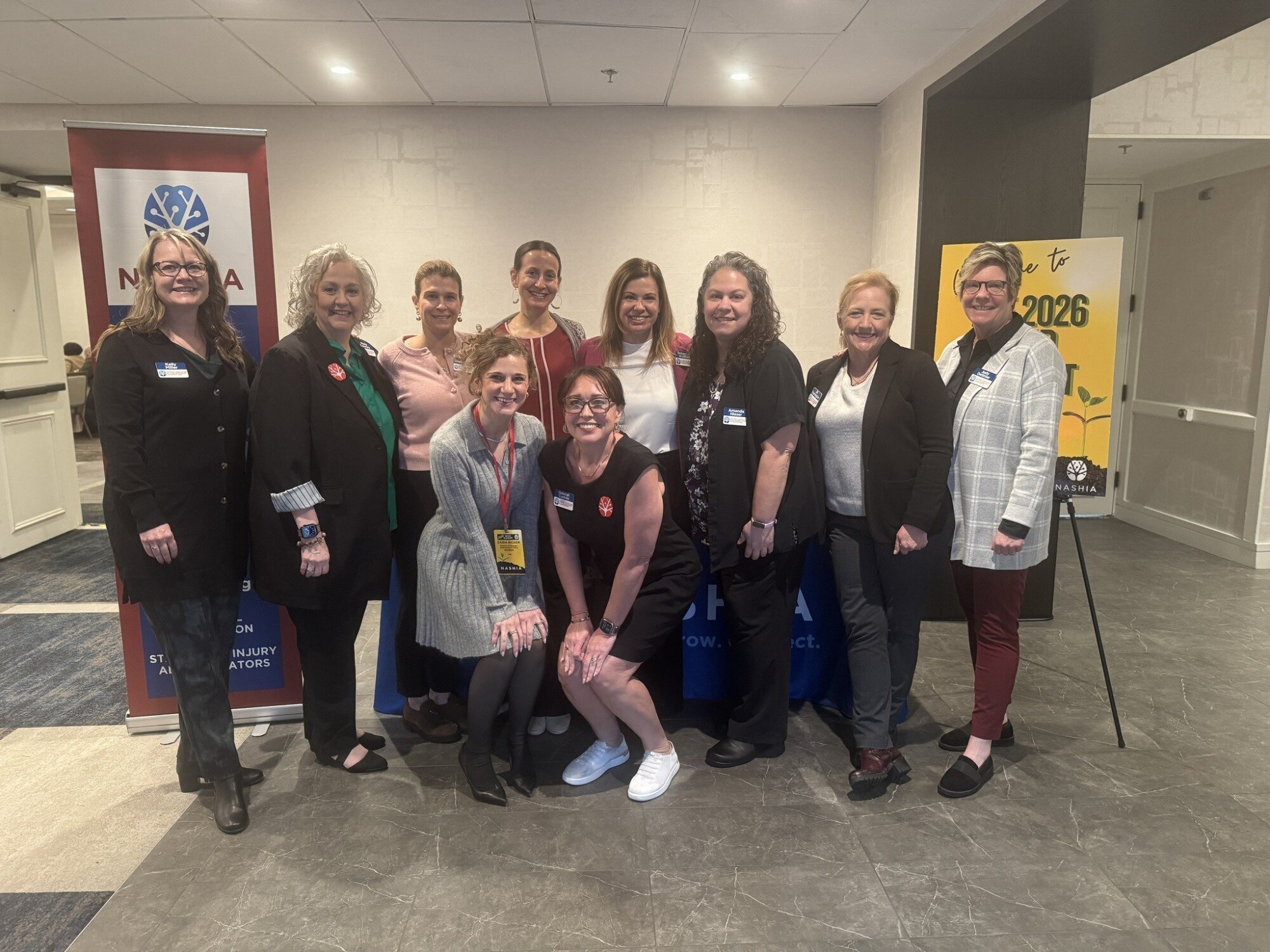
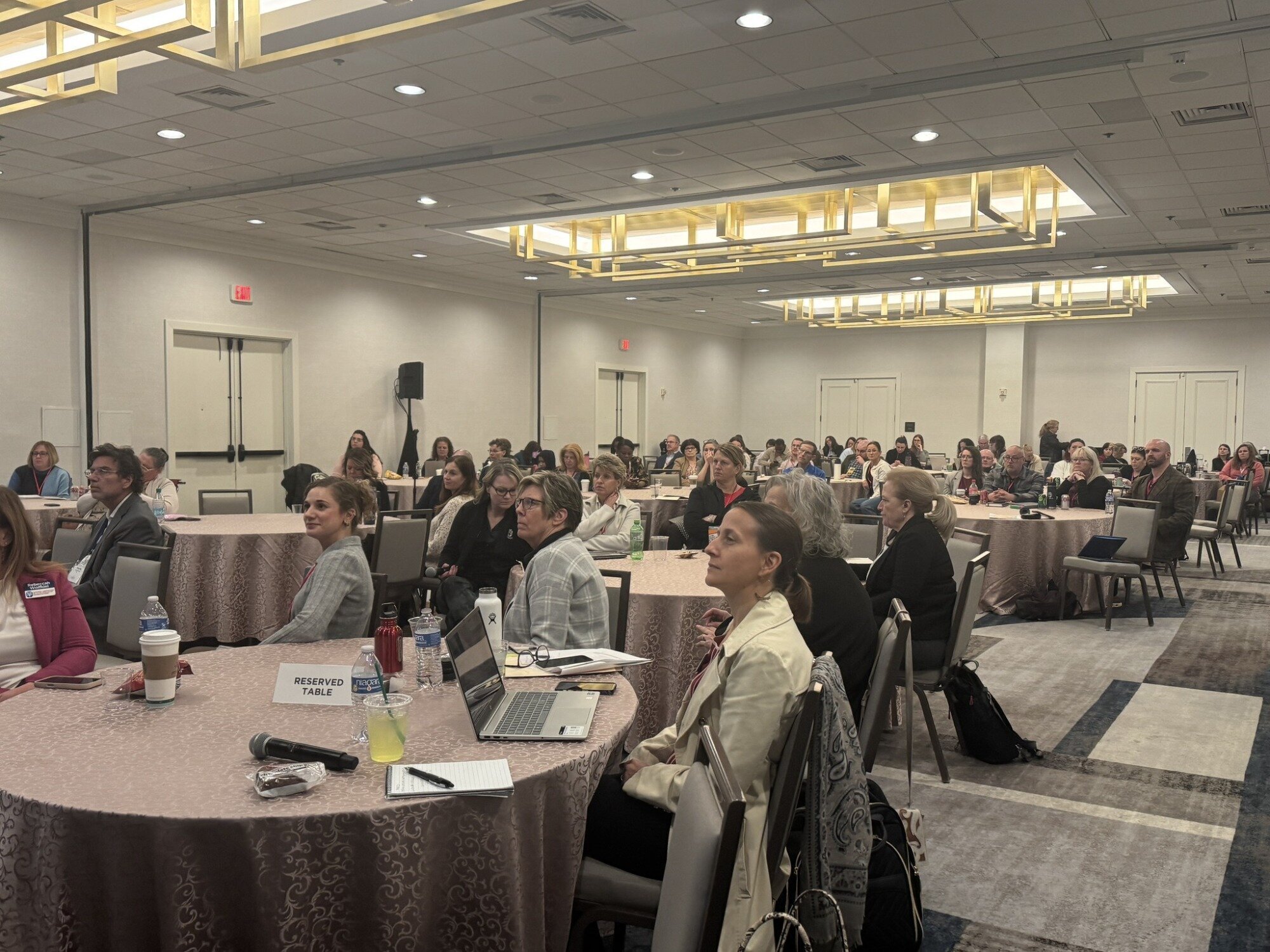
Thank you to everyone who joined us for SEED Summit 2026! Our favorite thing to do is to be with our community in-person to grow, innovate, and connect.
Our hearts and minds are full with all of the imagination and ideas generated in collaborative sessions, and we are so grateful to our expert presenters and our energetic attendees!
We can't wait to come together with you again at the next one. |
|
|
|
|
|
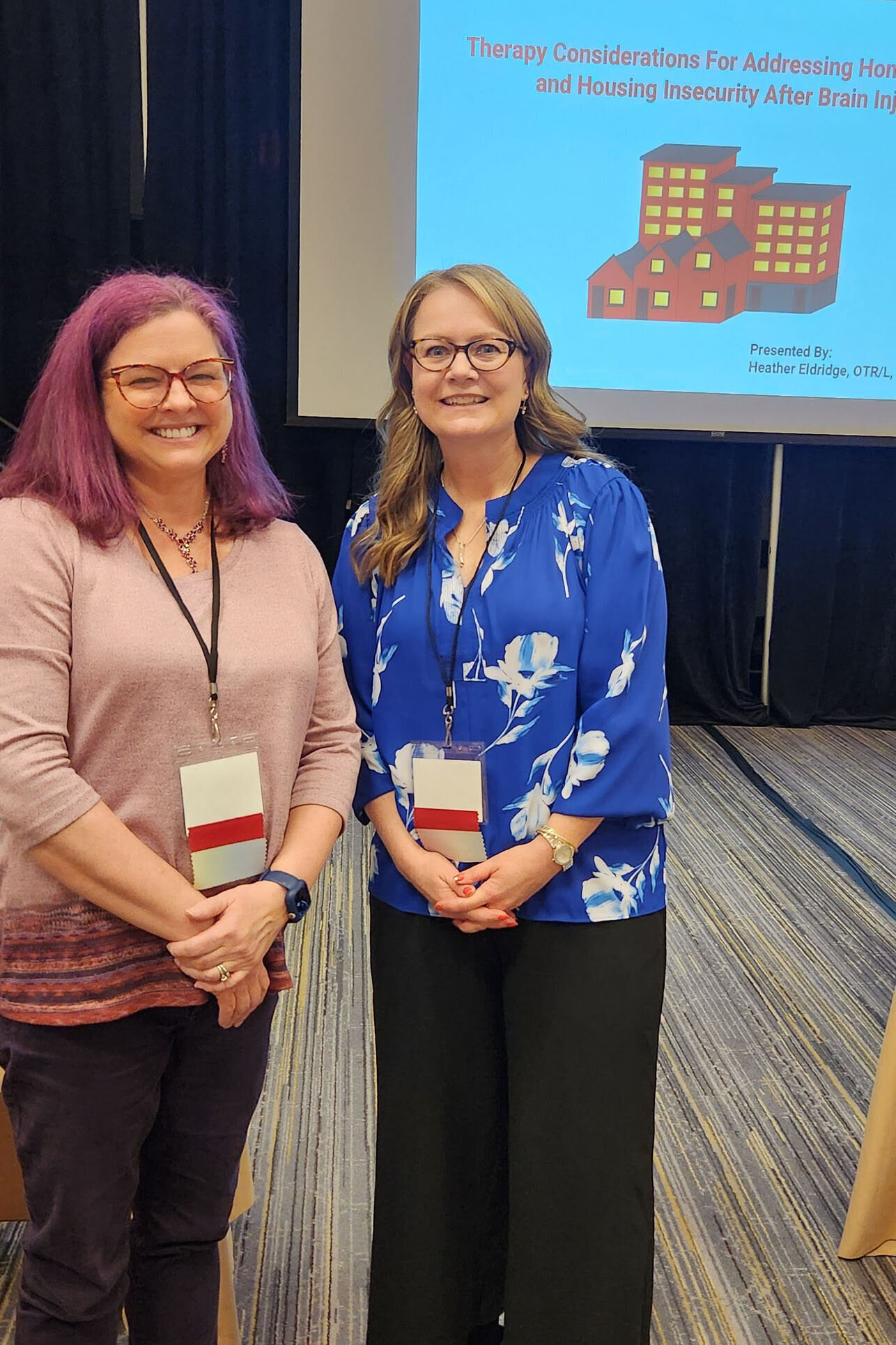
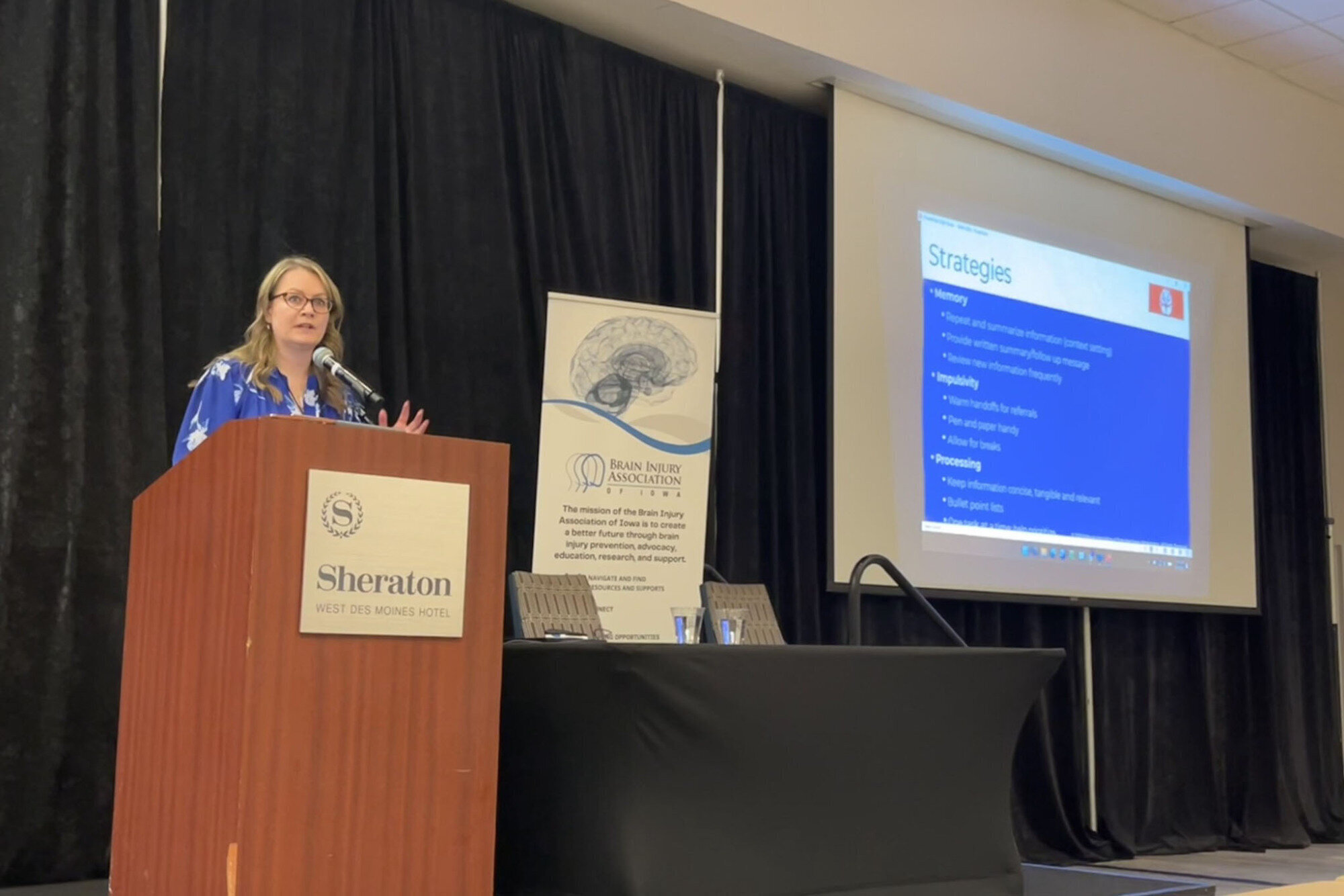
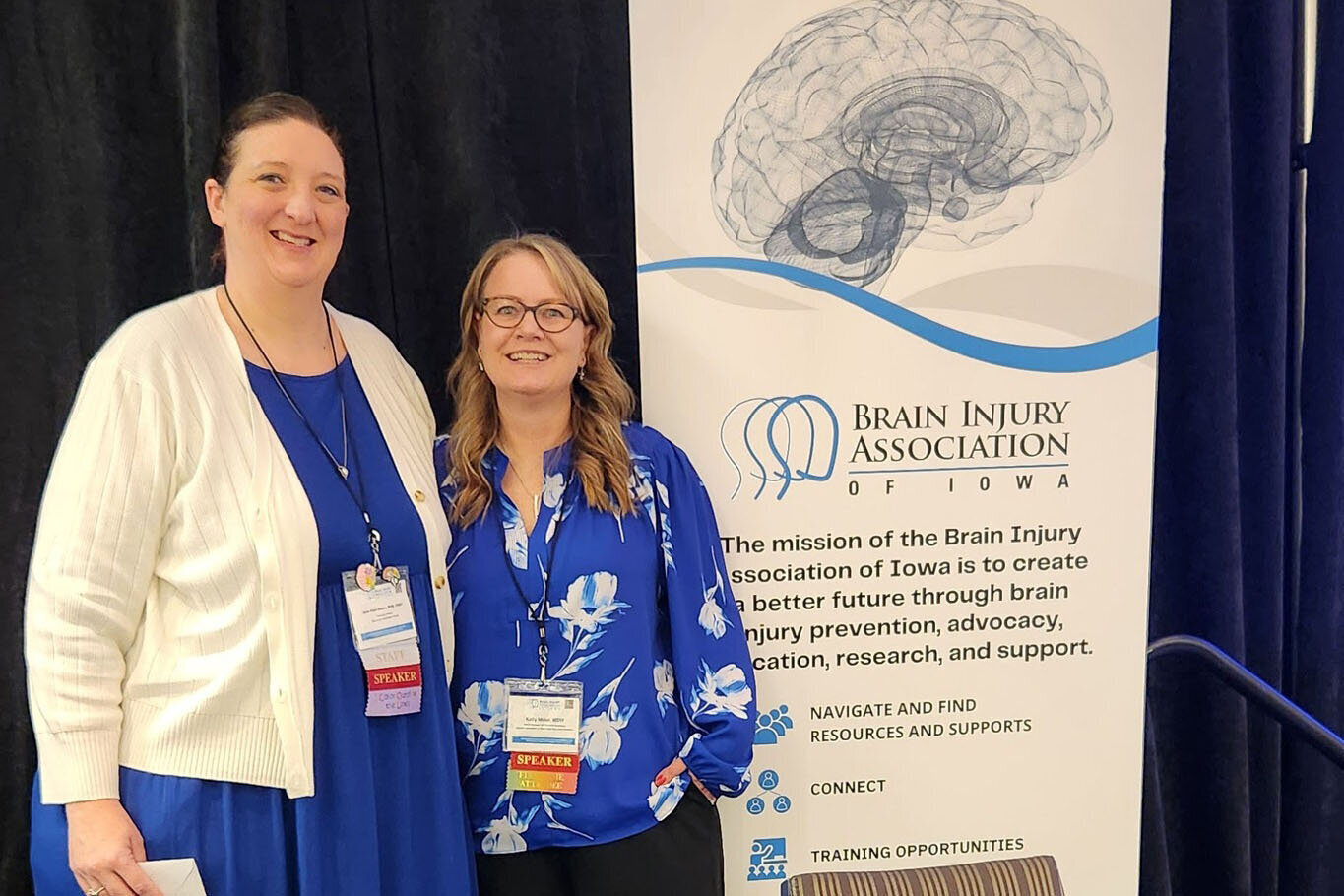
NASHIA's Senior Manager for Technical Assistance Kelly Miller was honored to present at Iowa's 34th Annual Best Practices in Brain Injury Services Conference earlier in March.
This year’s theme was “The Playbook for Change: From Challenge to Triumph,” and Kelly was featured in TWO sessions!
|
|
|
|
The first session, "From Policy to Practice: The State of Brain Injury Nationwide and in Iowa," was co-presented with June Klein-Bacon of the Brain Injury Association of Iowa, and Tom Brown of Brookhaven NeuroRehabilitation Network, and explored how federal and state policy advocacy translates into real-world impact for people with brain injury.
Her second session, a solo presentation of "A Fractured Path: Closing the Gaps in Brain Injury Support Across Systems," Kelly shared how brain injury is a chronic condition that accompanies individuals as they navigate the world. This session highlighted universal strategies for integrating brain-injury-informed approaches across systems with well-known brain-injury prevalence. Examples of real-world initiatives were provided, along with resources to communicate the importance of this issue to your partners.
|
|
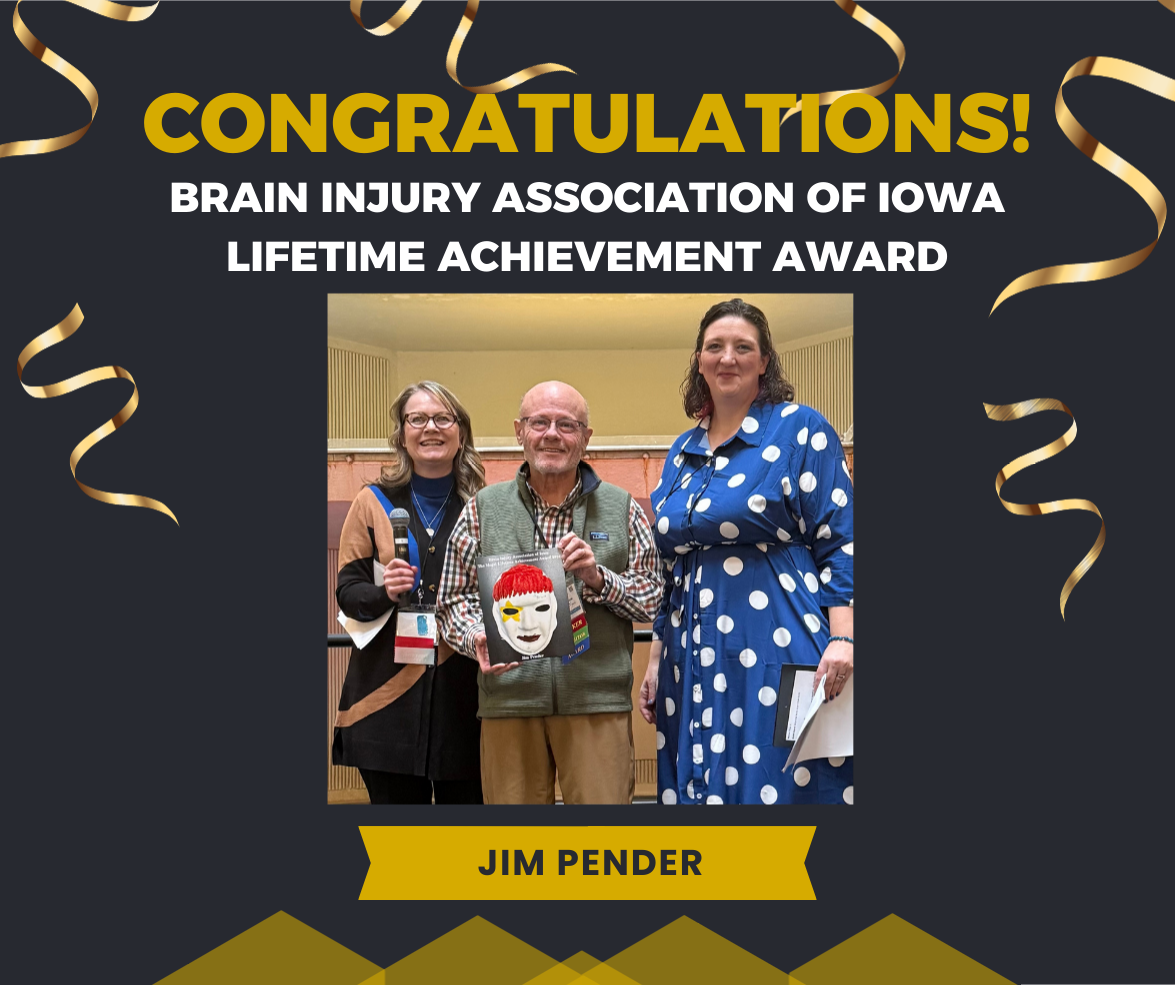
We also want to congratulate our friend, colleague, and NASHIA Member Jim Pender of the Iowa Department of Health and Human Services, on receiving the Brain Injury Association of Iowa's Lifetime Achievement Award!!
NASHIA is very grateful for our long standing partnership with Jim and Iowa, and for his dedication to the brain injury community, and we know this accolade is very well deserved! |
|
|
|
|
Kelly Miller nominated Jim for the award, and was able to present it to him at the conference.
Way to go, Jim! Thank you for all that you do to improve the lives of those living with brain injury - we have endless appreciation for you and the contributions you make. |
|
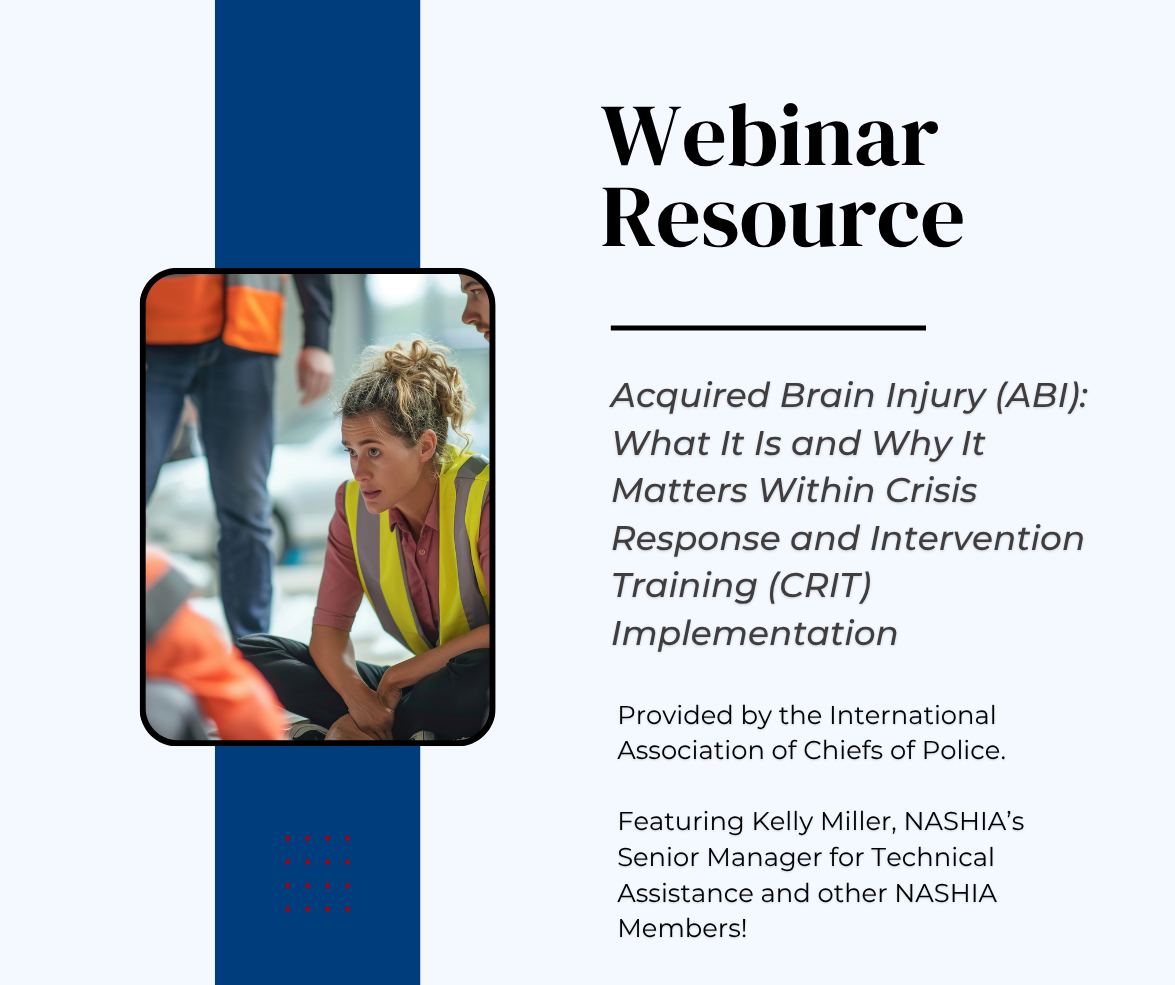
This 90-minute webinar provides key information about ABI, including common indicators and evidence-informed communication techniques to help officers effectively respond to individuals with ABIs in crisis. A panel of subject matter experts share strategies tailored for ABI crisis de-escalation and for enhancing safety for both officers and community members. The session also highlights the growing awareness of ABI within the policing profession itself. It covers considerations for officer wellness, support, and return‑to‑duty accommodations.
Some of the amazing presenters include: Kelly Miller, NASHIA Senior Manager for Technical Assistance Russha Knauer, Colorado MINDSOURCE, NASHIA Member Anastasia Edmonston, Maryland Behavioral Health Administration, NASHIA Member Scott Pokorny, North Carolina Dept of Health and Human Services, NASHIA Member
|
|
|
|
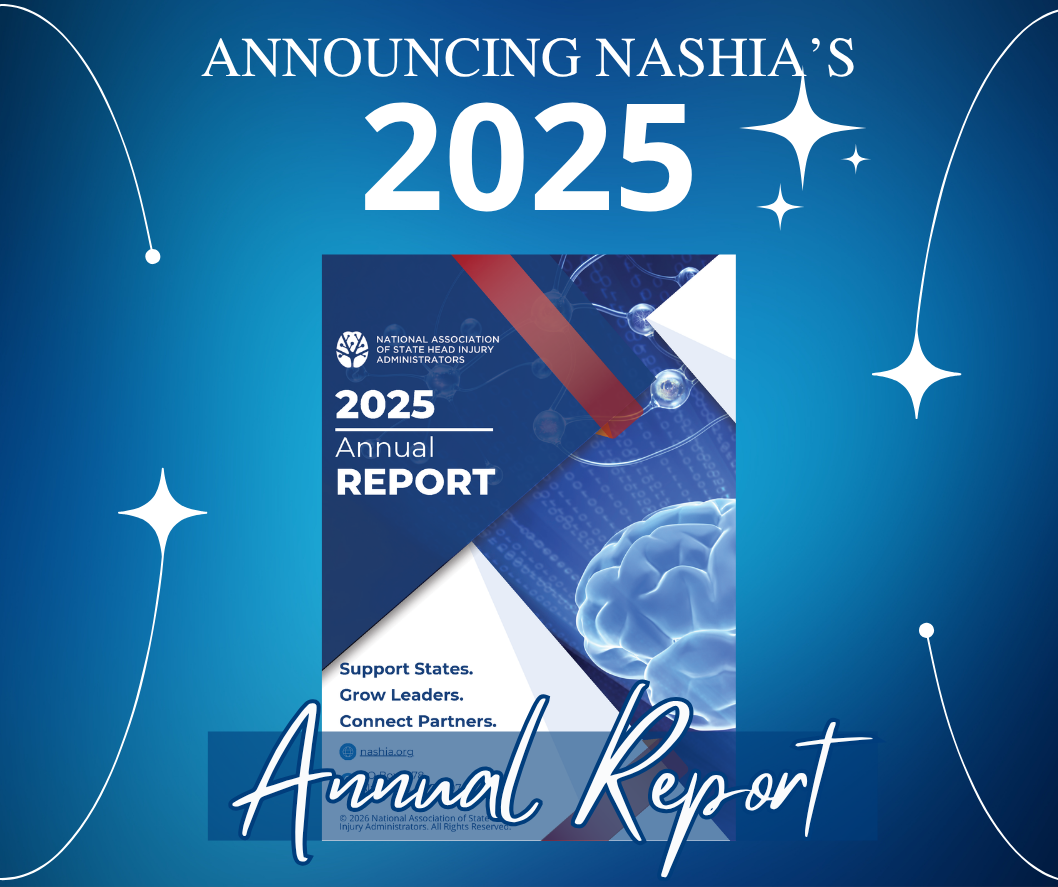
We’re excited to share our Annual Report, a comprehensive look at the work, impact, and progress we've made over the past year. From expanding training and technical assistance to deepening partnerships and advancing resources, this report highlights the achievements and forward momentum of NASHIA, driven by all of you in our community. |
|
|
|
Inside you’ll find: Key data and outcomes Program highlights and success stories Strategic initiatives and focus areas Collaborative efforts that strengthen systems of care
And all of this happens because of the support you continue to give.
This report is not just our story, it's YOURS too! |
|
New Learning Opportunity: Integrating Brain Injury into CCBHC Systems!
Certified Community Behavioral Health Clinics (CCBHCs) are transforming how behavioral health and substance use services are delivered — offering comprehensive, coordinated care that’s accessible to all.
But brain injury challenges often go unrecognized in these settings, even though they frequently overlap with behavioral health needs. That’s why NASHIA is offering a Community of Practice focused on supporting stronger partnerships between brain injury programs and CCBHC systems.
This learning series will help states and providers: Build shared understanding of brain injury screening and supports within CCBHCs Improve collaboration between behavioral health leaders and brain injury administrators Share strategies for cross-training, referrals, and sustained partnerships Identify state-level solutions that meet the needs of people with both brain injury and behavioral health challenges
This Community of Practice starts May 2026. |
|
|
|
NASHIA staff members will join a panel of experts for this webinar introducing the brand new Brain Injury Peer Support Curriculum, developed by NASHIA and ROTAC! |
|
|
|
This curriculum was developed specifically for peer support professionals who work in behavioral health. This session will provide an overview of the curriculum’s development, a guided walk-through of the full training package—including the slide deck, facilitator guide, and recorded materials—and practical guidance for implementing the training in real-world peer support settings.
The webinar will conclude with a panel discussion featuring program staff from NASHIA, the Utah Association of Peer Support Specialists, and the North Dakota Brain Injury Network (NDBIN). Panelists will share insights from piloting the curriculum, including key lessons learned, common challenges, and strategies for successful delivery.
Whether you are new to brain injury–informed training or looking to enhance your existing peer education efforts, this session will offer actionable insights to help you determine how this curriculum can support and strengthen your program. |
|
|
|
Community of Practice: Integrating Brain Injury into Certified Community Behavioral Health Clinic (CCBHC) Systems
Sessions run May - December 2026 |
|
|
Want to build upon your CCBHC efforts? NASHIA can help! We’ve assembled technical assistance packages, from foundational to fully customized support, to meet your needs.
Tier 1: Foundational/Group-Based Support Baseline for action and building shared understanding.
Tier 2: Blended Group and State-Specific Support Intermediate option supporting movement from exploration to implementation.
Tier 3: Intensive/Fully Customized State Support Full-service option to drive systems change and long-term sustainability. |
|
|
The Moody Implementation Guide: Standardizing Brain Injury Resource Facilitation
May 6, 2026 1:00pm - 2:00pm ET |
|
|
Brain Injury Resource Facilitation is a structured intervention that connects individuals with brain injury to essential resources to enhance independence and improve outcomes, using a flexible, person-centered approach.
Join us for a dynamic discussion of BIRF and the new Resource Facilitation Implementation Guide, geared towards addressing these challenges and providing a map to follow for best practice in this area. Funded by the Moody Endowment and created collaboratively through NASHIA, this guide will be a current and future tool for consistent service delivery and data collection/utilization for rationale to sustain these supports. |
|
|
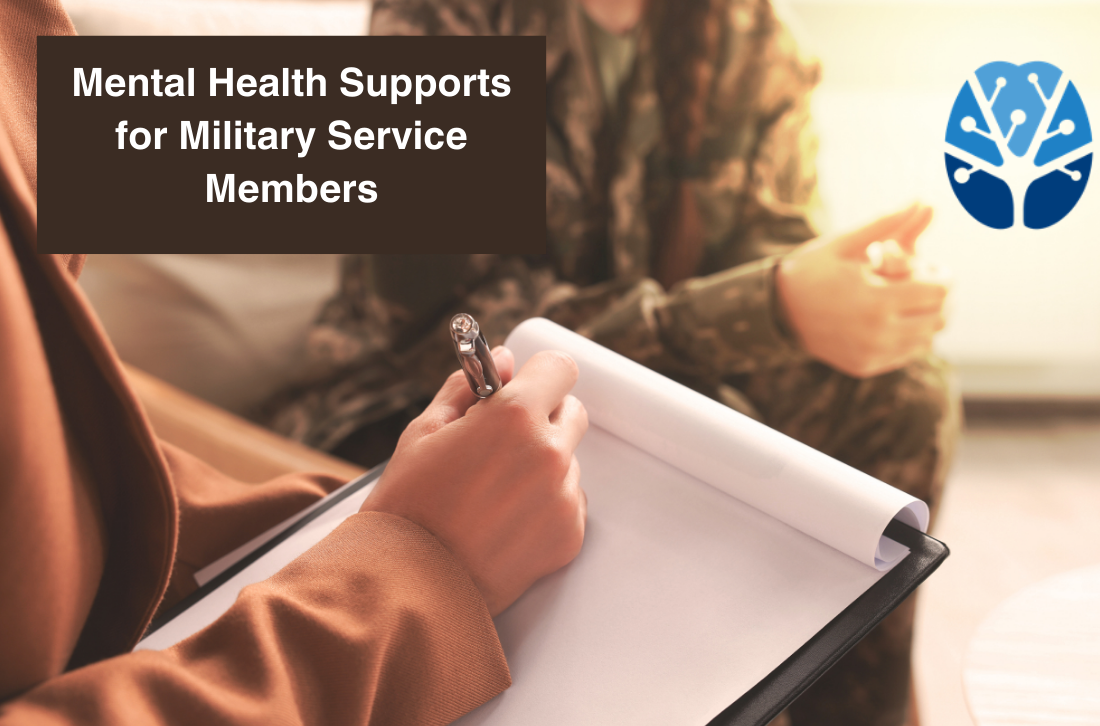
Mental Health Supports for Military Service Members
June 17, 2026 1:00pm - 2:30pm ET
Save the date! Registration coming soon! |
|
|
An estimated 17–23% of U.S. service members and veterans experience a traumatic brain injury, and many also face co-occurring mental health challenges such as post-traumatic stress disorder, depression, and suicide risk—highlighting a critical need for coordinated, effective systems of care.
This webinar explores innovative, collaborative approaches to advancing mental health and brain injury supports for service members, veterans, and their families. |
|
|
Beyond Capacity: Neuro-Ethical Decision Making in Brain Injury Across Systems of Care
July 15, 2026 1:00pm - 3:00pm ET
Save the date! Registration coming soon! |
|
|
This interactive workshop examines the ethical implications of supporting individuals living with acquired brain injury (ABI) and other neurocognitive disorders across systems of care.
Participants will explore neuro-ethical decision making — the process of making ethical choices that recognize how brain injury can affect cognition, behavior, emotional regulation, and capacity, while still honoring the person’s rights, values, and autonomy. |
|
|
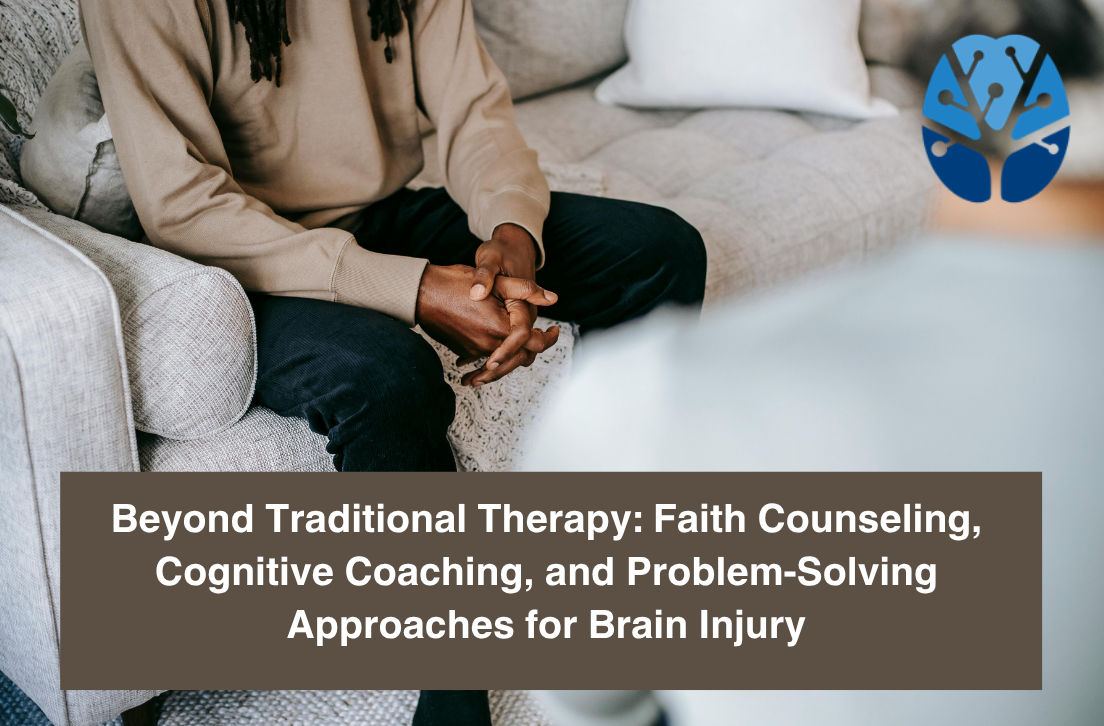
Beyond Traditional Therapy: Faith Counseling, Cognitive Coaching, and Problem-Solving Approaches for Brain Injury
July 29, 2026 12:00pm - 1:30pm ET
Save the date! Registration coming soon! |
|
|
Individuals living with brain injury benefit from supportive approaches that extend beyond traditional clinical counseling.
This session explores alternative intervention strategies that promote resilience, self-management, and community participation: Faith-based counseling Wellness and cognitive health coaching through speech-language pathology (SLP) Supports, and innovative problem-solving interventions
|
|
|
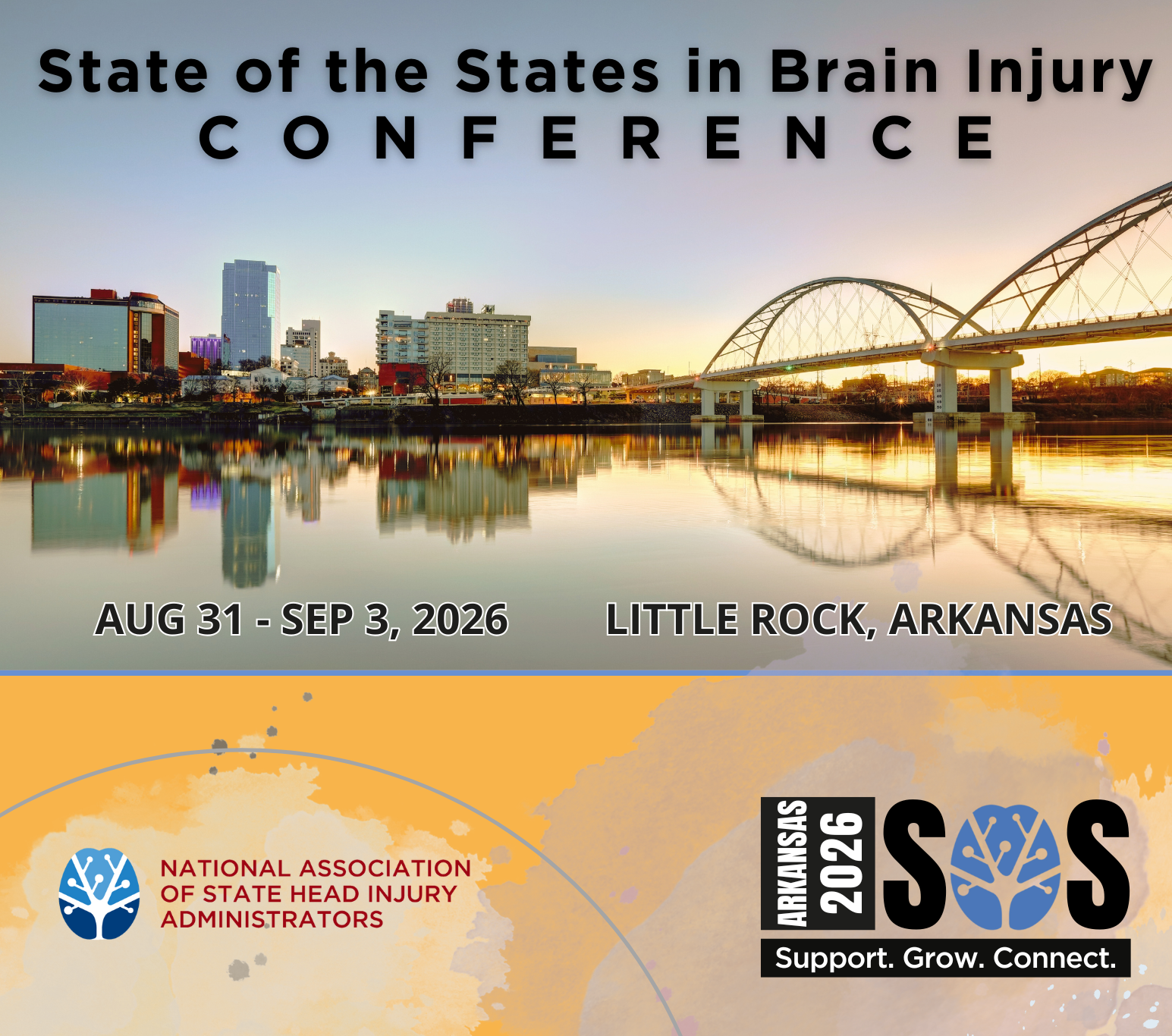
State of the States in Brain Injury Conference
August 31 - September 3, 2026 Little Rock, Arkansas |
|
|
2026's SOS will be the 37th consecutive year that NASHIA has hosted the conference.
SOS continues to bring state leaders together, alongside brain injury advocacy organizations, partners, researchers, and providers.
This year’s conference will highlight work in the Criminal Legal System (CLS), Clinical Practices (CP), Behavioral Health (BH), and Medicaid/Long-Term Services & Supports as content tracks, as well as bring content applicable to the whole brain injury community. |
|
|
Helping to Heal: Conversations About Trauma Informed Principles |
|
|
In 2014, the Substance Abuse and Mental Health Services Administration (SAMHSA) published its seminal guidance, SAMHSA’s Concept of Trauma and Guidance for a Trauma-Informed Approach, which articulated the key principles of a Trauma-Informed Approach. These principles provide a strong framework for strategies that best support people who have experienced trauma. This toolkit of videos, infographics, audio files, and transcripts representing these principles offers simple tips and strategies from people with lived experience of both trauma and disability to help you better support family members, friends, clients, or patients. |
|
|
Engaging Service Members, Veterans, and Families: A Toolkit for Certified Community Behavioral Health Clinics |
|
|
This toolkit is designed to help Certified Community Behavioral Health Clinics (CCBHCs) identify service members, veterans, and their families (SMVF) receiving services, understand military/veteran experiences, and apply this knowledge while providing mental health and substance use services under the CCBHC model of care.
This toolkit was created to support CCBHCs in fulfilling their statutory criteria for program requirement 4.K "intensive community-based mental health care for members of the Armed Forces and Veterans". In addition to supporting CCBHCs, this toolkit has universal applicability to various SAMHSA grantees and community-based behavioral health providers. |
|
|
Exploring Risks of Repeated Head Impacts in Youth and Strategies to Minimize Exposure: Proceedings of a Workshop |
|
|
Understanding how repeated head impacts (RHI) affect the developing brain - along with the biological, behavioral, and social factors that influence short- and long-term exposure - is a growing area of scientific inquiry and public health concern. The National Academies' Forum on Traumatic Brain Injury convened a workshop in April 2025 to examine the known and unknown surrounding youth exposure to RHI. This Proceedings of a Workshop summarizes presentations and discussions that took place during the event. |
|
|
Brain Injury Association of North Carolina |
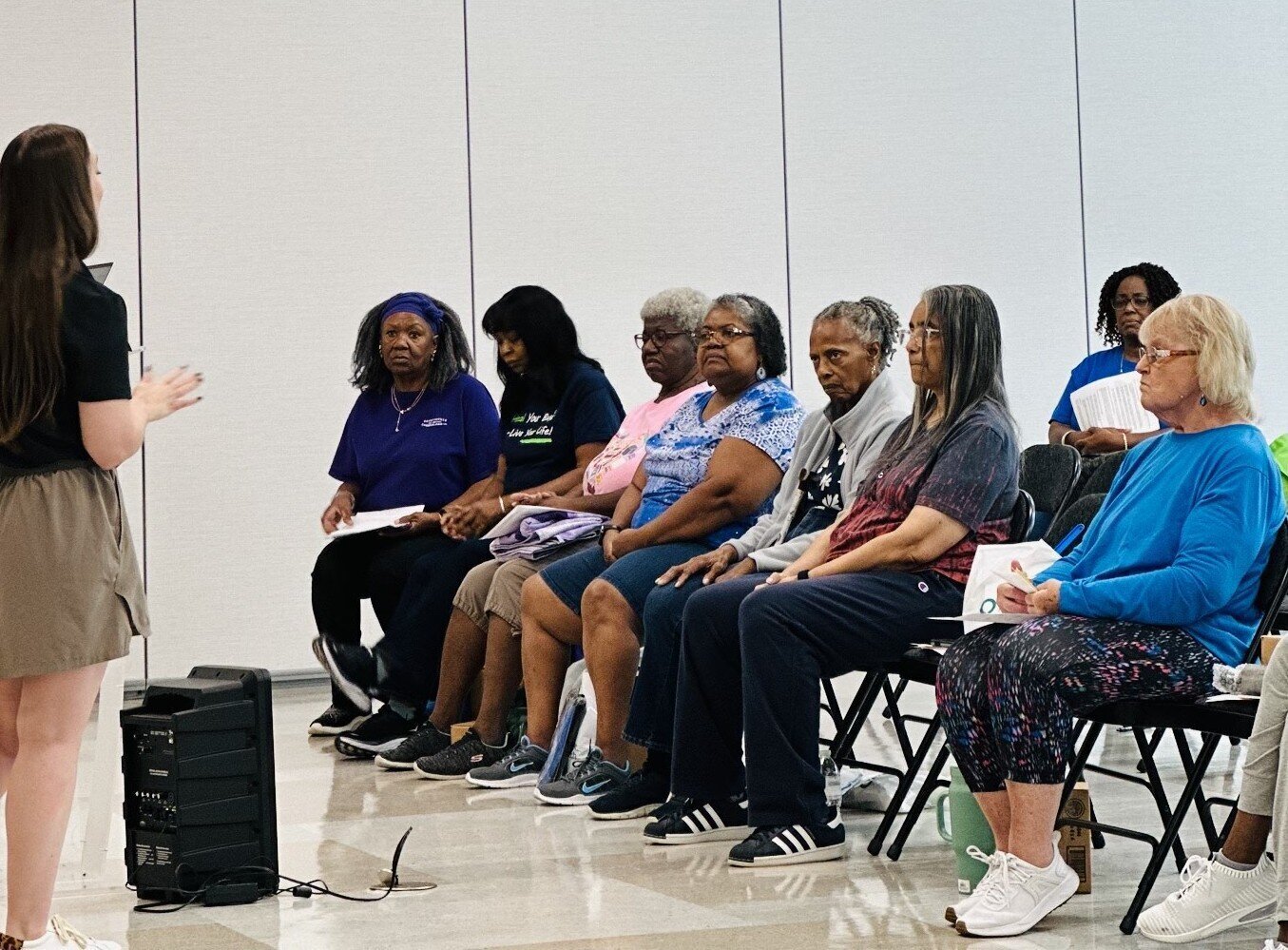
The Brain Injury Association of North Carolina (BIANC) continues to advance its mission of help, hope, and a voice for individuals and families impacted by brain injury through statewide education, connection, and advocacy initiatives. In September 2025, BIANC successfully hosted the annual Camp Thrive Together, a weekend retreat for brain injury survivors at Camp Carefree in Stokesdale, North Carolina. Camp Thrive provided a supportive and inclusive environment where participants could build confidence, strengthen peer connections, and experience joy through activities such as arts and crafts, outdoor recreation, and group social experiences. The program emphasized empowerment, community, and the importance of shared lived experience for individuals navigating life after brain injury. Strong participation and positive feedback underscored the ongoing need for survivor-focused programming across the state. |
|
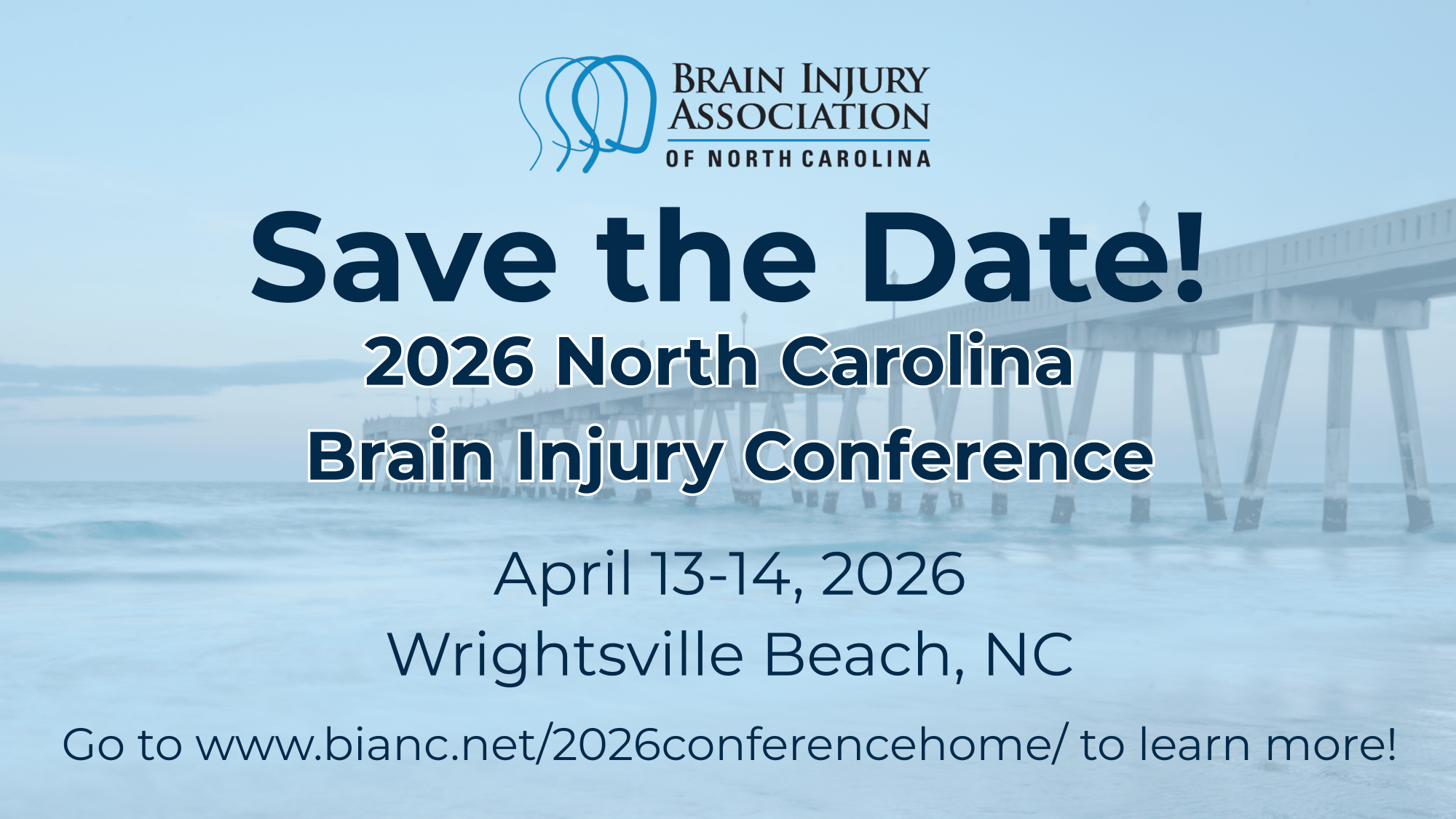
Building on this momentum, BIANC will host its annual North Carolina Brain Injury Conference in April 2026 in Wrightsville Beach. The 2026 conference will bring together professionals, survivors, caregivers, and advocates to focus on building the brain injury field in NC. Sessions will explore clinical and rehabilitation practices, innovation and emerging approaches, and research and policy. Attendees will gain practical tools and current insights aimed at strengthening care coordination and improving outcomes from acute care through long-term community reintegration. Beyond its signature events, BIANC’s outreach work remains a cornerstone of its impact. The organization’s outreach team engages communities throughout North Carolina by providing education, resources, and support to individuals and families affected by brain injury. This includes facilitating support groups, delivering training sessions and webinars, participating in community events, and collaborating with healthcare providers, service organizations, and policymakers. Through these efforts, BIANC continues to expand awareness, promote prevention, and ensure that individuals living with brain injury are supported and know they are not alone. |
|
|
|
Together, Camp Thrive, the 2026 conference, and BIANC’s ongoing outreach efforts reflect the organization’s continued commitment to strengthening services, amplifying voices, and building a more informed and connected brain injury community across North Carolina. |
|
|
|
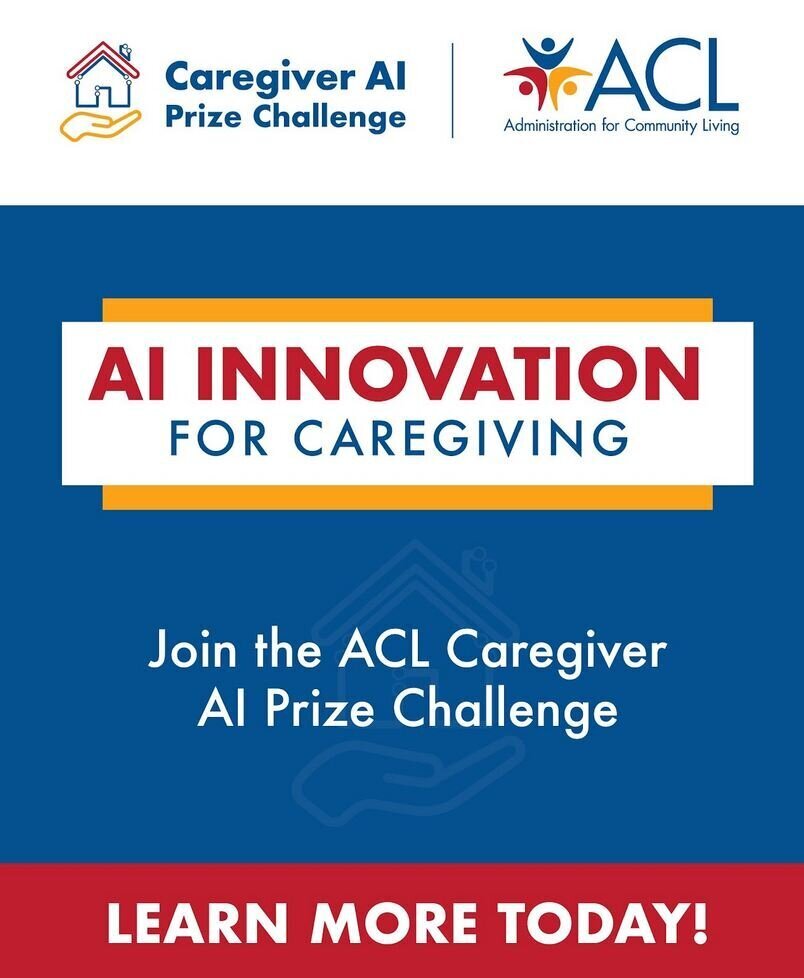
Caregiver AI Prize Challenge |
|
|
|
Millions of caregivers help loved ones stay safe and independent at home, and care workers across the country work every day to support them. The Administration for Community Living Caregiver AI Prize Challenge is calling on innovators to use AI to: |
|
|
|
Help build solutions that improve care for everyone. |
2026 State of Brain Injury Report |
Recognizing the need for a comprehensive look at the current state of brain injury in America, the Brain Injury Association of America has published The 2026 State of Brain Injury Report. A collaboration from distinguished leaders in the field of brain injury and neurorehabilitation, The 2026 State of Brain Injury Report explores the impact that acquired brain injury has on millions of Americans – not just those who sustain brain injuries, but their families, caregivers, and communities. |
|
You received this email because you subscribed to our list. You can unsubscribe at any time. PO Box 59165 Potomac, MD 20859 USA |
|
|
|