|
|
|
|
Welcome to NASHIA Connections!
The monthly newsletter for everything NASHIA.
You are receiving this newsletter because you are a valued partner in the brain injury community and with NASHIA.
This issue includes our starting lineup of 2026 professional development opportunities, an update on screening statistics and our recent staff retreat, and too many new resources to count! |
|
|
🍁 NASHIA Holiday Closure 🍁
Our offices will be closed Thursday, November 27th and Friday, November 28th so our team can spend time with loved ones and recharge for the work ahead.
As we head into the Thanksgiving holiday, we’re reflecting on just how much we have to be grateful for this year - our dedicated members, partners, subscribers, collaborators, and the incredible community that continues to advance brain injury services nationwide.
Thank you for being part of this mission.
We wish you all a safe, restful, and gratitude-filled holiday. 🧡 — The NASHIA Team |
|
|
|
✨ NASHIA Staff Retreat Recap ✨
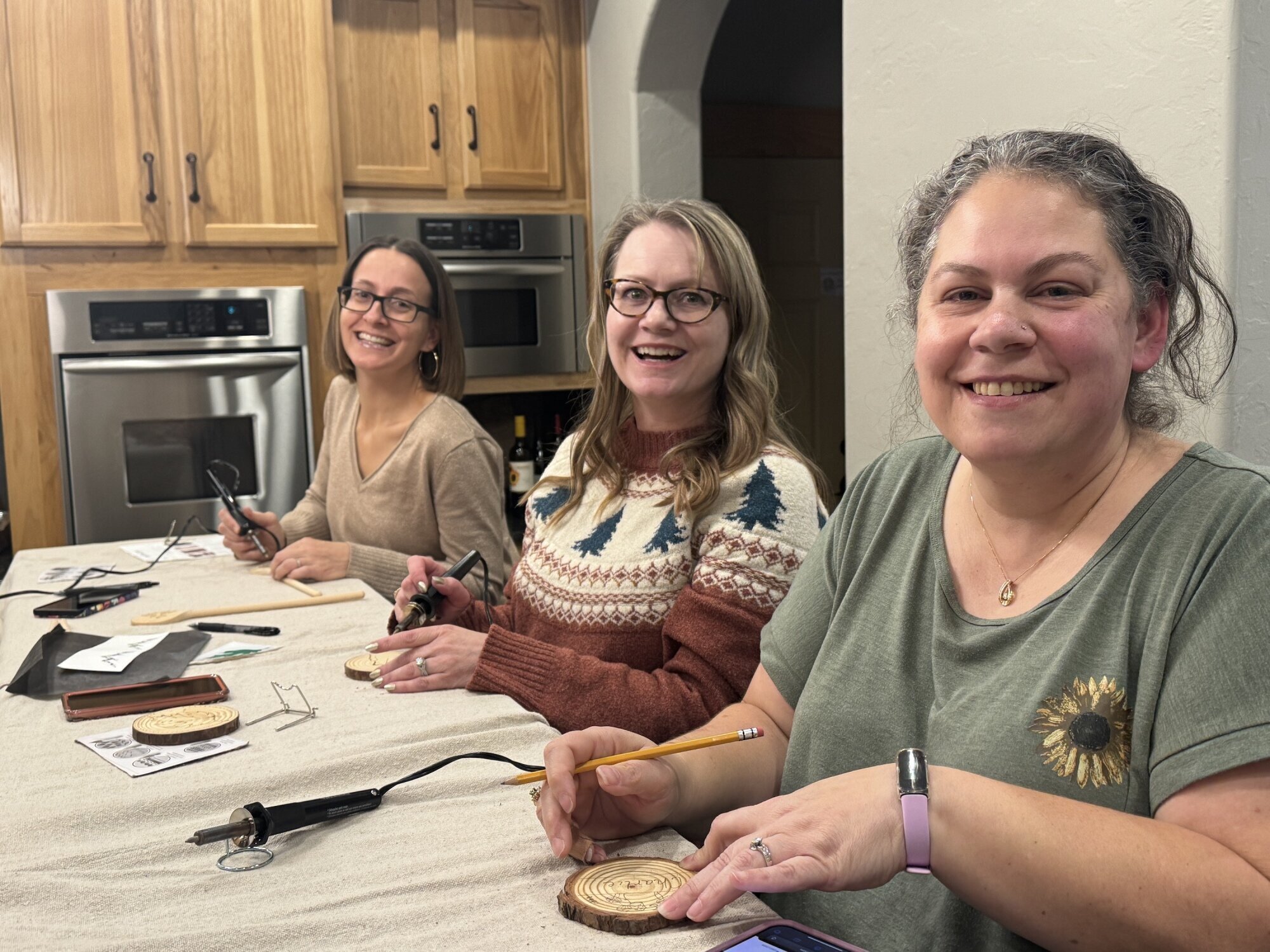
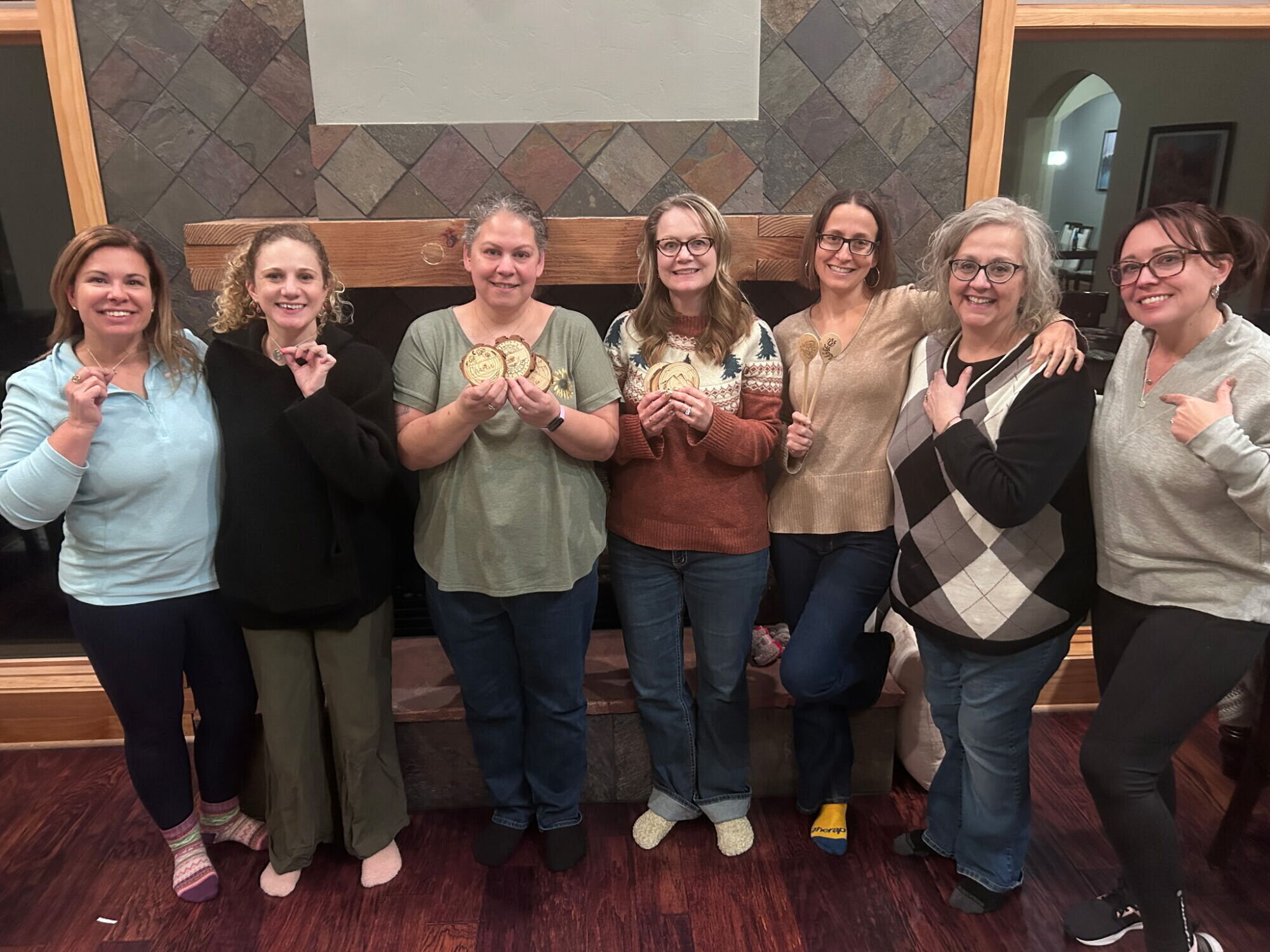
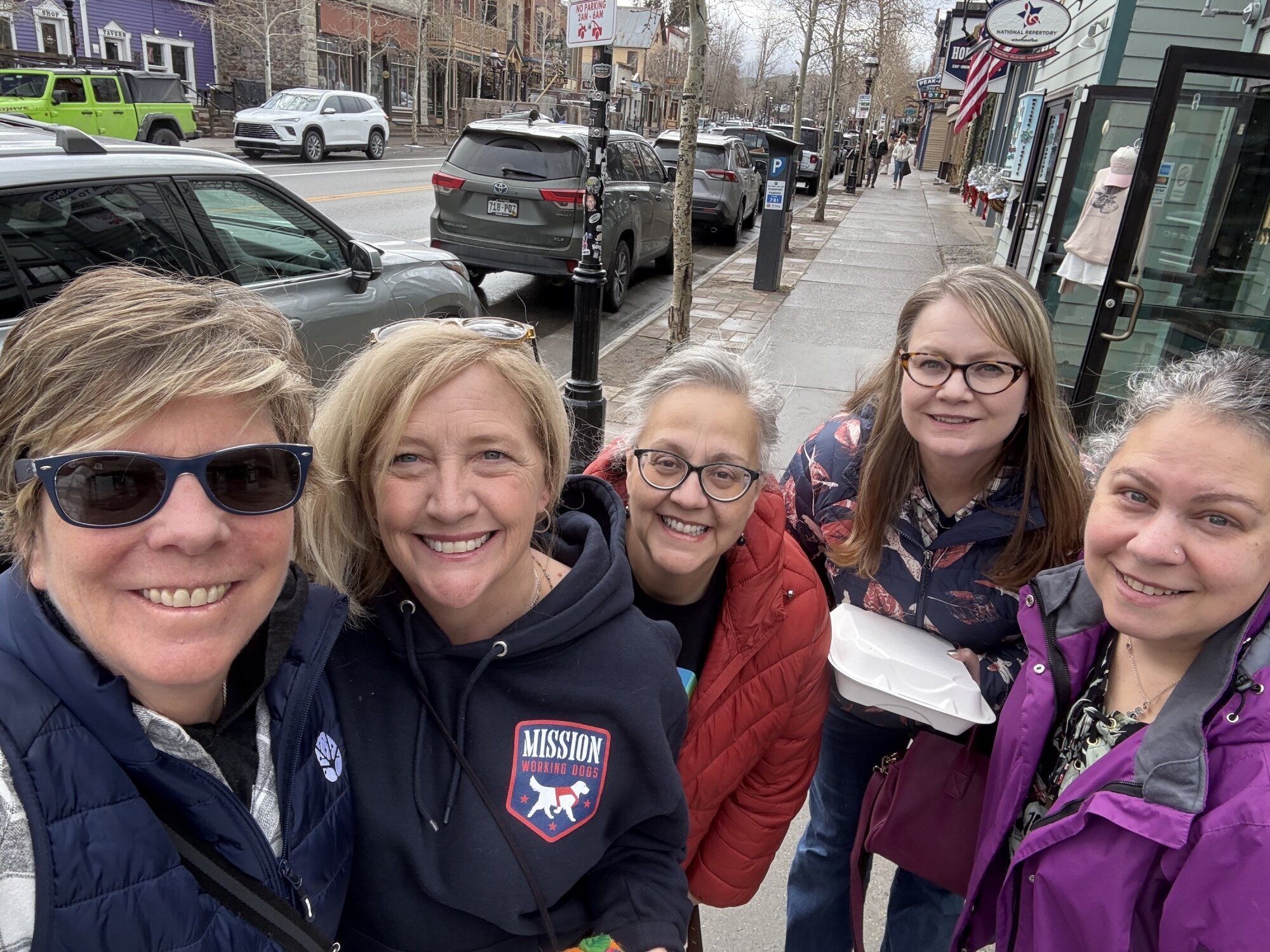
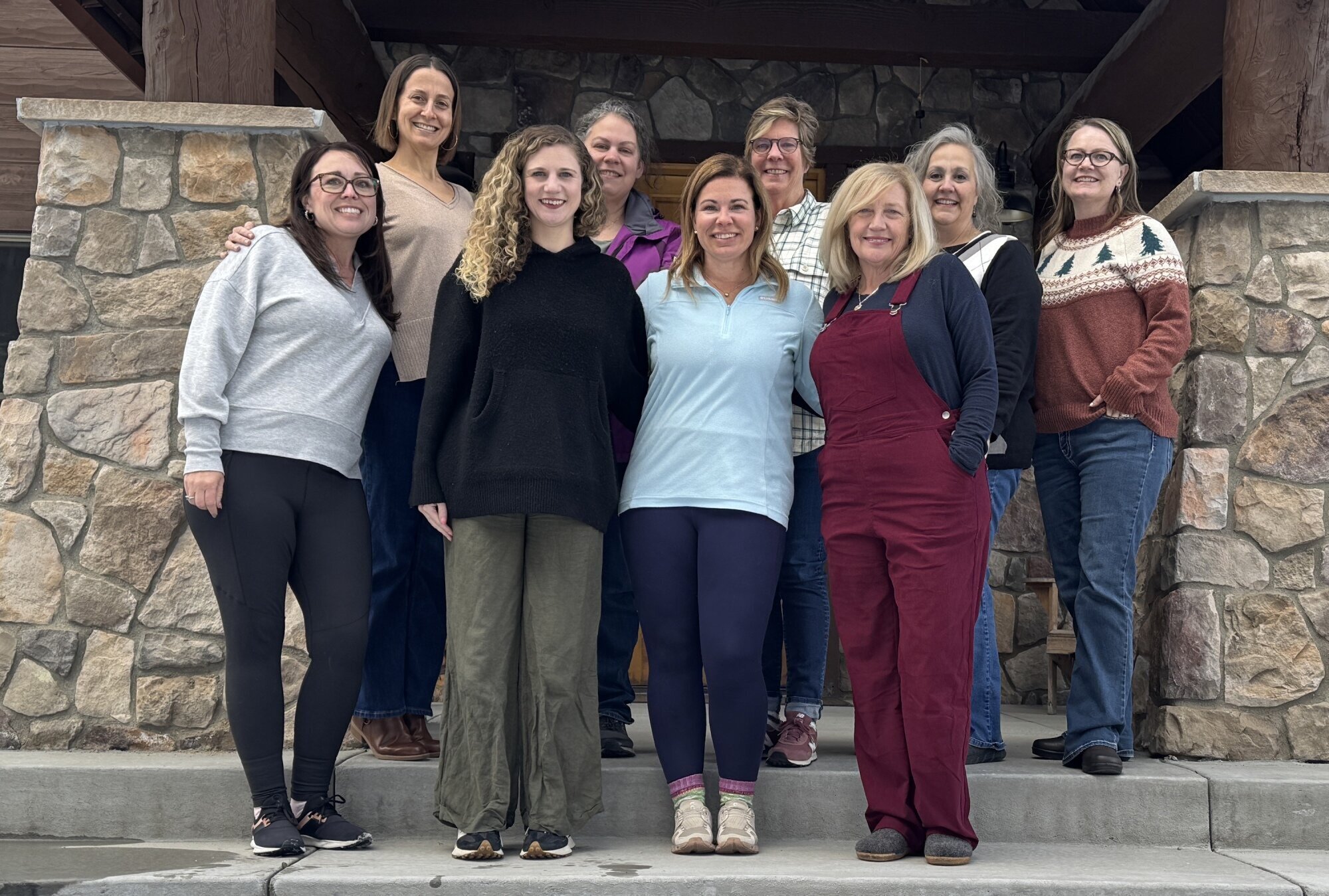
Last week, our team gathered in beautiful Breckenridge, Colorado for dedicated time to focus on the road ahead. With 2026 just around the corner, we spent the week reviewing organizational goals, mapping out key priorities, and laying the foundation for a strong and impactful year.
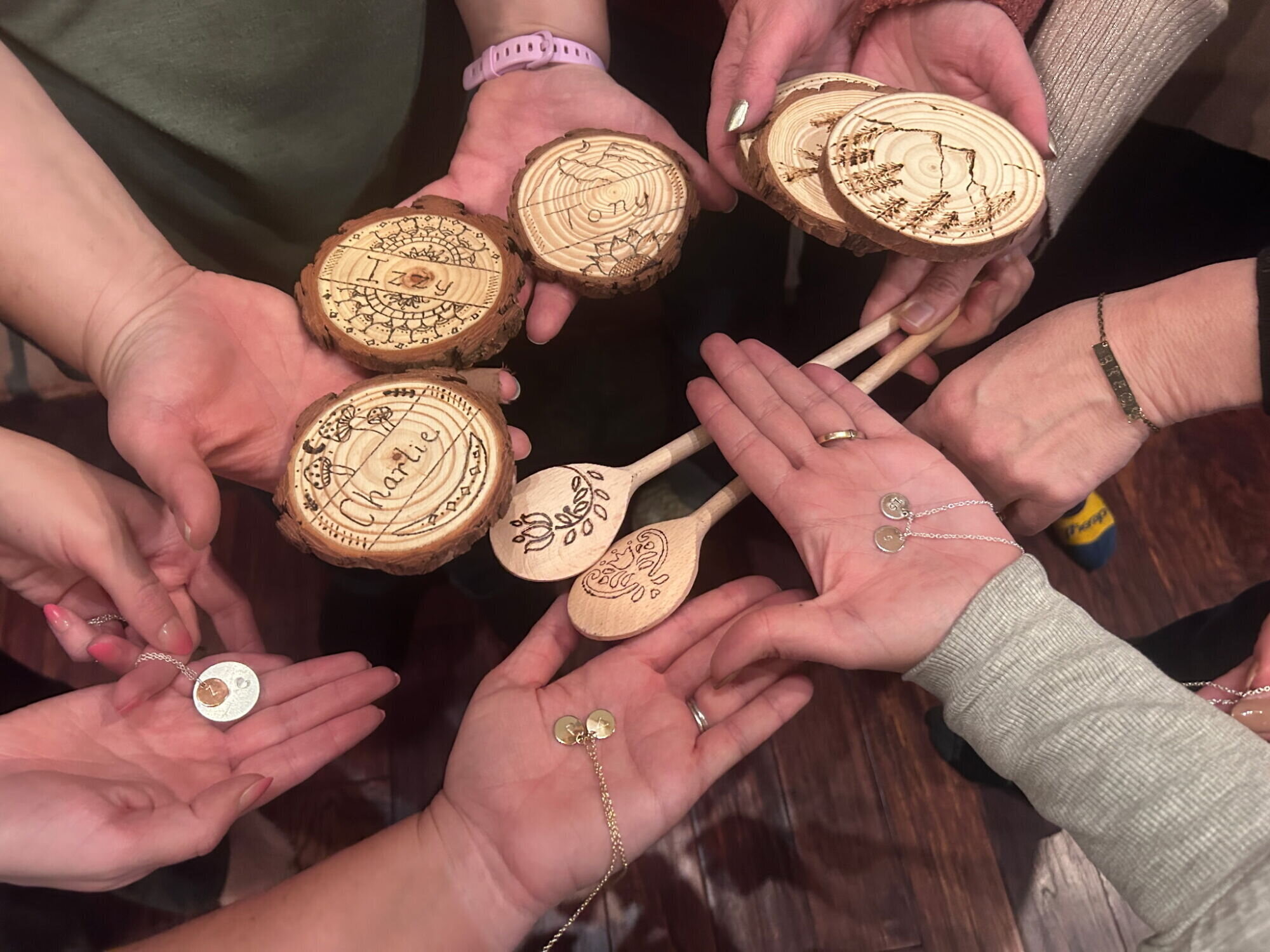
We also invested in the strength of our team, because collaboration fuels the work we do. A little intentional team building (including a craft night!) helped us reconnect, reflect, and return with renewed energy and alignment.
We’re excited for what’s ahead and grateful for the opportunity to step back, plan thoughtfully, and ensure we’re ready to support brain injury systems nationwide in the coming year. |
|
|
|
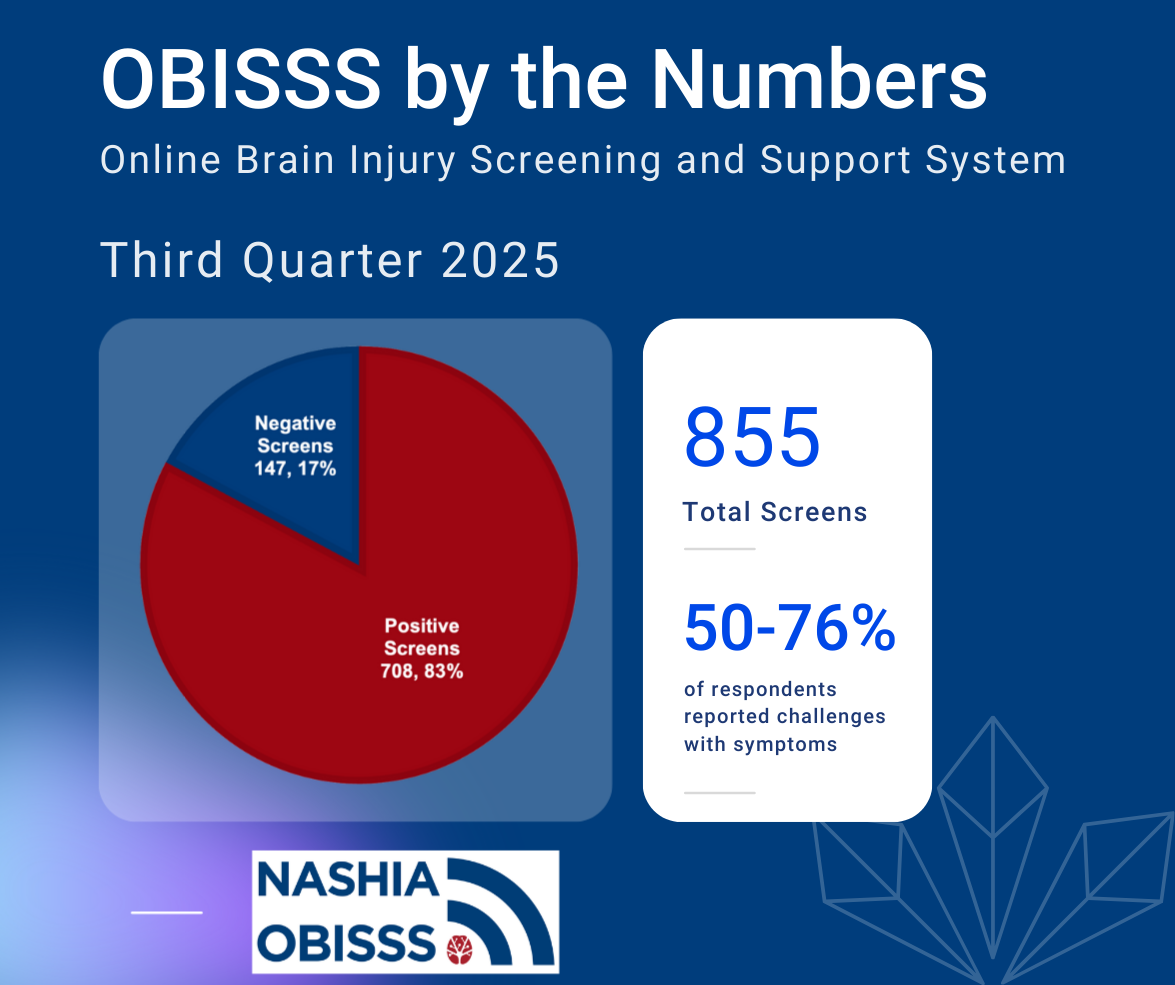
📊 OBISSS Q3 Reports Are Live!
Thanks to our amazing subscribers, 855 screenings were completed in Q3, with 83% positive for potential brain injury and 50–76% of participants reporting challenges with symptoms. Your dedication to helping identify and support individuals living with brain injury is unmatched!
Want to make a difference in your state or community? Use the OBISSS and help expand access to vital brain injury screening.
Explore the full Q3 reports and learn more at the link below! |
|
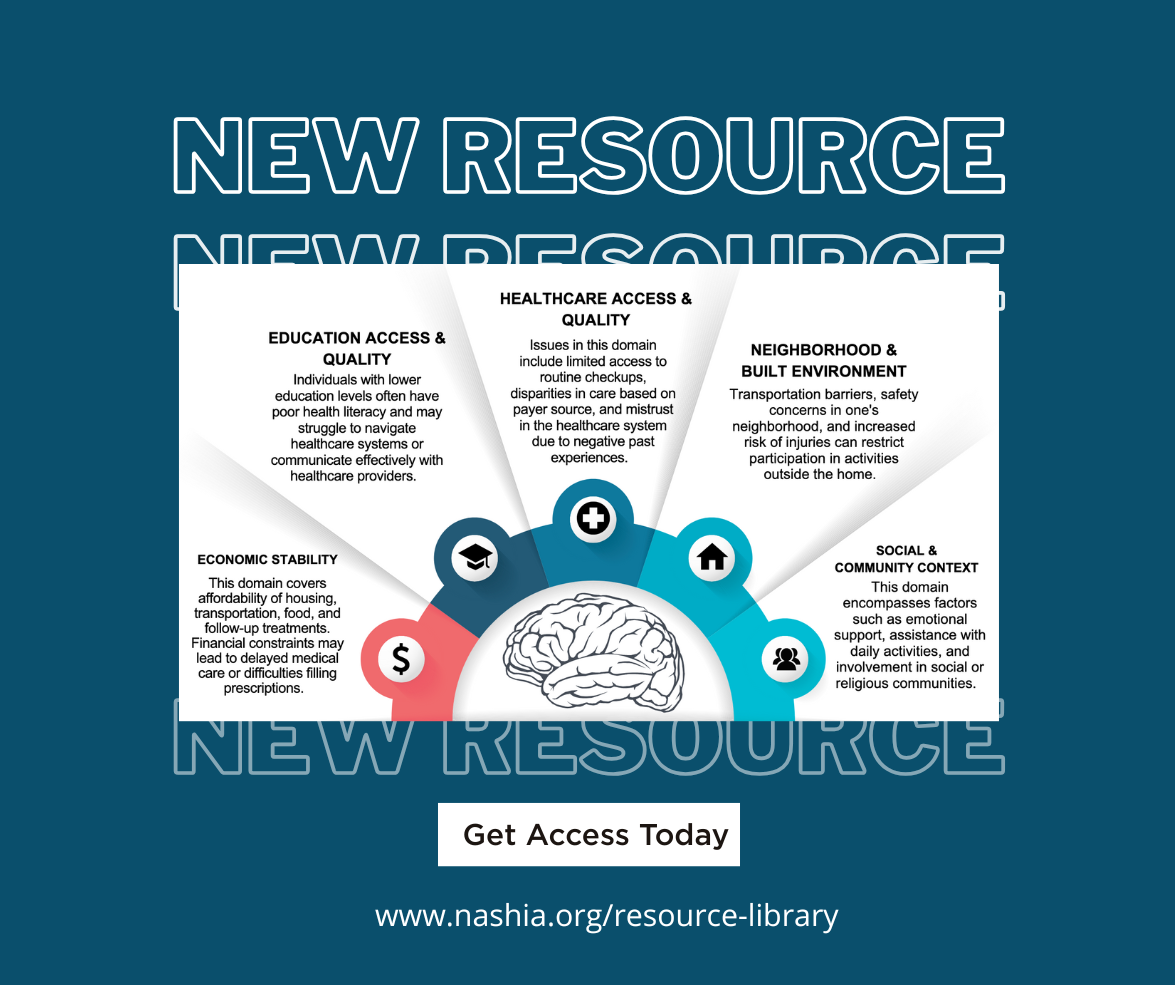
We are excited to share this new product, developed with support from the 2023 Moody Galveston Brain Injury Conference (MGBIC) contributors, hosted by NASHIA, with funding from the Moody Endowment!
Individuals with a brain injury or any other chronic condition possess a lifetime of experiences. These past experiences and the present environment can significantly affect how they cope with their brain injury and influence their overall health. Collectively, these experiences and environments are known as non-medical drivers of health.
A recent subgroup from the Moody Galveston Conference developed a fact sheet aimed at helping healthcare providers adopt a more holistic approach to treatment. This ensures that they consider factors beyond just the brain injury itself.
Both English and Spanish versions of the fact sheet are available and include specific guidance and resources. We encourage you to help distribute these valuable resources within your networks. |
|
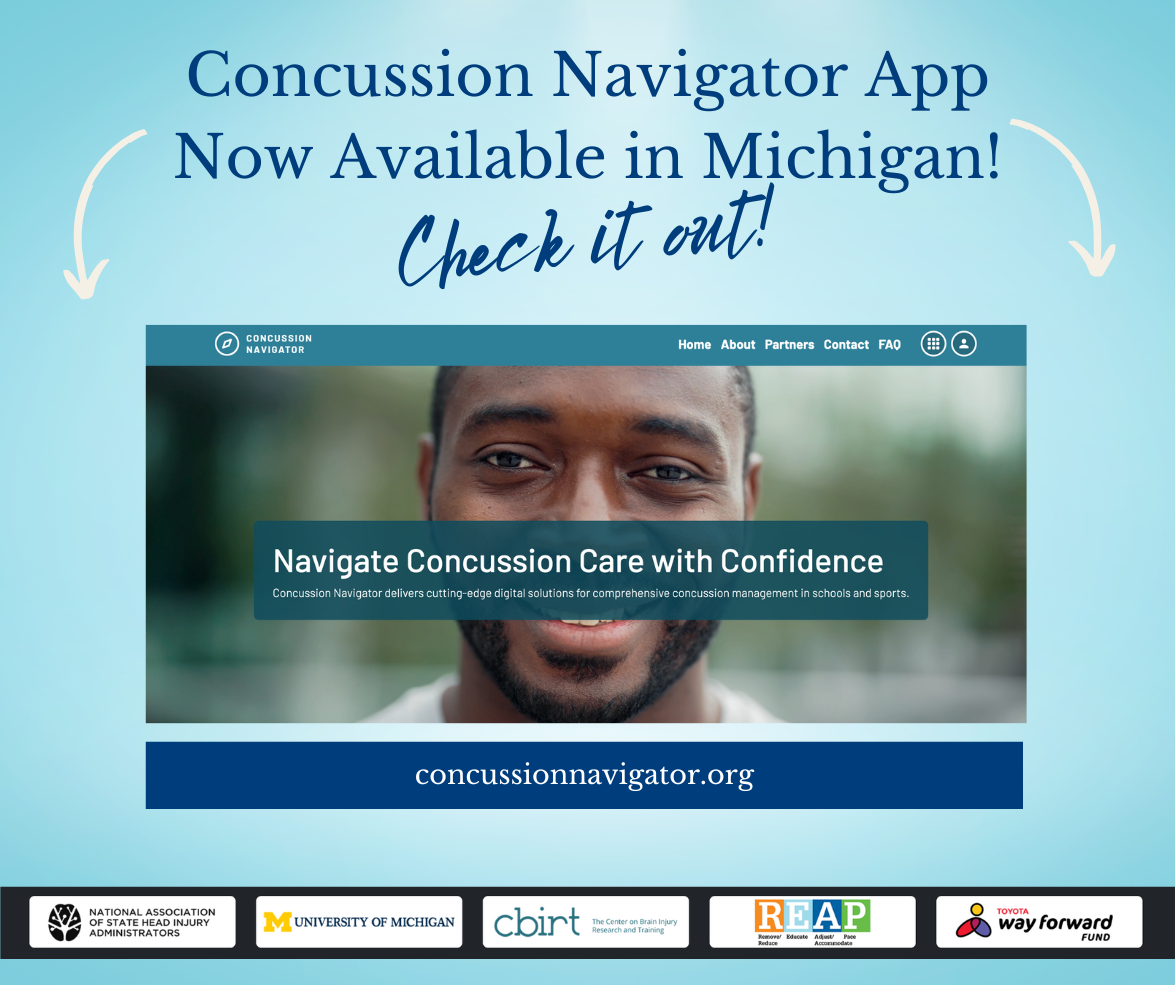
Toyota’s Way Forward Fund supported NASHIA and partners to create the Concussion Navigator app, a comprehensive suite of digital tools designed to support individuals, families, and healthcare providers in managing traumatic brain injury (TBI) care.
This innovative platform features three essential components: ✅ REAP, which provides evidence-based training and education about TBI management; ✅ RECOUPS, an interactive symptom tracking system that helps monitor recovery following a potential TBI; ✅ Compass, a sophisticated resource geolocator that connects users with nearby TBI services and support.
Together, these integrated tools create a user-friendly ecosystem that streamlines access to TBI resources, enhances recovery monitoring, and improves care coordination for those affected by concussions and traumatic brain injuries.
Now available in Michigan!
Thank you to Toyota Way Forward Fund for their continued support of and innovation in the brain injury community!
|
|
Waiting on carryover funds? NASHIA is extending the application deadline for the 2026 Leading Practices Academy to December 5th, to allow lead state agencies and their partner agencies to utilize carryover funds to enroll in the program.
The LPA is a targeted, customized technical assistance program that guides states in building infrastructure related to a focus area of their choice. |
|
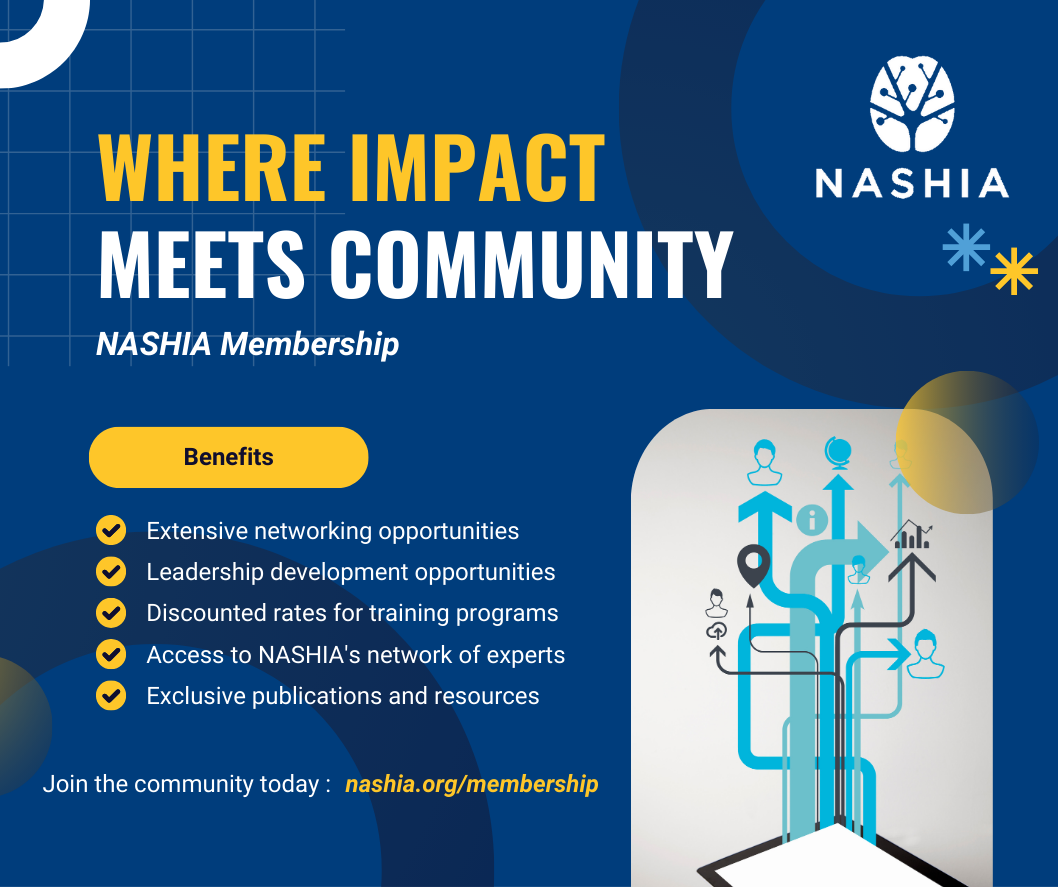
Become Part of the Community: Join NASHIA Today!
At NASHIA, membership isn’t just about resources. It’s about belonging to a national community of leaders, practitioners, and advocates who are deeply invested in improving brain injury systems across the country.
Our members consistently tell us that their favorite benefit of NASHIA membership are the connections they forge: 💡 Building relationships with state brain injury programs, their partners, private practitioners, and advocates 💡 Sharing insights and best practices across systems and sectors 💡 Collaborating on projects that make a tangible difference
When you join NASHIA, you’re not just staying informed, you’re plugged into a network that strengthens your impact. |
|
🔔 ICYMI: Updated Resource Alert!
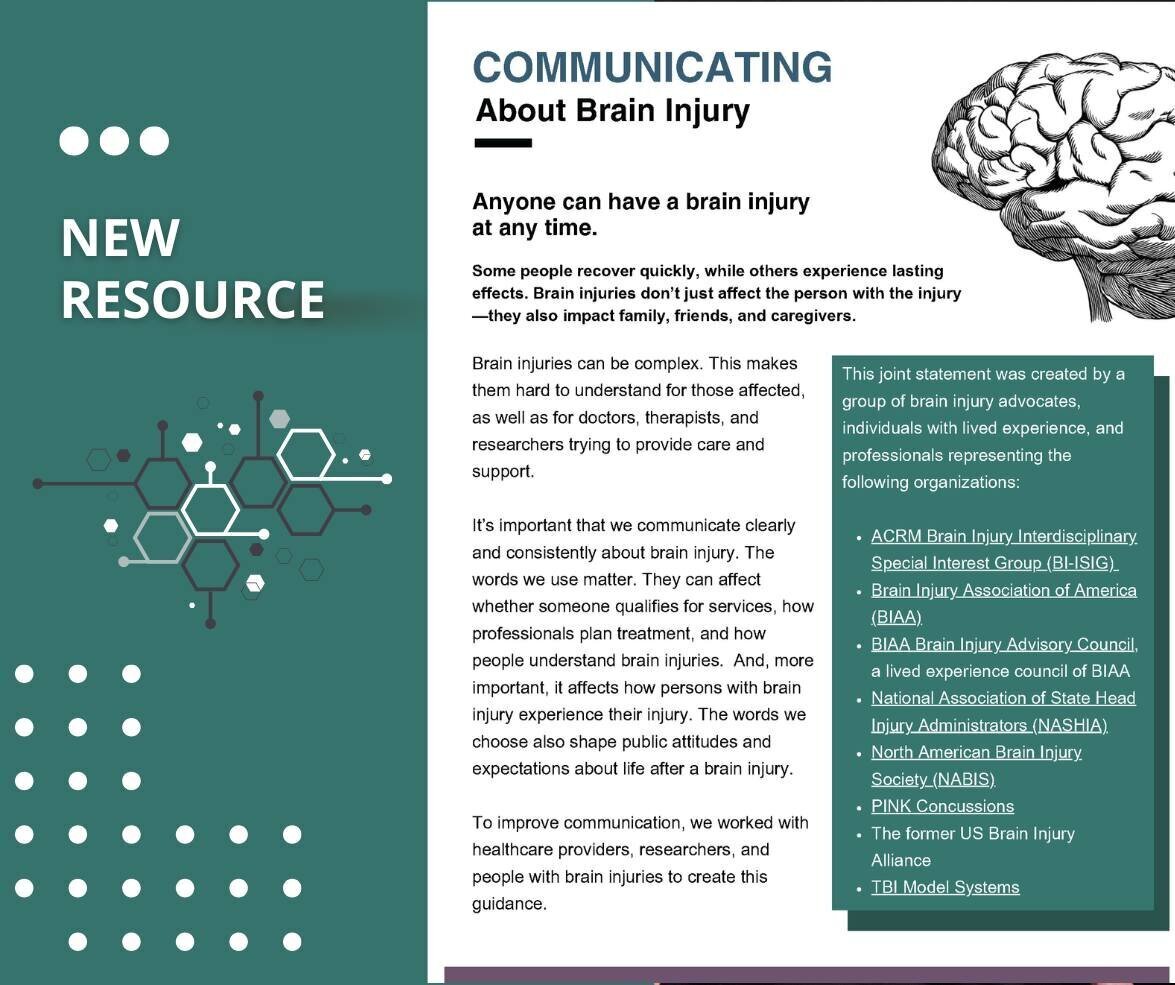
Our new resource, Communicating About Brain Injury, has been updated to include a link to the newly published Journal of Head Trauma Rehabilitation article!
If you work in brain injury services, advocacy, or communications, this guide offers practical strategies for talking about brain injury in ways that inform, engage, and inspire action |
|
📊 New Resource Alert: “Map of TBI Death Rates, 2023”
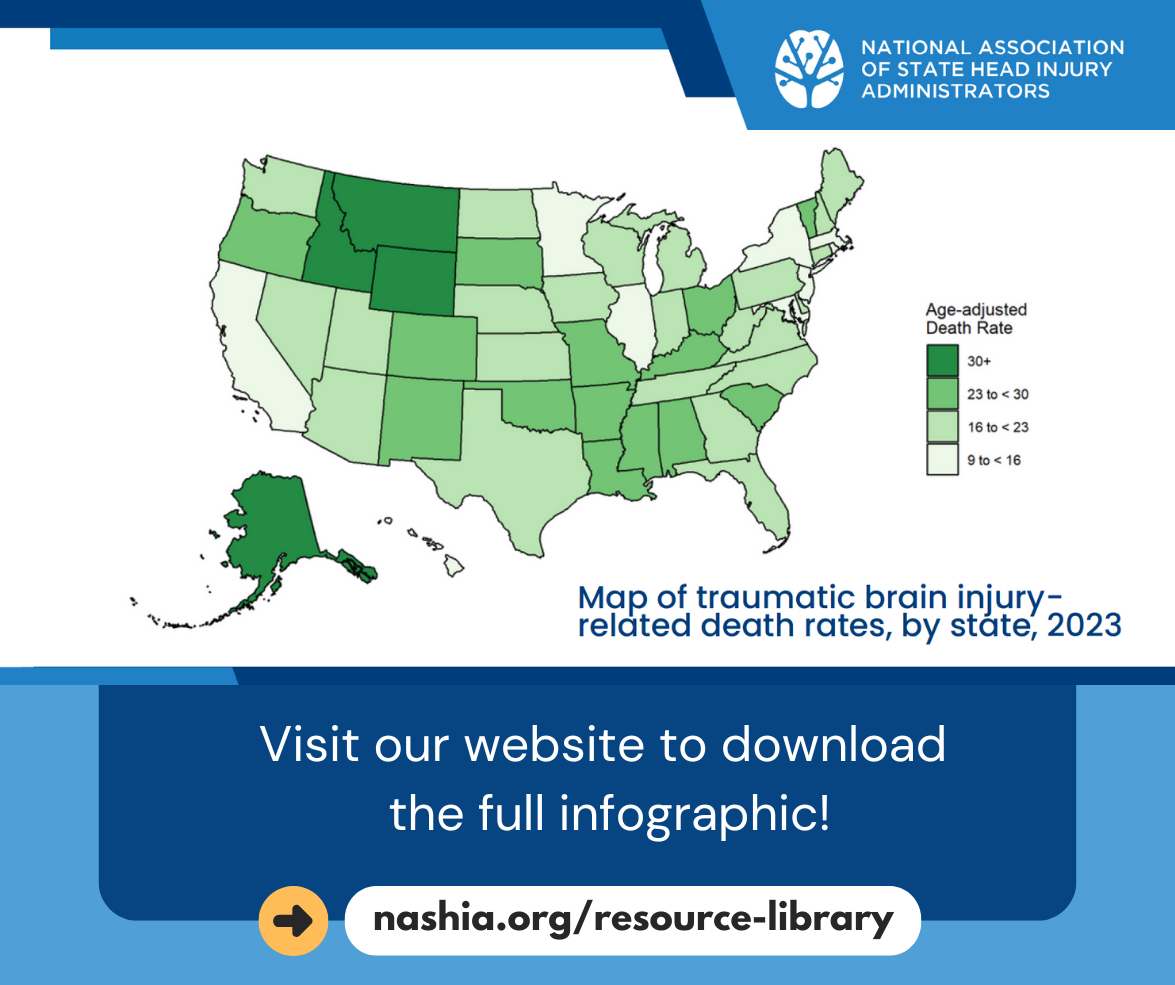
NASHIA is pleased to share an updated state‑level data map highlighting traumatic brain injury (TBI)‑related death rates in 2023. These insights are crucial for informing prevention, program planning, and service provision across states.
➡️ Use this resource to: 💡 Identify where TBI‑related deaths are highest 💡 Strengthen your prevention and service strategies 💡 Enhance funding and policy proposals 💡 Benchmark your state within the national landscape
A special thanks to Dana Waltzman (Indiana University School of Medicine) for collaborating with us on this infographic |
|
🎉 The momentum continues! 🎉
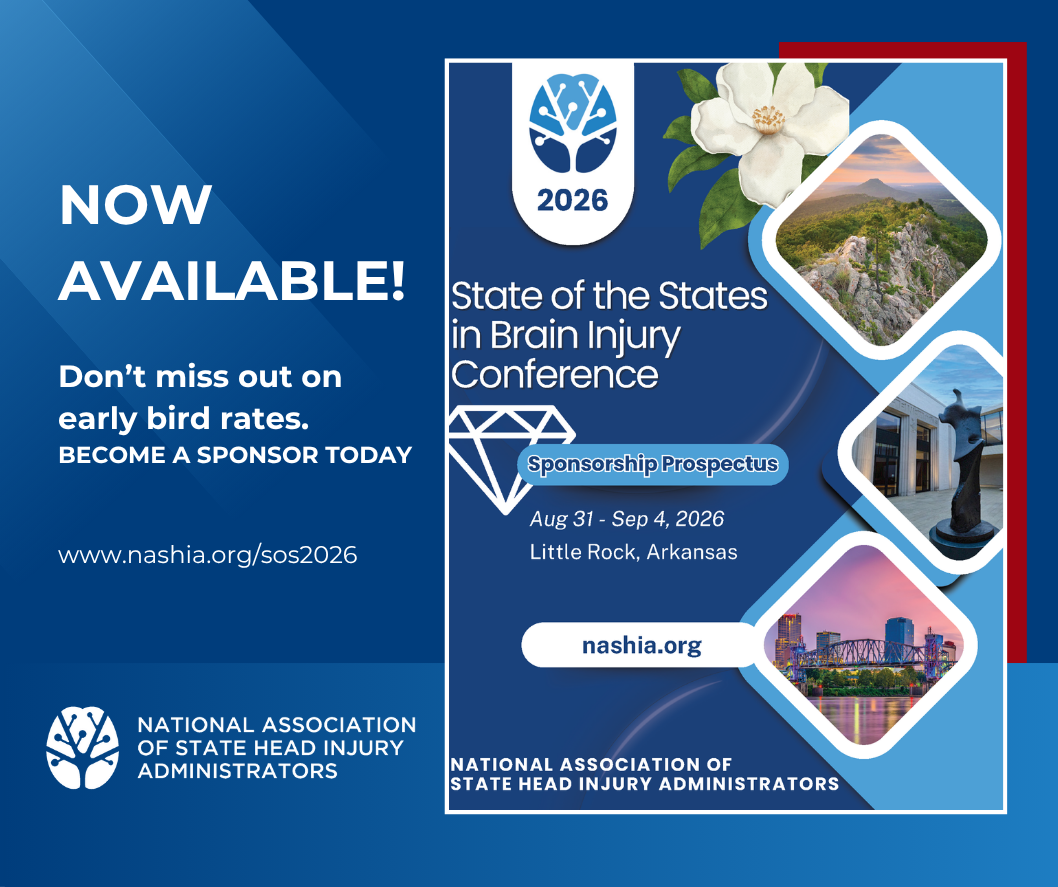
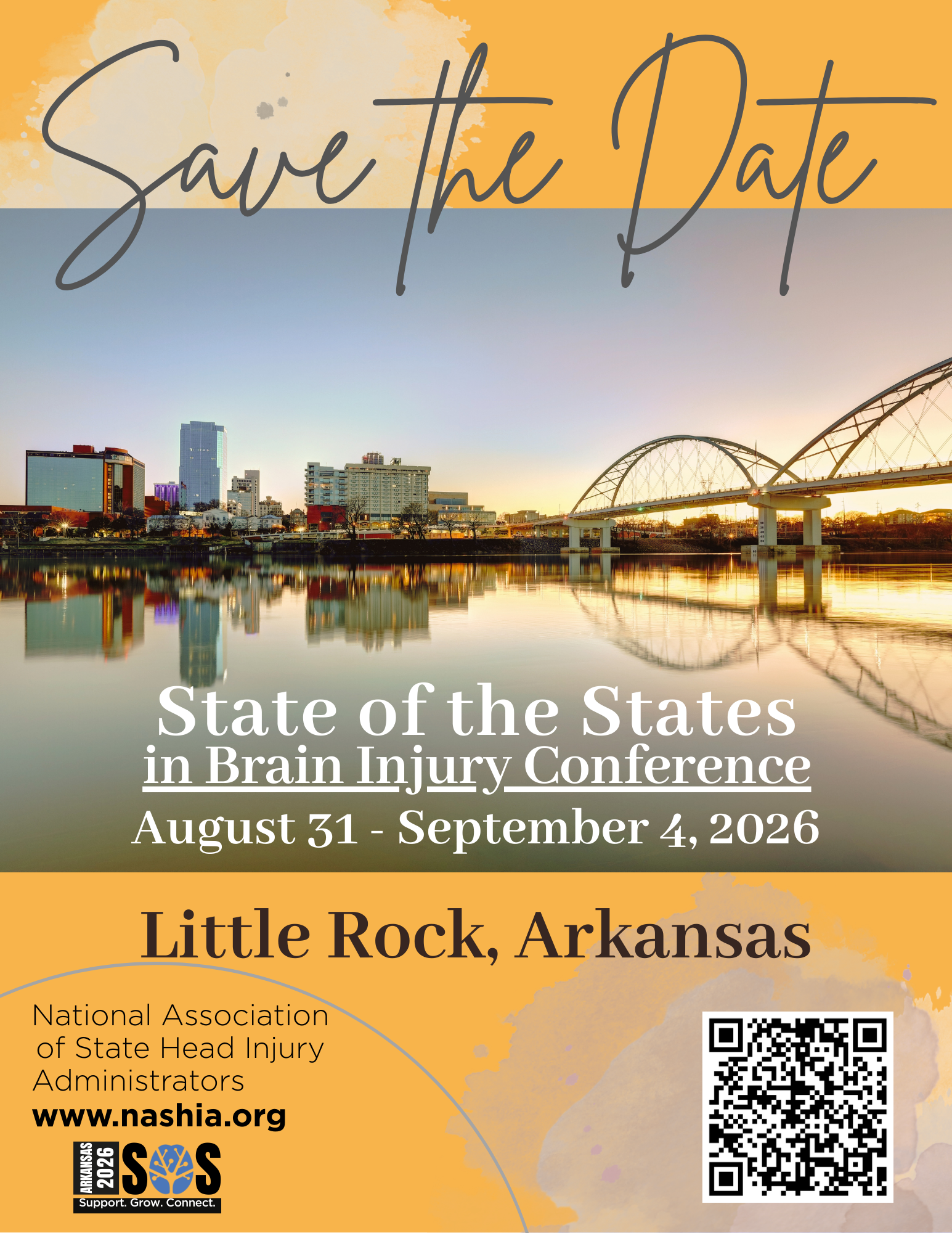
We’re still riding the energy from SOS 2025 in Portland, but it’s already time to look ahead, because sponsor registration is NOW OPEN for the 2026 State of the States (SOS) Conference in Little Rock, Arkansas!
Each year, SOS brings together leaders and innovators from across the nation who are shaping the future of brain injury services, and our sponsors help make it all possible. From meaningful visibility to authentic connections, your partnership amplifies impact.
💡 Be part of what’s next.
Join us in Little Rock, connect with decision-makers, and help strengthen systems of support nationwide. |
|
|
|
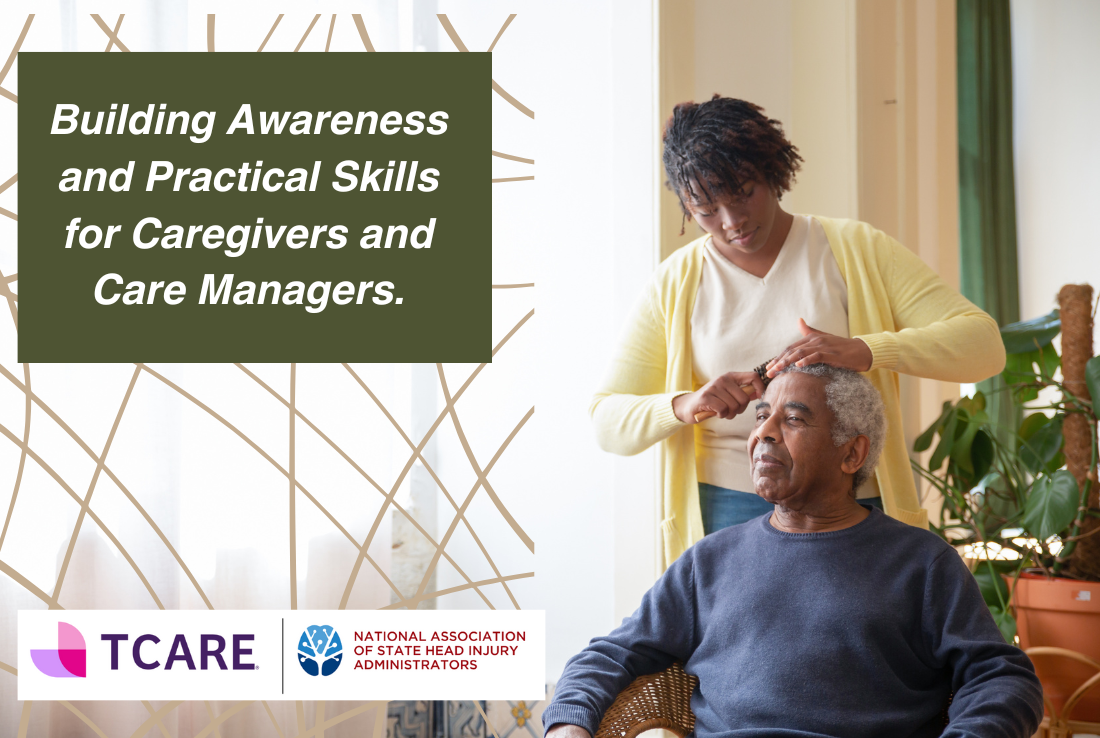
Building Awareness and Practical Skills for Caregivers and Care Managers
December 4, 2025 12:30pm - 1:00pm CT |
|
|
Caring for Veterans with Brain Injury: Practical Approaches for Families
This session addresses the unique aspects of brain injury among veterans, including overlap with PTSD. Caregivers will learn targeted strategies to support veterans at home, create low-stimulation environments, and recognize red flags that require professional referral.
Even if you couldn’t attend the November trainings, this December session stands on its own, designed to provide essential insights, strategies, and support just for caregivers supporting survivors of military-related brain injury. |
|
|
A Deeper Dive: Integrating Mental Health/Substance Use Services for Individuals with Brain Injury through the Certified Community Behavioral Health Clinic Model
Two-Part Workshop Part 1: Nov 13, 12:00-2:00pm ET Part 2: Jan 8, 12:00-1:30p ET |
|
|
Weren't Able to Make it on Nov 13th?
Because this is such an important topic, and several have asked for it, we are offering Part 1 as an archived recording, and then you can join Jan 8th for the office hours session.
Certified Community Behavioral Health Clinics (CCBHCs) are transforming the way behavioral health services are funded and delivered—but brain injury (BI) is often overlooked within these systems of care. Led by NASHIA and Jane King, PsyD, LP, a subject matter expert with extensive experience at the intersection of brain injury and behavioral health, this hands-on, skills-based intensive will equip brain injury and behavioral health administrators and local CCBHCs to partner for improved recognition brain injury and associated supports for improved outcomes. |
|
|
When Trauma Meets Injury: Navigating the Overlap of Post-Traumatic Stress Disorder (PTSD) and Brain Injury
January 21, 2026 12:00 - 1:30pm ET |
|
|
Post-Traumatic Stress Disorder (PTSD) and brain injury (BI) often share overlapping symptoms, yet they are distinct conditions that require tailored approaches to screening, diagnosis, and treatment. This webinar will present an overview of PTSD, explore how PTSD and brain injury intersect in adults, and highlight critical differences between the two. Participants will gain insight regarding identification of each condition, and learn about evidence-based approaches for support. Designed for brain injury program staff and other community providers, this session will help participants strengthen understanding, improve treatment strategies, and promote integrated, person-centered care. |
|
|
Grant Writing Workshop
February 4 and February 11, 2026 1:00pm - 3:00 pm ET both dates |
|
|
New to grant writing?
Feeling rusty with your writing skills?
Looking for ways to fund your projects?
This is your solution! NASHIA has designed this four-hour course to provide an overview of tips for writing a successful grant proposal including: |
|
|
Action Collaborative on Traumatic Brain Injury Care |
|
|
This new action collaborative and clinical practice guideline, published in the Annals of Family Medicine, provides evidence-based recommendations to enhance care coordination and outcomes for individuals with brain injury. The guideline emphasizes cross-system collaboration and practical strategies for improving care delivery. NASHIA was honored to serve as part of the external review process. |
|
|
Hidden Harms: Supporting Survivors of IPV with Brain Injuries |
|
|
NASHIA's Maria Crowley and Zaida Ricker were consulted as subject matter experts on the creation of this new training from CDC!
This is a critical resource for advocates, victim services providers, behavioral health professionals, and anyone in the space of IPV and brain injury. |
|
|
Systematic search and review of racial and ethnic differences in traumatic brain injury prevalence and incidence |
|
|
Congratulations to NASHIA Innovation Center Director Jill Daugherty on publication of this article related to work she completed during her tenure at the Centers for Disease Control and Prevention!
Previous research suggests that some racial/ethnic groups are at increased risk for poor health outcomes following a traumatic brain injury (TBI). Less is known about the extent to which TBI prevalence and incidence vary by race/ethnicity. This paper presents results of a systematic search and review of TBI prevalence and incidence among US racial and ethnic groups. |
|
|
CMS Free Technical Assistance |
States planning on expanding Medicaid home and community-based services (HCBS), and/or changing approaches and strategies to be more responsive to CMS guidance, stakeholder input, and state priorities may benefit from technical assistance (TA).
CMS has contracted with New Editions Consulting, Inc., to offer free TA to states on the various HCBS authorities available, 1915(c), (i), (j), and (k), and how to prepare your submissions to CMS. NASHIA is a TA partner to support brain injury-related requests.
TA is available for HCBS topics including, but not limited to:
💡 expanding mental health and brain injury services under waivers,
💡 self-directed services,
💡 supported employment,
💡 individual budgeting,
💡 needs assessment,
💡 positive behavioral supports,
💡 community integration,
💡 mortality and morbidity data collection and analysis,
💡 person-centered service planning, and
💡 other areas as needed by states. |
|
Analysis Finds Low-Income Older Adults Die Nine Years Earlier than Wealthier Peers |
📊 New Research Alert
A startling new report from National Council on Aging (NCOA) and LeadingAge LTSS Center at the University of Massachusetts Boston reveals that older adults in the lowest 20 % of wealth die, on average, nine years earlier than those in the top 20%.
Key findings include: 🔎 Mortality rates among older adults in the bottom 60 % of wealth were nearly twice those of individuals in the top 20%. 🔎 More than 19 million older‐adult households (≈ 45 %) don’t earn enough to cover basic living costs.
The data clearly shows that financial security and longevity are deeply linked—and that aging systems and supports must address this gap for better outcomes. |
Upcoming Awareness/Inclusion Opportunities |
Looking for opportunities to join the awareness conversation or be inclusive in celebrations? Here are some ideas for you to add to your newsletters, websites, and social media posts.
National Human Rights Month - All of December
International Day of Persons with Disabilities - December 3
Human Rights Day - December 10
Homeless Persons Memorial Day - December 21 |
|
You received this email because you subscribed to our list. You can unsubscribe at any time. PO Box 59165 Potomac, MD 20859 USA |
|
|
|