|
|
Supporting Org. Spotlight |
|
|
Welcome to NASHIA Connections!
The monthly newsletter for everything NASHIA.
You are receiving this newsletter because you are a valued partner in the brain injury community and with NASHIA.
This issue includes recent team presentations, new funding and staff announcements, many new NASHIA resources and trainings, and an introduction to Supporting Organization Member Brain Injury Association of Nebraska. |
|
|
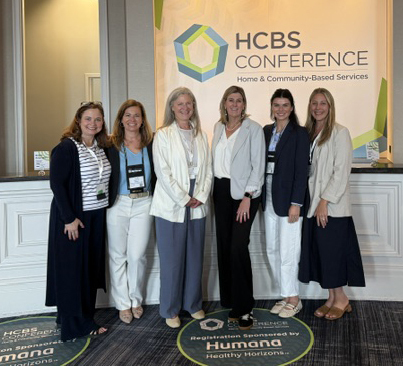
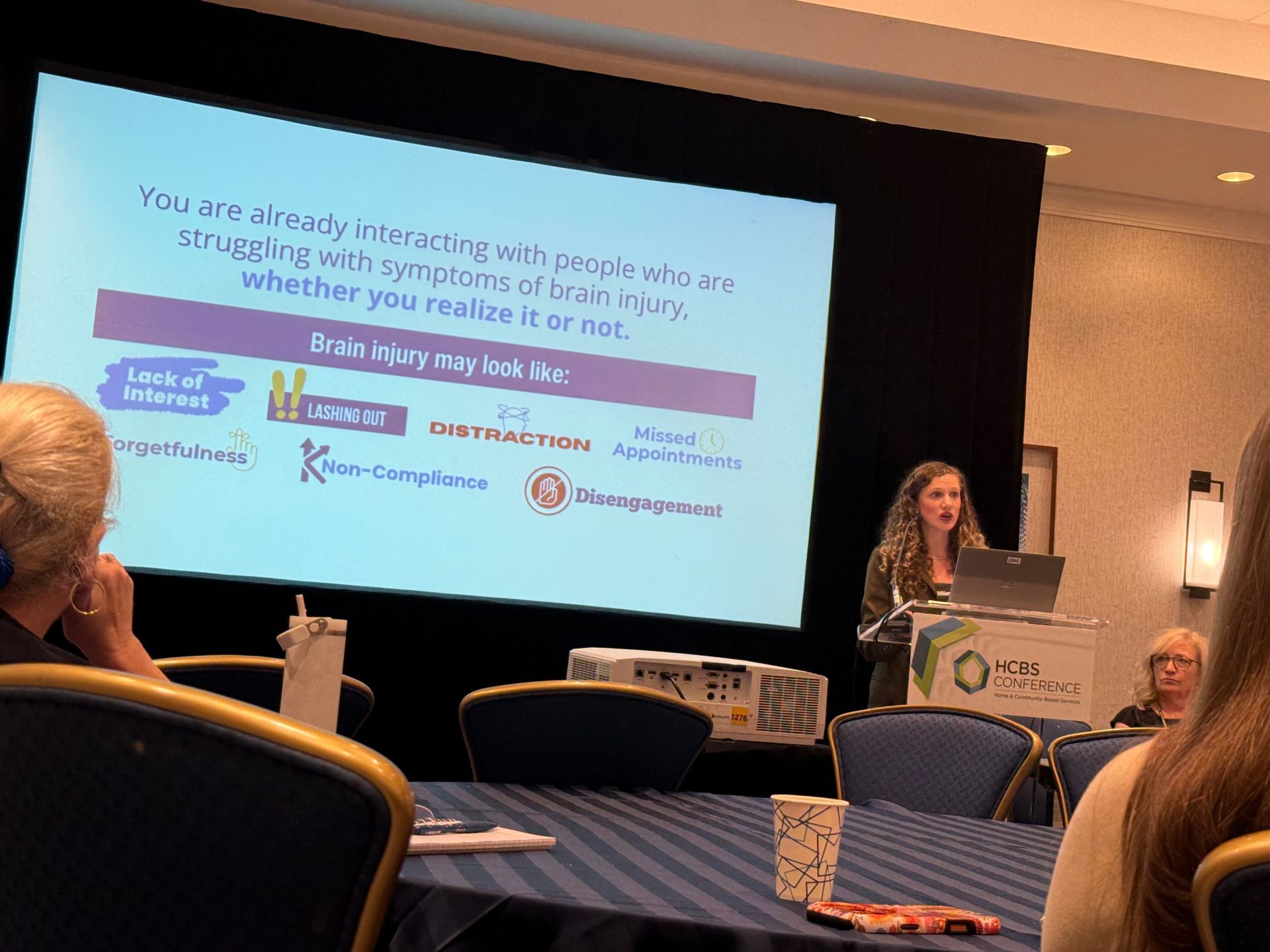
In August, members of the NASHIA team had the opportunity to participate in the ADvancing States HCBS Conference. Congratulations to the ADvancing States team for an amazing event.
NASHIA's Becky Wolfkiel enjoyed presenting on a panel within the ACL track with ACL AoD Deputy Commissioner Jennifer Johnson and NASDDDS Executive Director Mary Sowers, among leaders of state Councils on Developmental Disabilities.
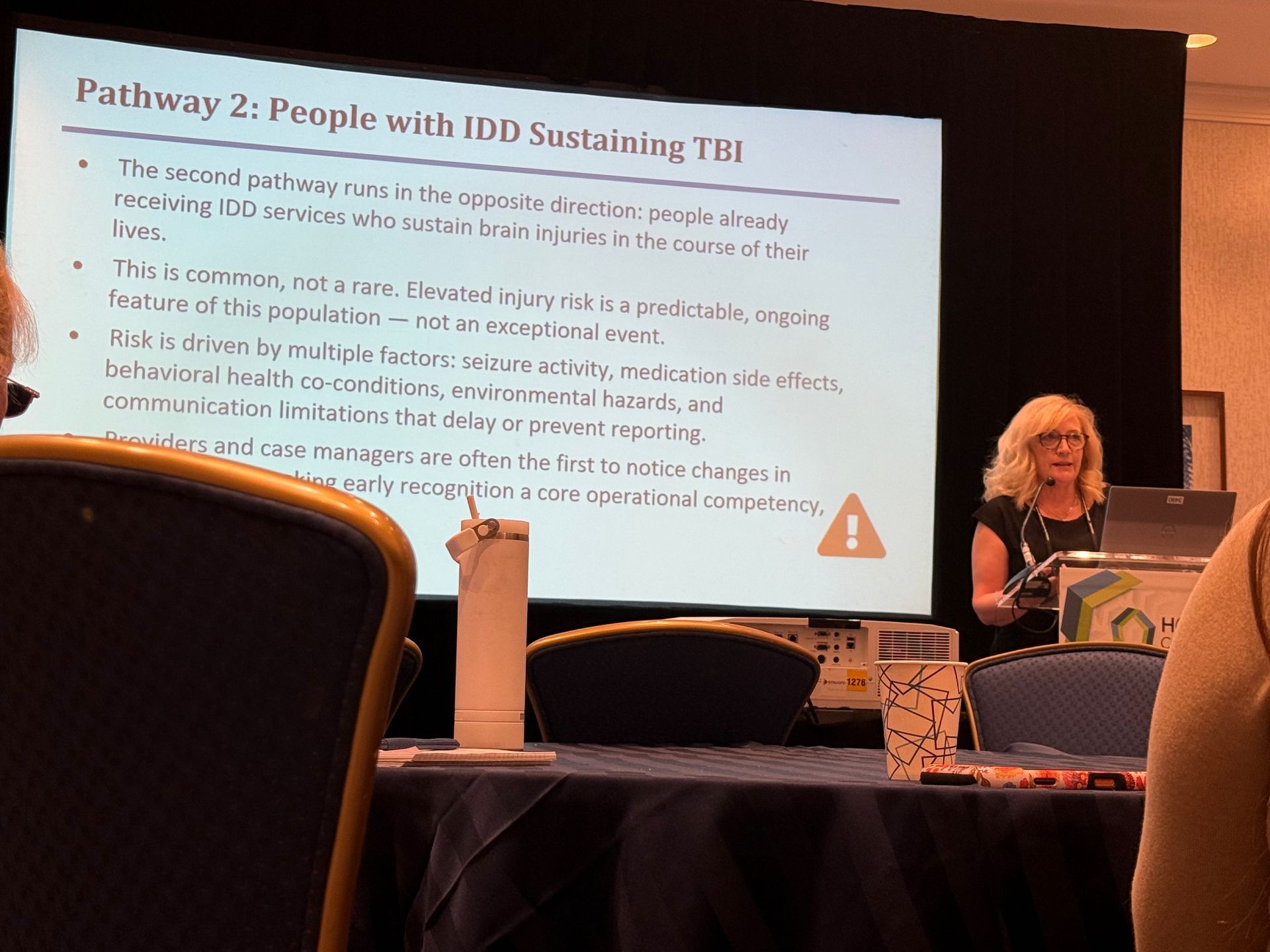
Jill Ferrington and Zaida Ricker presented with Virginia's Ann Bevan and Dr. Craig Escude of IntellectAbility related to the prevalence of individuals with brain injury who are served on I/DD waivers. We enjoyed the content and connections made! |
|
|
|
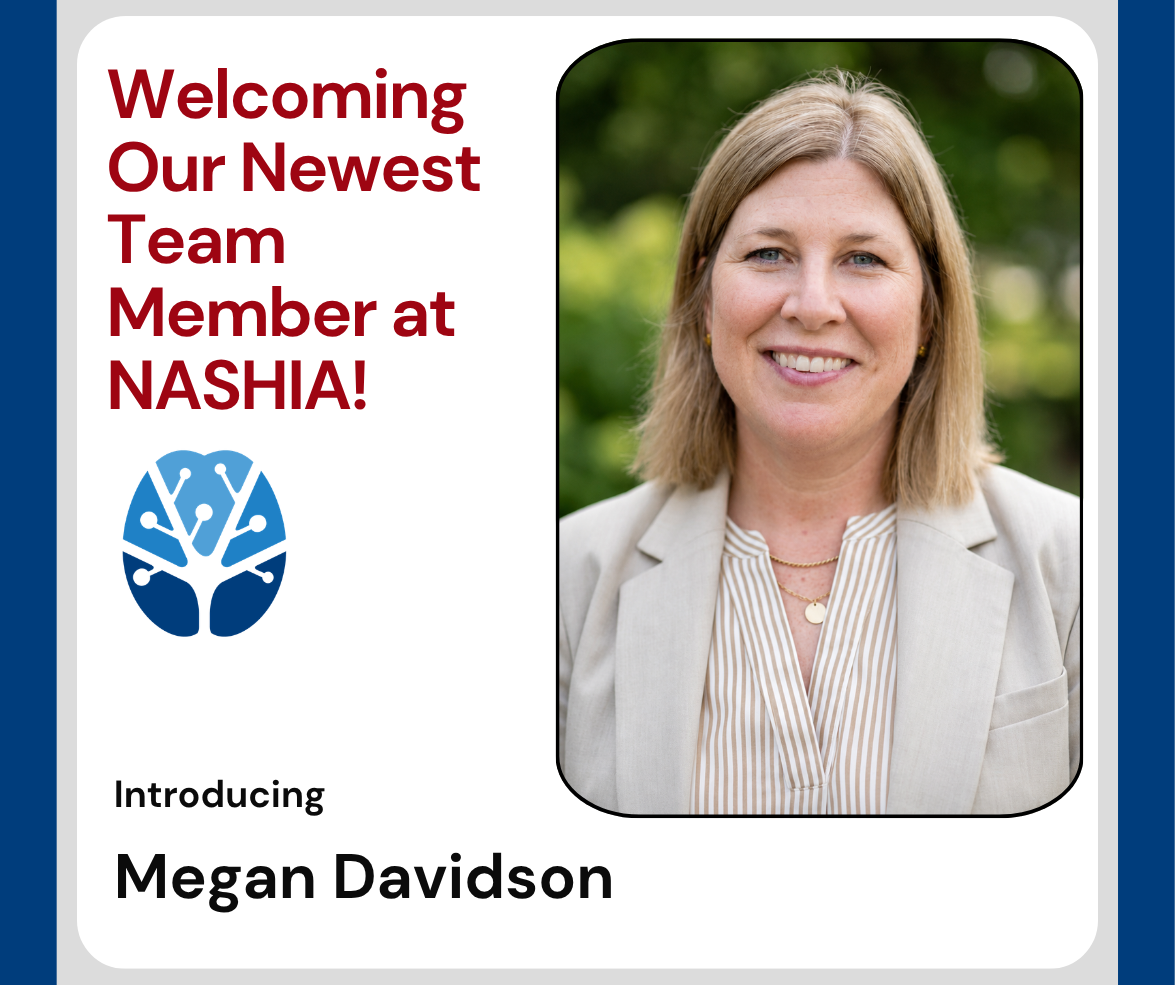
NASHIA is pleased to announce that Megan Davidson, PhD, has joined our team as Associate Director, Innovation and Systems Impact! |
|
|
|
Megan will be expanding the work of NASHIA's Innovation Center, providing additional expertise around program evaluation and data analysis. She will also work to build greater partnerships between state brain injury programs, behavioral health systems and criminal legal settings. Megan will facilitate research to practice in states, supporting implementation of programs that are rooted in evidence to support families impacted by brain injury.
|
|
|
|
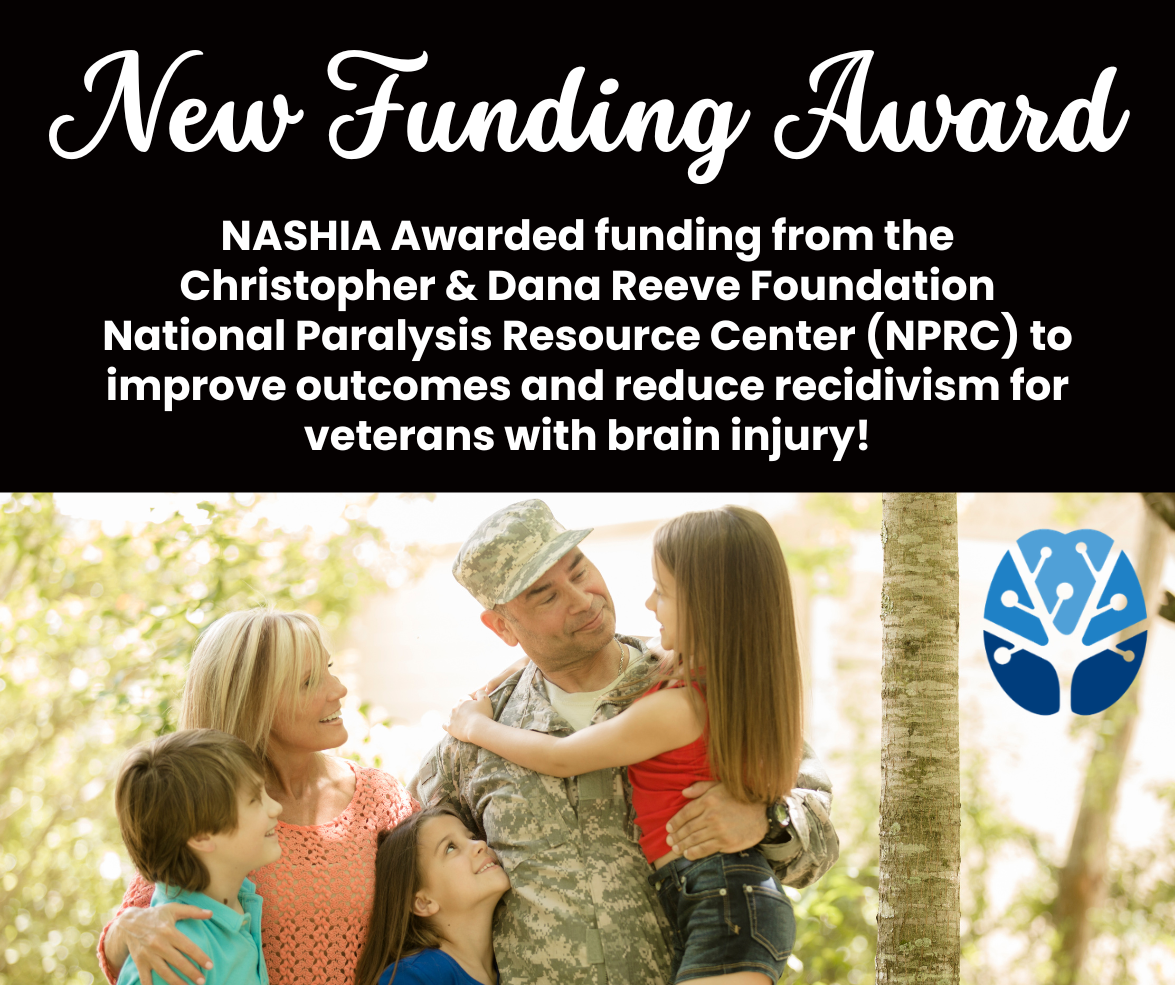
NASHIA is proud to announce that it has been awarded $99,711 as part of the Christopher & Dana Reeve Foundation National Paralysis Resource Center (NPRC) 2026 Expanded Impact 1st Cycle. |
|
|
|
NASHIA, in partnership with the Administrative Office of Illinois Courts (AOIC)-Probation Services Division, will use the grant to improve outcomes and reduce recidivism for approximately 300 veterans with a history of brain injury or paralysis who are participating in Illinois Veteran Treatment Courts (VTCs).
The project will equip VTC teams with the knowledge, tools, and resources needed to identify brain injury and paralysis, implement appropriate compensatory strategies and accommodations, and connect veterans with community-based services and supports. |
NASHIA's Executive Director Featured in NPR Article |
|
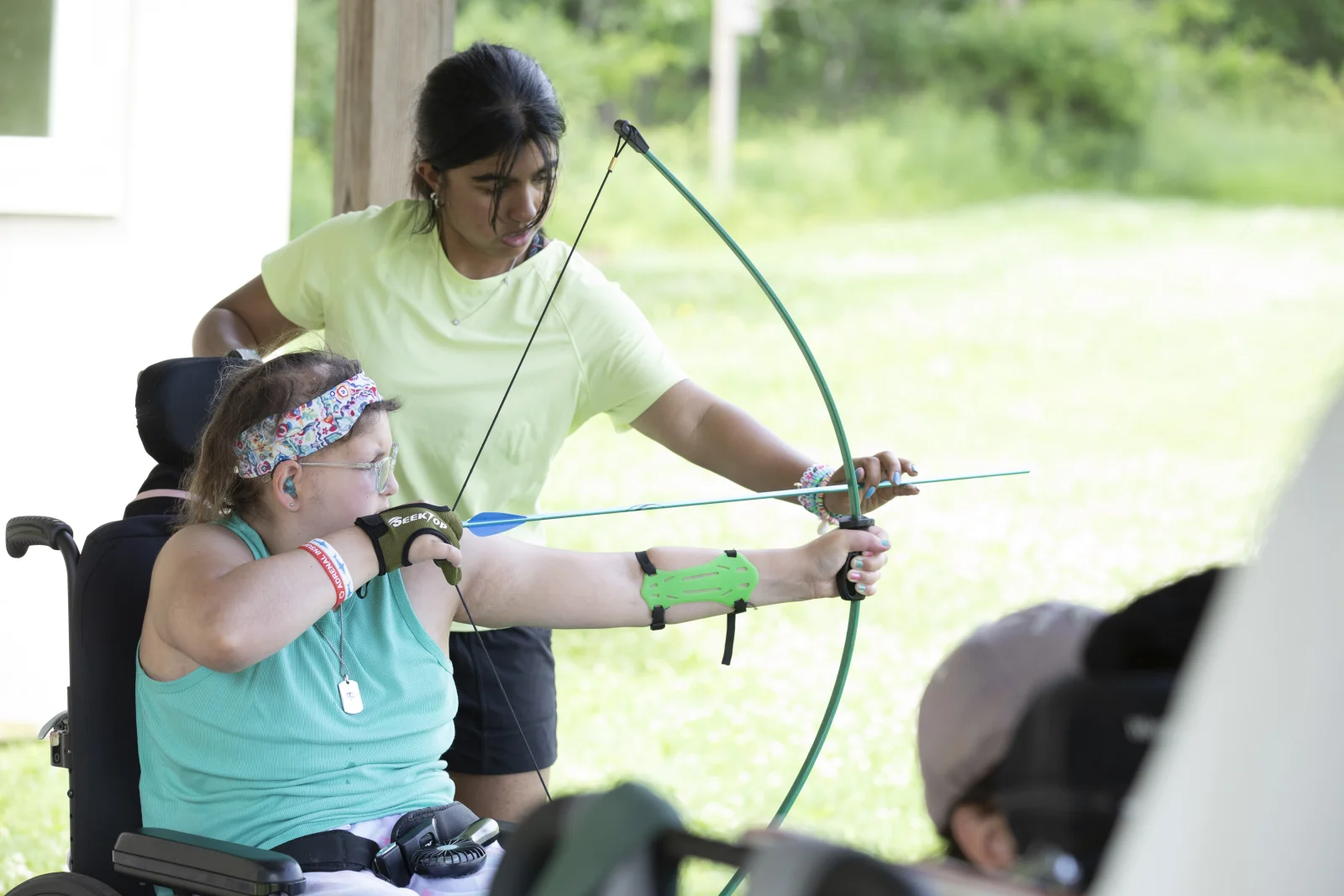
NPR recently highlighted the transformative impact of Camp Cranium—a specialized camp for young brain injury survivors—and the critical role federal policy plays in sustaining these lifesaving community networks.
NASHIA’s Executive Director, Rebeccah Wolfkiel, joined the conversation to emphasize why federal reauthorization of the Traumatic Brain Injury (TBI) Act is essential for state infrastructure, resource facilitation, and community-based programs nationwide.
Why this coverage matters: 🔹 Sustaining State Infrastructure: Federal TBI Act grants empower states to build and maintain vital screening, registry, and support networks. 🔹 Bridging Hospital to Community: Programs like Camp Cranium show what happens when policy and community support align to give young survivors space to thrive. 🔹 National Advocacy: As Congress considers the future of TBI legislation, elevating real-world impact is key to securing continued federal investment.
Read the full NPR story to learn how federal policy directly shapes local recovery and resilience. |
|
NASHIA LPA 2027 Applications Open |
|
|
|
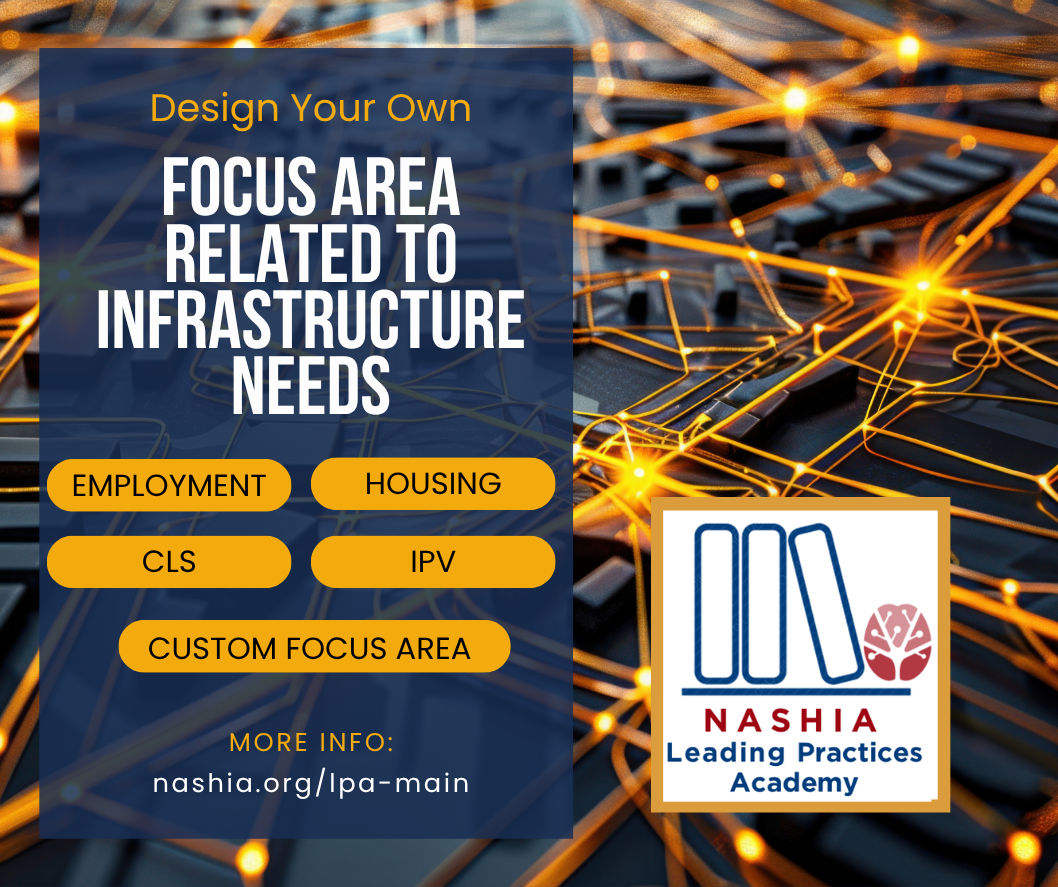
When it comes to building state-level brain injury infrastructure, cookie-cutter solutions rarely work. What works for a state expanding Medicaid HCBS waivers isn't what a state building criminal justice screening protocols needs.
That’s why NASHIA’s Leading Practices Academy (LPA) features a "Design Your Own" Technical Assistance pathway. |
|
|
|
Rather than fitting your agency into a rigid curriculum, the LPA allows state administrators, program directors, and interagency teams to build a tailored TA plan around your state’s highest-priority goals.
How the "Design Your Own" pathway works for your team: 🔹 Identify Your Target Bottleneck: Focus specifically on your state's immediate needs—whether that’s interagency agreements, data integration, waiver expansion, or justice-system diversion. 🔹 Access Subject Matter Experts: Partner directly with national leaders who have successfully executed the exact policy models you are trying to build. 🔹 Build Actionable Policy Deliverables: Walk away with concrete state plans, MOU frameworks, or funding strategies ready for implementation.
Custom-build the support your state needs to drive real systems change. |
|
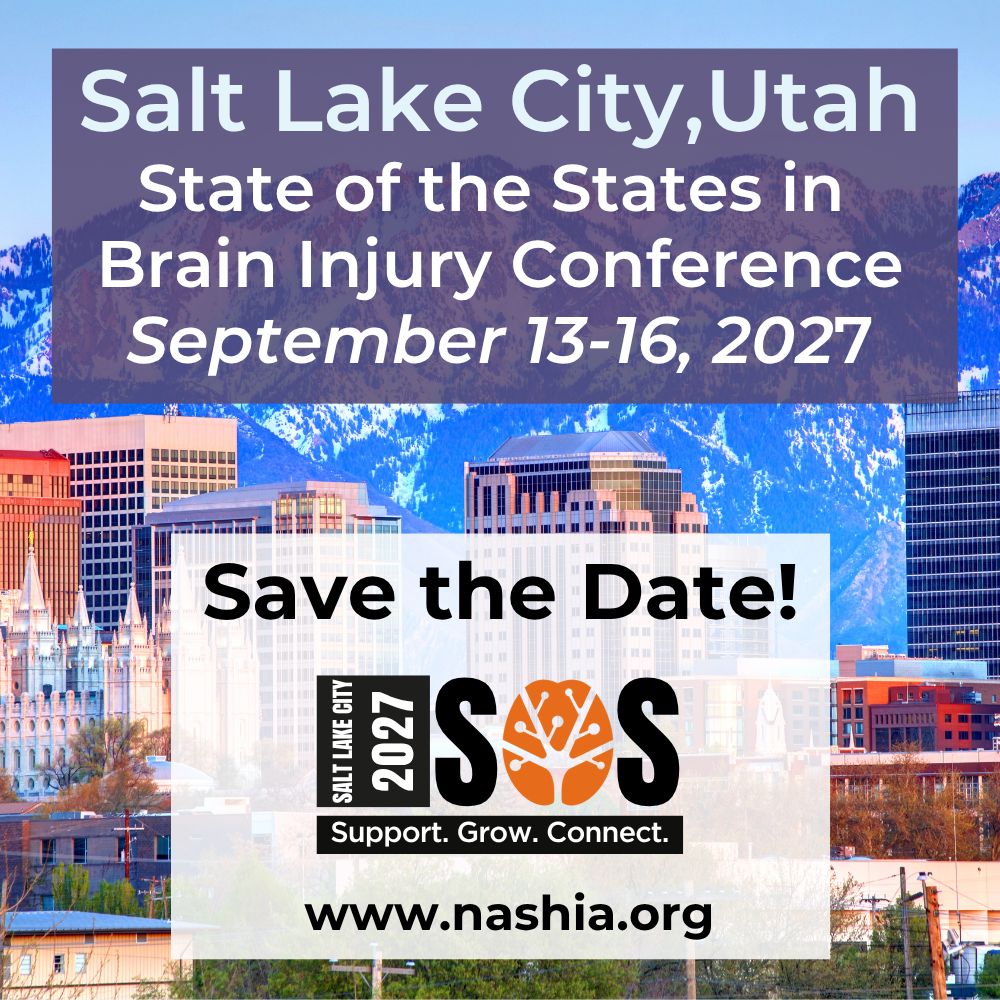
THE SECRET IS OUT!
Pack your bags and get ready to elevate your impact—the 2027 State of the States in Brain Injury Conference is officially heading to Salt Lake City, Utah!
From powerful keynotes and hands-on workshops to building lifelong connections with peers across the country, SOS 2027 is going to be an unforgettable gathering of state leaders, advocates, and providers.
More details coming soon! |
|
|
|
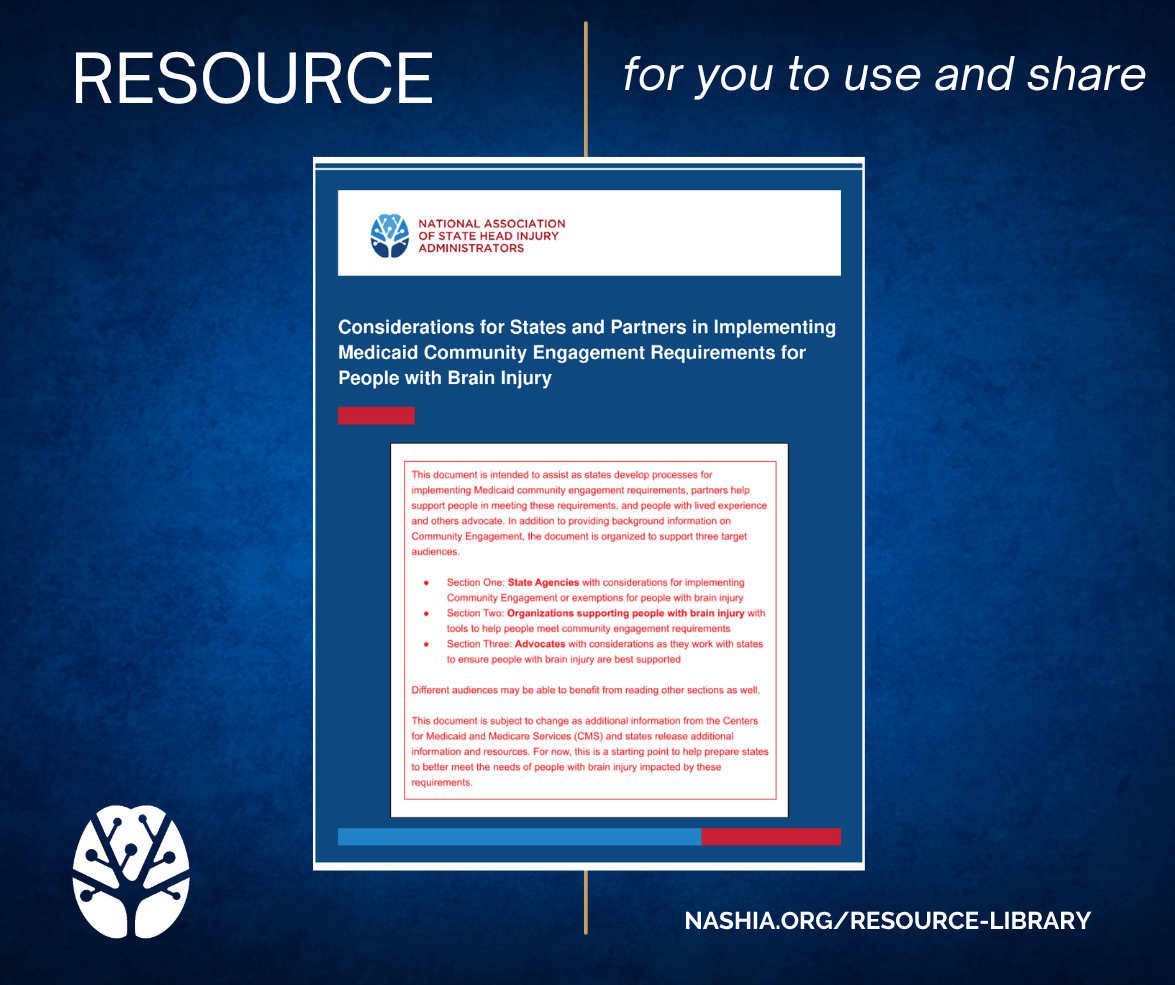
Medicaid community engagement requirements require certain beneficiaries to participate in qualifying activities, such as work, education, job training, or community service, or to qualify for an exemption.
During the State of the States in Brain Injury Conference, NASHIA released a resource that outlines considerations for states and partners in implementing these requirements in ways that recognize how brain injury may affect memory, |
|
|
|
communication, organization, behavior, and the ability to navigate complex systems. It includes tailored information for:
🔹 States: Considerations for designing and implementing policies, processes, exemptions, and supports that reflect the needs of people with brain injury while balancing guidance and requirements from the Centers for Medicaid and Medicare Services (CMS).
🔹 Organizations supporting people with brain injury: Steps organizations can take to educate individuals, help them understand and meet requirements, and address potential barriers to maintaining Medicaid coverage. 🔹 Advocates: Opportunities to inform implementation, seek transparency, and elevate the experiences of people with brain injury.
NASHIA encourages partners to utilize this resource and to reach out to Jill Ferrington or Zaida Ricker on the NASHIA team with any questions. |
|
|
|
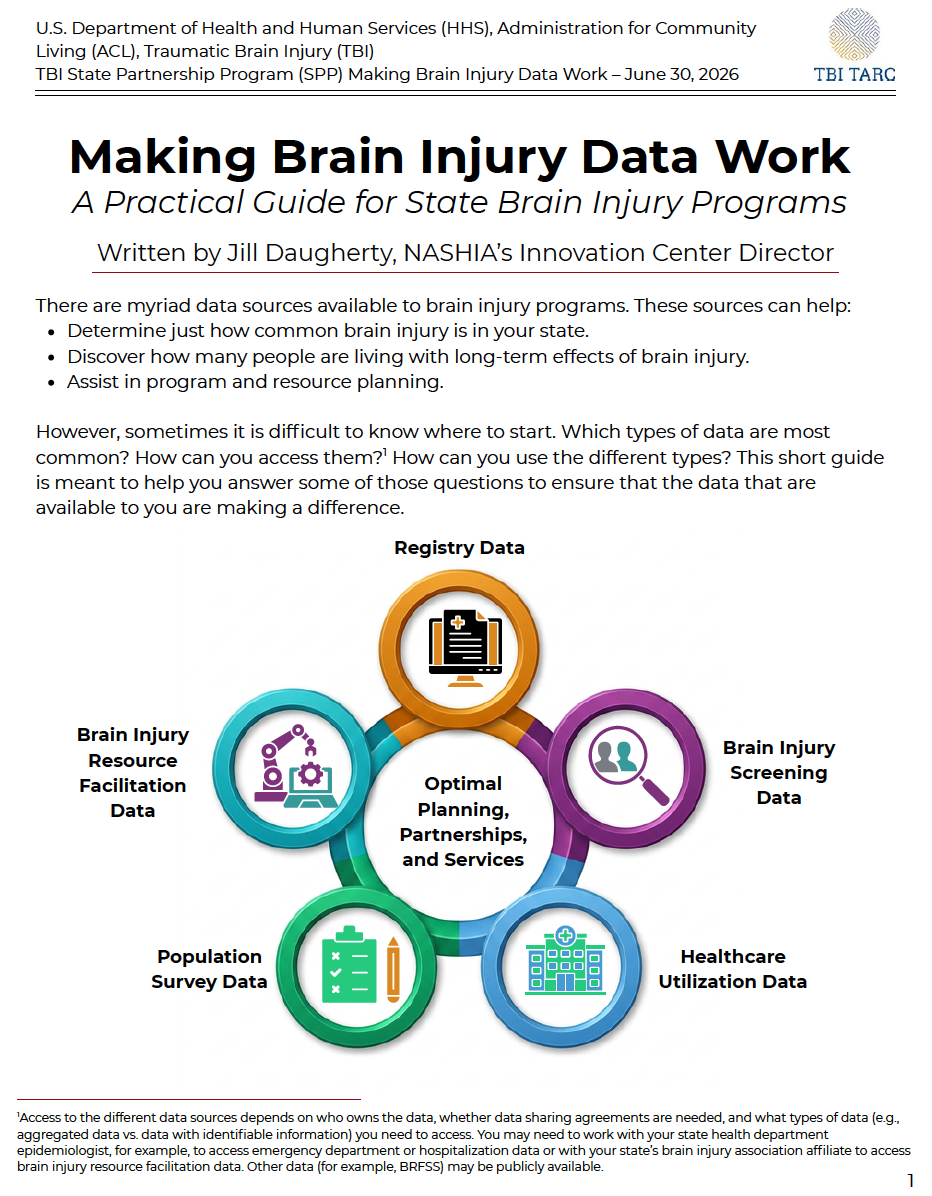
Data collection is only half the battle. The real challenge for state administrators, epidemiologists, and program managers is translating complex surveillance numbers into compelling narratives that secure funding, influence legislation, and expand care access.
That’s why the TBI Technical Assistance and Resource Center created Making Brain Injury Data Work!
This practical resource guide gives state leaders the exact strategies needed to turn raw brain injury registry data and public health statistics into high-impact communication tools. |
|
|
|
What you’ll learn inside this guide:
🔹 Data Translation Strategies: Frame surveillance statistics for diverse audiences—from legislators to community advocates. 🔹 Policy & Funding Justification: Use data-driven stories to support legislative appropriations and federal grant applications. 🔹 Cross-System Visuals: Clear frameworks for presenting complex TBI incidence, hospitalization, and follow-up care metrics.
Stop letting valuable state data go underutilized. Turn your metrics into actionable systems change! |
|
|
|
Community of Practice: Integrating Brain Injury into Certified Community Behavioral Health Clinic (CCBHC) Systems
Sessions run through Feb 2027 Customized TA starts any time. |
|
|
Want to build upon your CCBHC efforts? NASHIA can help! We’ve assembled technical assistance packages, from foundational to fully customized support, to meet your needs.
Tier 1: Foundational/Group-Based Support Baseline for action and building shared understanding.
Tier 2: Blended Group and State-Specific Support Intermediate option supporting movement from exploration to implementation.
Tier 3: Intensive/Fully Customized State Support Full-service option to drive systems change and long-term sustainability. |
|
|
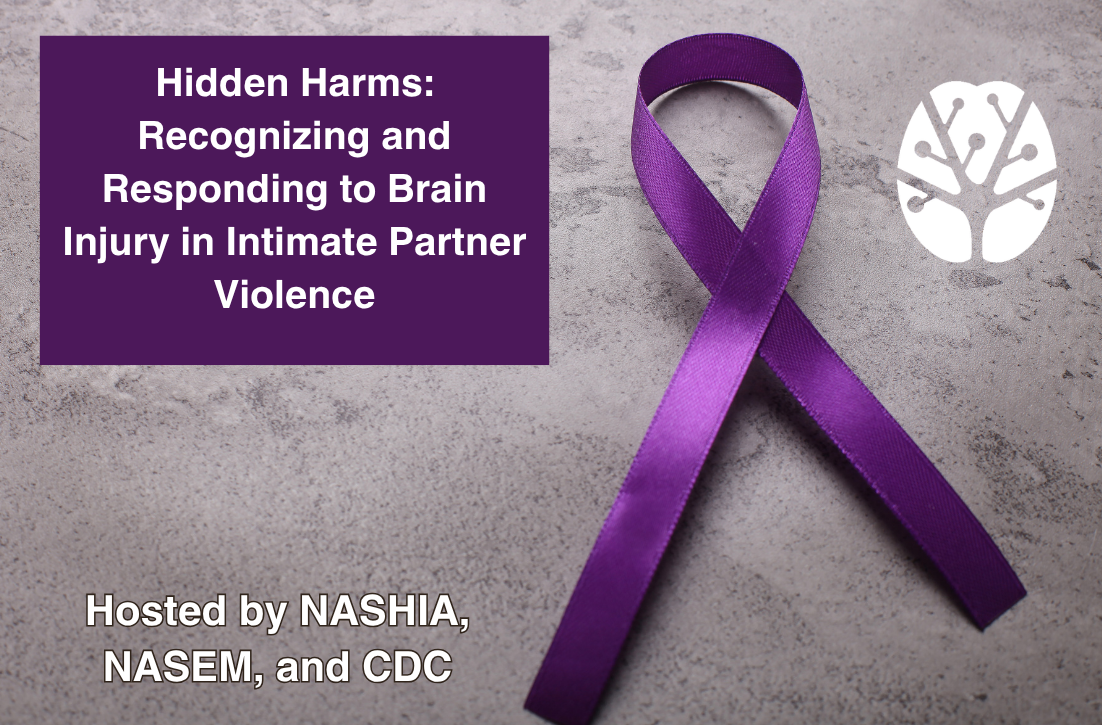
Hidden Harms: Recognizing and Responding to Brain Injury in Intimate Partner Violence
October 29, 2026 2:00pm - 3:00pm ET |
|
|
Save the Date! Registration opens soon!
Hosted by NASHIA, NASEM, and CDC.
Join us for an engaging session exploring the intersection of IPV and brain injury and why recognizing this often-hidden injury is essential to providing effective support. The session will also feature a description of CDC's Hidden Harms training, highlighting evidence-based tools and resources that professionals can use to better recognize brain injury and support survivors across healthcare settings. |
|
|
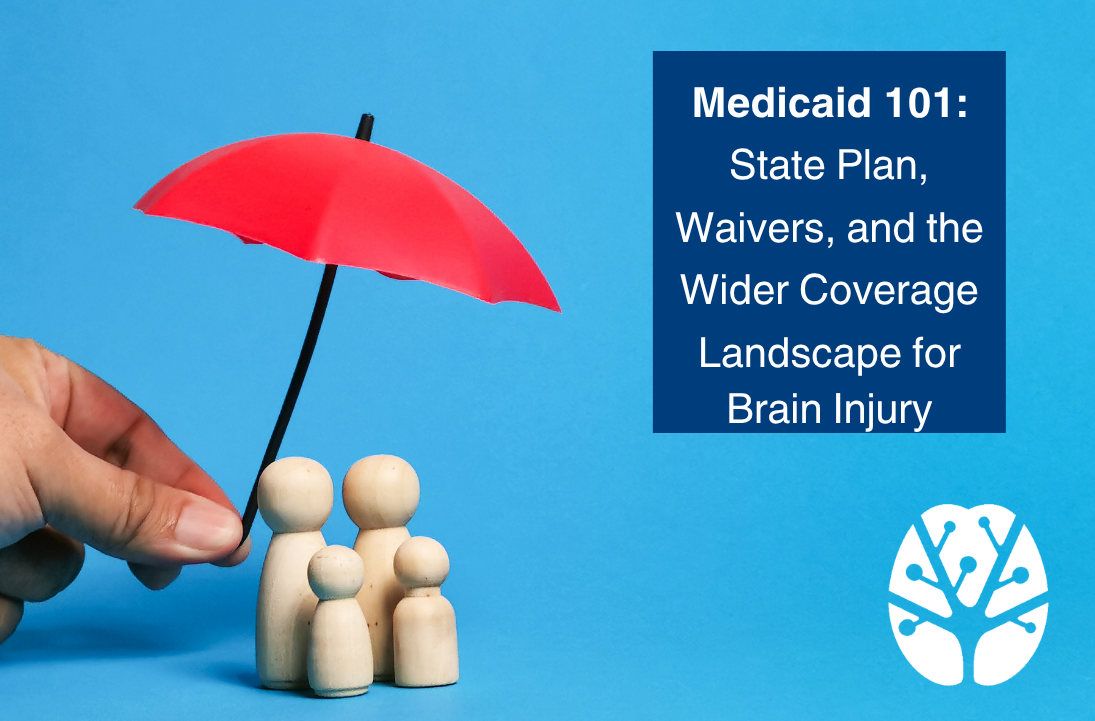
Medicaid 101: State Plan, Waivers, and the Wider Coverage Landscape for Brain Injury
November 5, 2026 1:00pm - 3:00pm ET |
|
|
Understanding how people with brain injury access services can feel like navigating a maze - State Plan Medicaid, numerous types of HCBS waivers, lesser-known options like the 1915(i), private insurance gaps, Medicare rules, and a policy landscape that is constantly shifting.
This two-hour session cuts through the complexity for brain injury administrators and their community partners, offering a clear, practical map of where coverage actually comes from and how to make it work for the people you serve. |
|
|
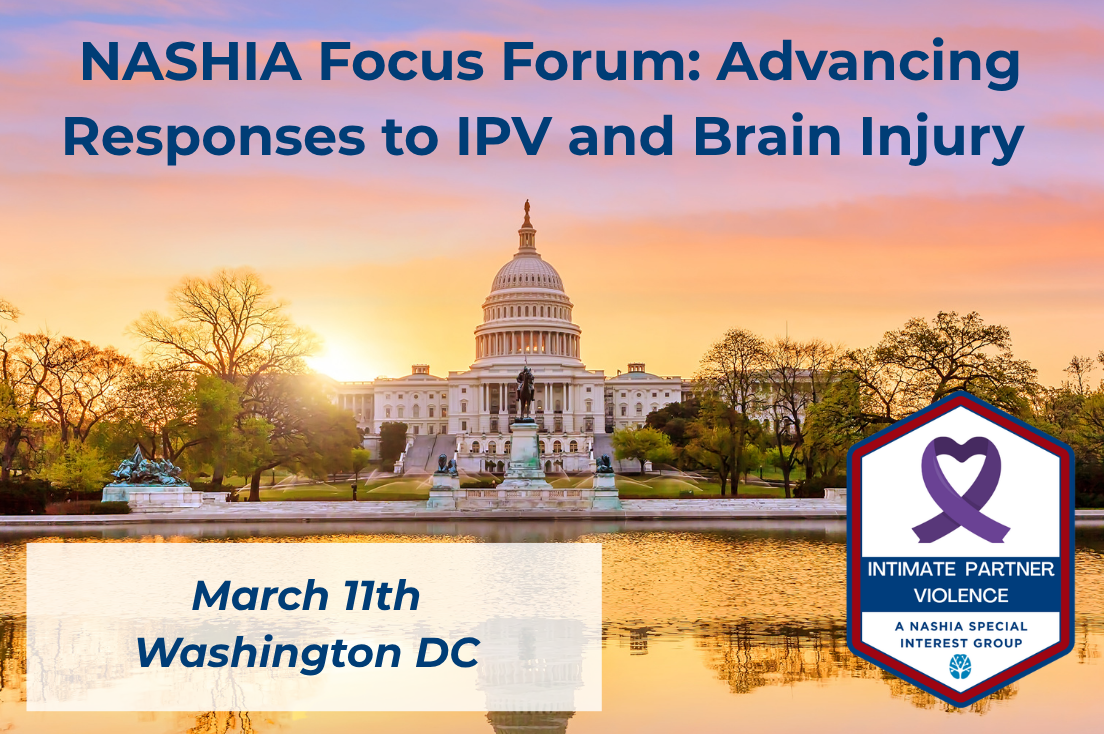
NASHIA Focus Forum: Advancing Responses to IPV and Brain Injury
March 11, 2027 8:00am - 3:00pm ET Washington, DC |
|
|
Save the Date! Registration opens soon!
This national workshop will bring together brain injury and intimate partner violence professionals, state programs, researchers, and national partners to explore the intersection of IPV and brain injury and its impact across diverse communities. Participants will learn about emerging research, national initiatives, and promising practices—including work with children and youth, Indigenous communities, and individuals experiencing human trafficking—while gaining practical strategies and tools to strengthen identification, response, collaboration, and services. |
|
|
Exploring the New 1915(c)(11) Waiver Opportunity: What States Should Consider and How NASHIA Can Help |
|
|
A new Medicaid 1915(c)(11) waiver authority (effective July 1, 2028) lets states serve people with brain injury who don't meet an institutional level of care — a population that often falls through the cracks of existing HCBS eligibility pathways. This resource outlines key factors states should weigh and how NASHIA can help with waiver design, stakeholder engagement, and preparation for the CMS application process. |
|
|
Motivational Interviewing and Brain Injury: A Guide to Supporting Change in the Criminal Legal System |
|
|
Individuals involved in the criminal legal system often experience brain injury, which can affect communication, memory, decision-making, and the ability to successfully meet supervision requirements. This practical guide helps professionals recognize the impact of brain injury and apply motivational interviewing strategies to improve engagement, support successful outcomes, and enhance community safety. |
|
|
Guide to State Government Program Brain Injury Policies, Funding, and Services |
|
|
Newly updated for 2026! The Guide to State Government Program Brain Injury Policies, Funding, and Services is meant to provide an overview of each state system of care for people with brain injury across the nation. It contains contact information and an overview of the services and programs available in each state, including the Lead State Agencies on Brain Injury, Advocacy Organizations, Medicaid Waiver Programs, and Brain Injury Advisory Councils. |
|
|
From Screening to Systems Change: Nebraska’s Juvenile Justice Brain Injury Initiative |
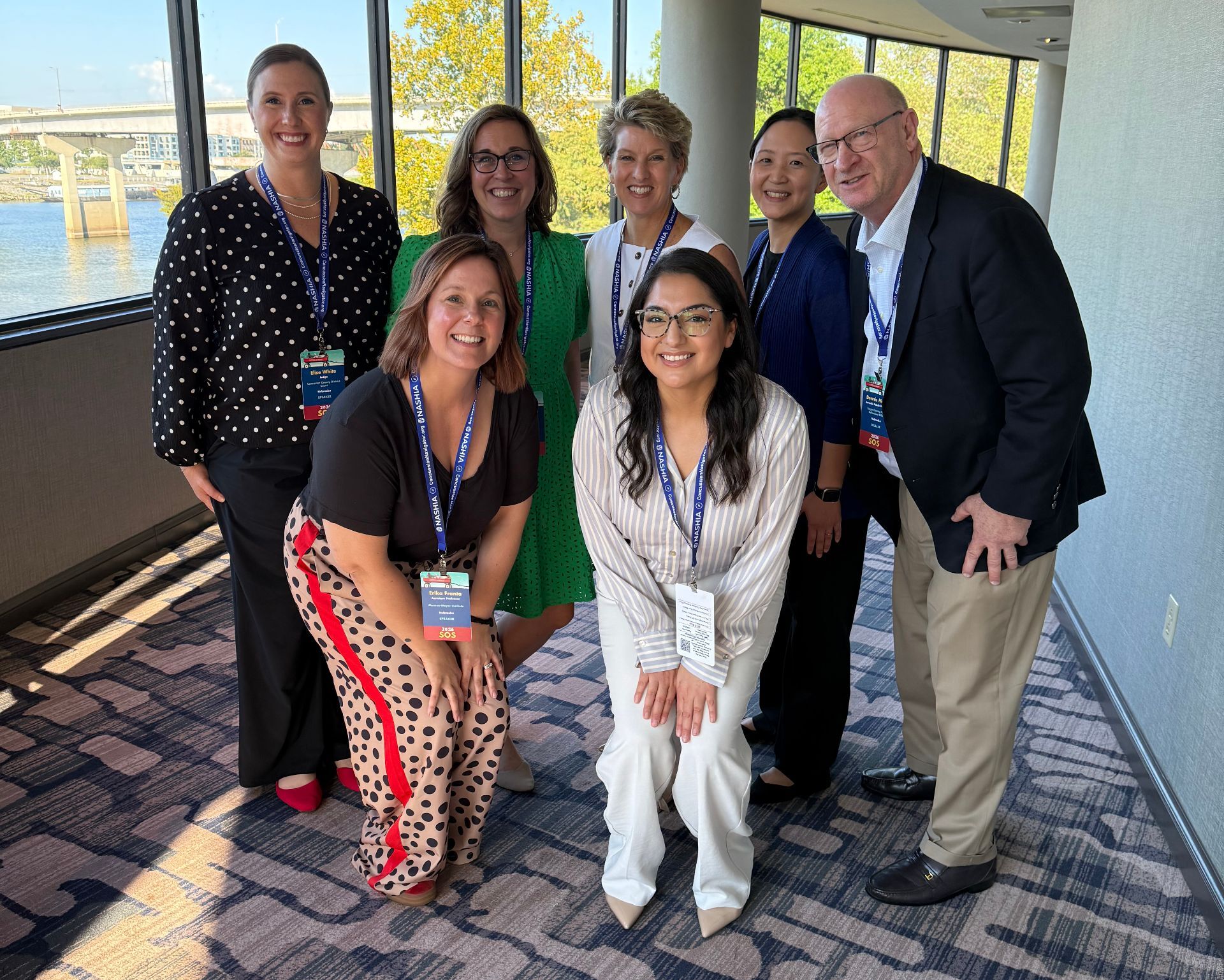
Nebraska partners who presented Breaking the Cycle: Brain Injury Screening and Support for Youth in the Justice System at the 2026 NASHIA State of the States Conference in Little Rock, Arkansas. Front row left to right - Dr. Erika Franta, Dr. Abril Rangel-Pacheco, Back row left to right- Judge Elise White, Judge Sarah Moore, Peggy Reisher, Dr. Kathy Chiou, Dennis Marks J.D |
Over the past several years, the Brain Injury Association of Nebraska (BIA-NE) and our partners have been working to better identify and support youth with brain injury who are involved in the juvenile justice system. What began with learning, relationship-building, and technical assistance has grown into Breaking the Cycle: Brain Injury Screening and Support for Youth in the Justice System, a collaborative project supported by the Sherwood Foundation. NASHIA has played an important role in that journey. Through the Leading Practices Academy (LPA), ongoing technical assistance, and the development of the Online Brain Injury Screening and Support System (OBISSS), NASHIA has helped Nebraska move from recognizing the prevalence of brain injury among justice-involved youth to developing a systematic response. Today, BIA-NE and our partners are using the OBISSS in juvenile justice settings to help identify youth with possible brain injury and better understand how those injuries may affect behavior, learning, communication, emotional regulation, and decision-making. From January 2025 through May 2026, 318 Nebraska youth were screened, and 84% met the OBISSS criteria for a positive screen. But screening is only the beginning. Our goal is systems change—helping juvenile justice professionals look beyond behavior and ask what may be contributing to it. The project brings together brain injury professionals, juvenile justice staff, judges, attorneys, researchers, clinicians, and other community partners to connect identification with meaningful support. Depending on a youth’s needs, that can include further cognitive screening, individualized recommendations and strategies, education, Resource Facilitation, and connections to services for youth and their families. Early cognitive screening findings have reinforced just how important that individualized approach is: no two youth profiles in the initial sample were identical. Members of our Nebraska team recently had the opportunity to share this work at the 2026 NASHIA State of the States Conference in Little Rock, Arkansas. It was especially meaningful to present this project to the NASHIA community because NASHIA’s support has helped shape this work from its earliest stages. Nebraska’s experience is a great example of what can happen when national expertise, state partnerships, and local implementation come together: knowledge becomes practice, screening leads to support, and systems begin to respond differently to youth with brain injury. Learn more or connect with us:
Brain Injury Association of Nebraska
844-423-2463 |
|
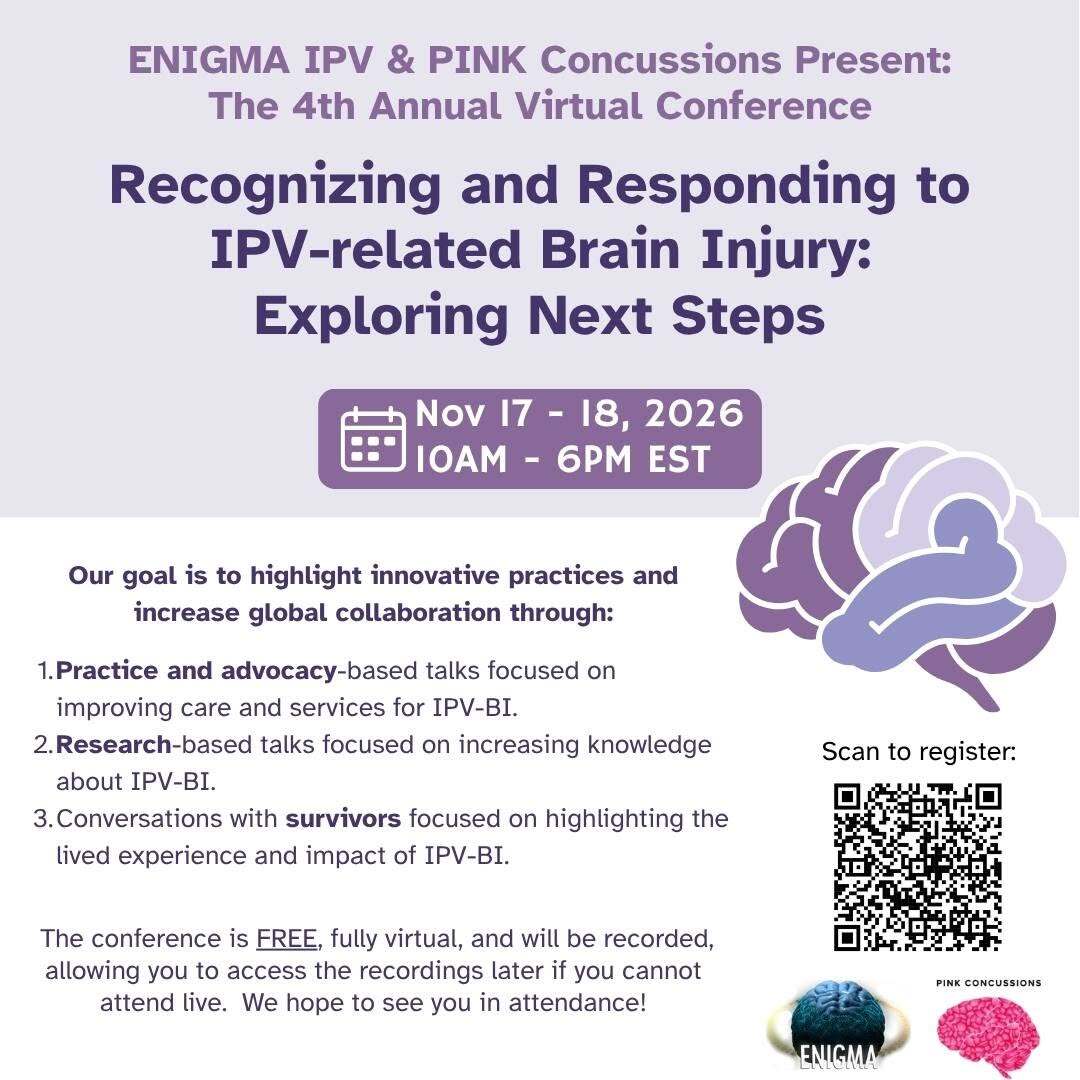
Recognizing and Responding to IPV-related Brain Injury: Exploring Next Steps |
Registration is officially live for ENIGMA IPV and PINK Concussions Virtual Intimate Partner Violence and Brain Injury Conference!
This year, they are offering another incredible group of speakers who will present at the 4th Annual Virtual Conference, Empowering Innovation: Highlighting Promising Practices in Intimate Partner Violence & Brain Injury Research, Recognition, and Response!
When: November 17 – 18, 2026, 10AM – 6 PM EST Where: Zoom
The conference is FREE, fully virtual, and will be recorded, allowing you to access the recordings later if you cannot attend live. |
|
You received this email because you subscribed to our list. You can unsubscribe at any time. PO Box 59165 Potomac, MD 20859 USA |
|
|
|