|
|
|
|
Welcome to NASHIA Connections!
The monthly newsletter for everything NASHIA.
You are receiving this newsletter because you are a valued partner in the brain injury community and with NASHIA.
This issue includes LOTS OF NEW items from NASHIA and partners - publications, initiatives, products, programs, and resources! Plus, a look ahead to our 2027 opportunities. |
|
|
|
|
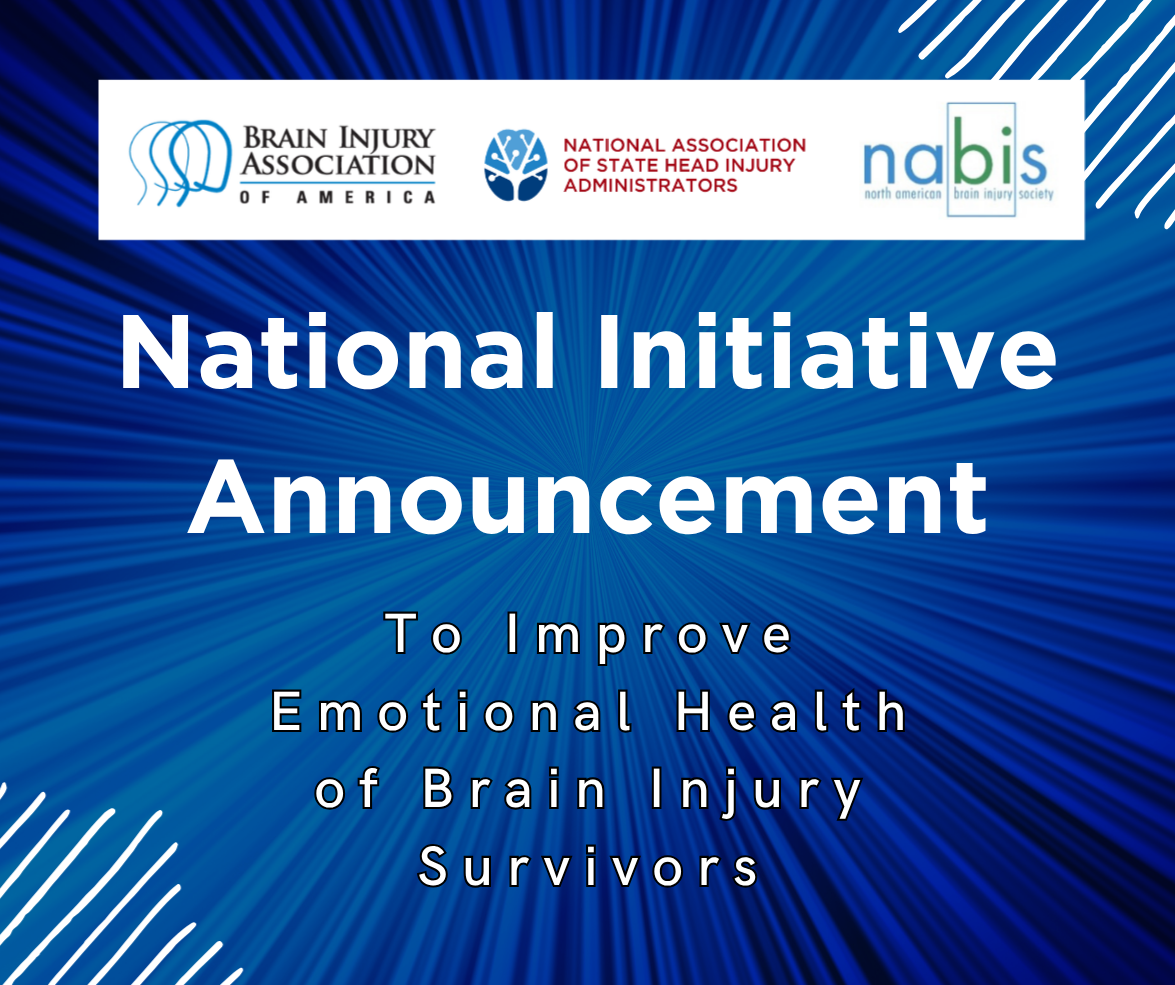
Emotional health challenges are among the most common and lasting consequences of brain injury.
Adults and children with brain injury face a higher risk of depression, anxiety, PTSD, and substance use disorder. And these challenges don’t show up at one moment in time, so no single intervention can address them. |
|
|
|
That’s why we’re launching A National Initiative to Advance Brain Health, Emotional Well-Being, and Living Well After Brain Injury.
Our shared goal: prevent and address emotional health challenges for people living with brain injury and their caregivers.
Our approach covers four touchpoints: Prevention Identification Clinical response Connection to services
Together, we’re building a scalable, integrated approach to emotional health after brain injury, because recovery is about more than the injury itself. |
|
|
|
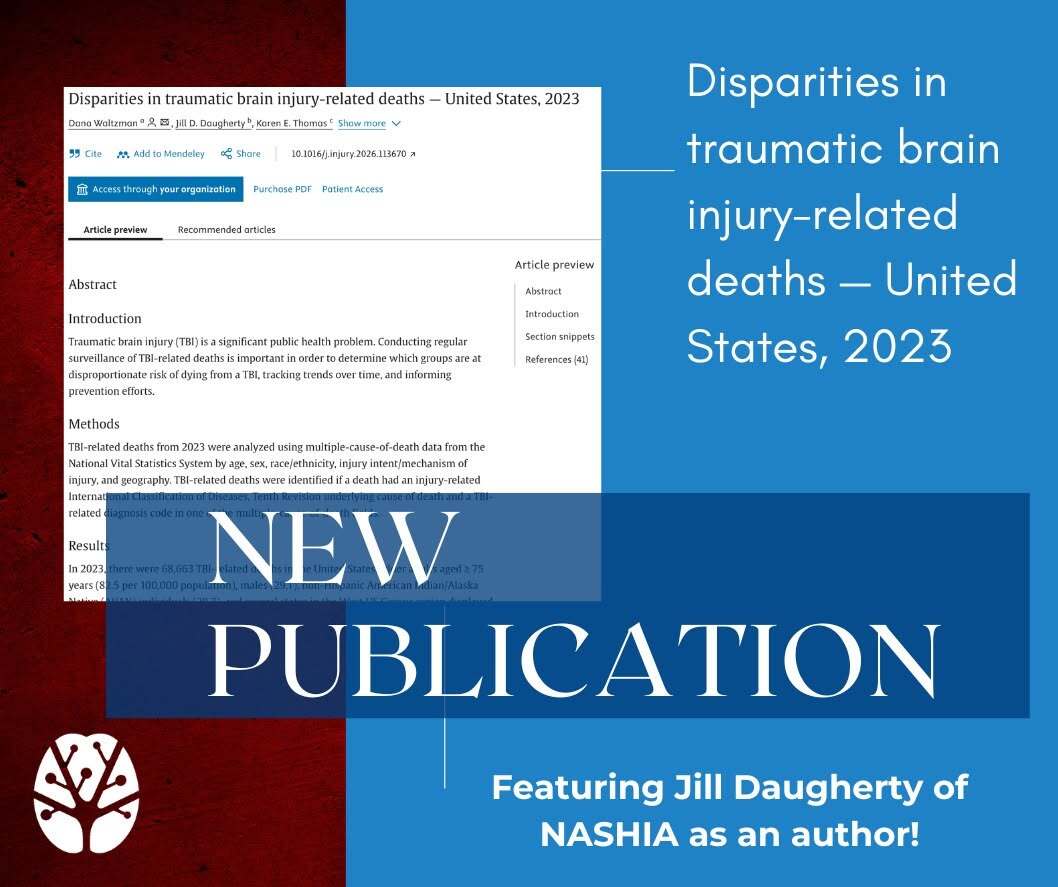
Congratulations to NASHIA Innovation Center Director Jill Daugherty and co-authors on the publication of:
Disparities in traumatic brain injury-related deaths — United States, 2023. |
|
|
|
Traumatic brain injury continues to be a significant cause of death in the United States, but the risk is not the same for everyone. A new study examined the nearly 69,000 TBI-related deaths in 2023 and found important differences by age, sex, race and ethnicity, and cause of injury. Overall, suicide and unintentional falls were the leading contributors to TBI-related deaths, while older adults, males, and American Indian/Alaska Native people experienced the highest rates. The findings also show that the causes of TBI-related deaths vary considerably across different populations. For example, suicide was particularly prominent among many working-age groups, while falls accounted for the vast majority of TBI-related deaths among adults age 75 and older. Understanding these differences can help communities and policymakers identify where prevention efforts and resources are most needed. |
|
|
|
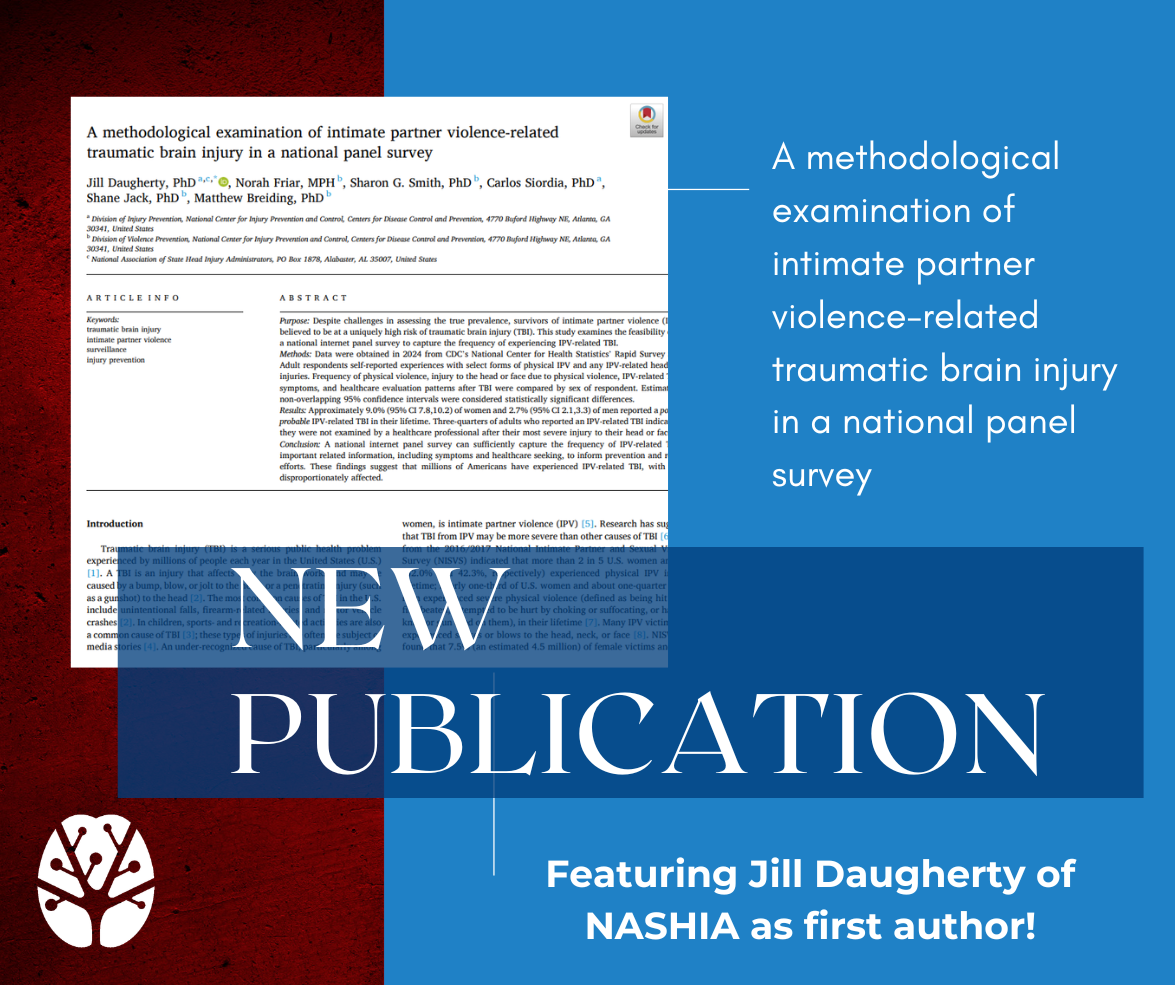
A second congratulations to NASHIA Innovation Center Director Jill Daugherty and co-authors on the publication of:
A methodological examination of intimate partner violence-related traumatic brain injury in a national panel survey. |
|
|
|
This study evaluates whether national online surveys can effectively measure how often intimate partner violence (IPV) results in traumatic brain injury (TBI). Analyzing responses from over 8,700 U.S. adults in the CDC's Rapid Surveys System, researchers found that an estimated 6.0% of all U.S. adults have experienced an IPV-related TBI in their lifetime, demonstrating that internet panel surveys are a viable method for capturing the scope, symptoms, and medical response to these injuries. Overall, the results indicate that millions of Americans - disproportionately women - are affected, yet the vast majority go without a medical evaluation due to underestimating the severity of the injury or being actively blocked from seeking care by an abusive partner. |
|
|
|
A major milestone for brain injury awareness and care: the first international consensus recommendations for traumatic brain injury (TBI) in first responders are now published. Developed by an interdisciplinary team of researchers, clinicians, first responders, people with lived experience, and policy and organizational experts, this work establishes an important foundation for recognizing, treating, and preventing brain injuries among law enforcement, firefighters, and EMS personnel. |
|
|
|
NASHIA contributed brain injury subject matter expertise as co-authors and helped design and facilitate the Delphi consensus process that brought experts together to develop and refine the recommendations.
Those who dedicate their lives to protecting and serving our communities deserve the knowledge, resources, and systems needed to protect their own health and safety. These recommendations are an important step toward ensuring that first responders can access timely care, recover safely, and return to duty when they are ready. |
|
New Medicaid Advocacy Video Series |
|
|
|
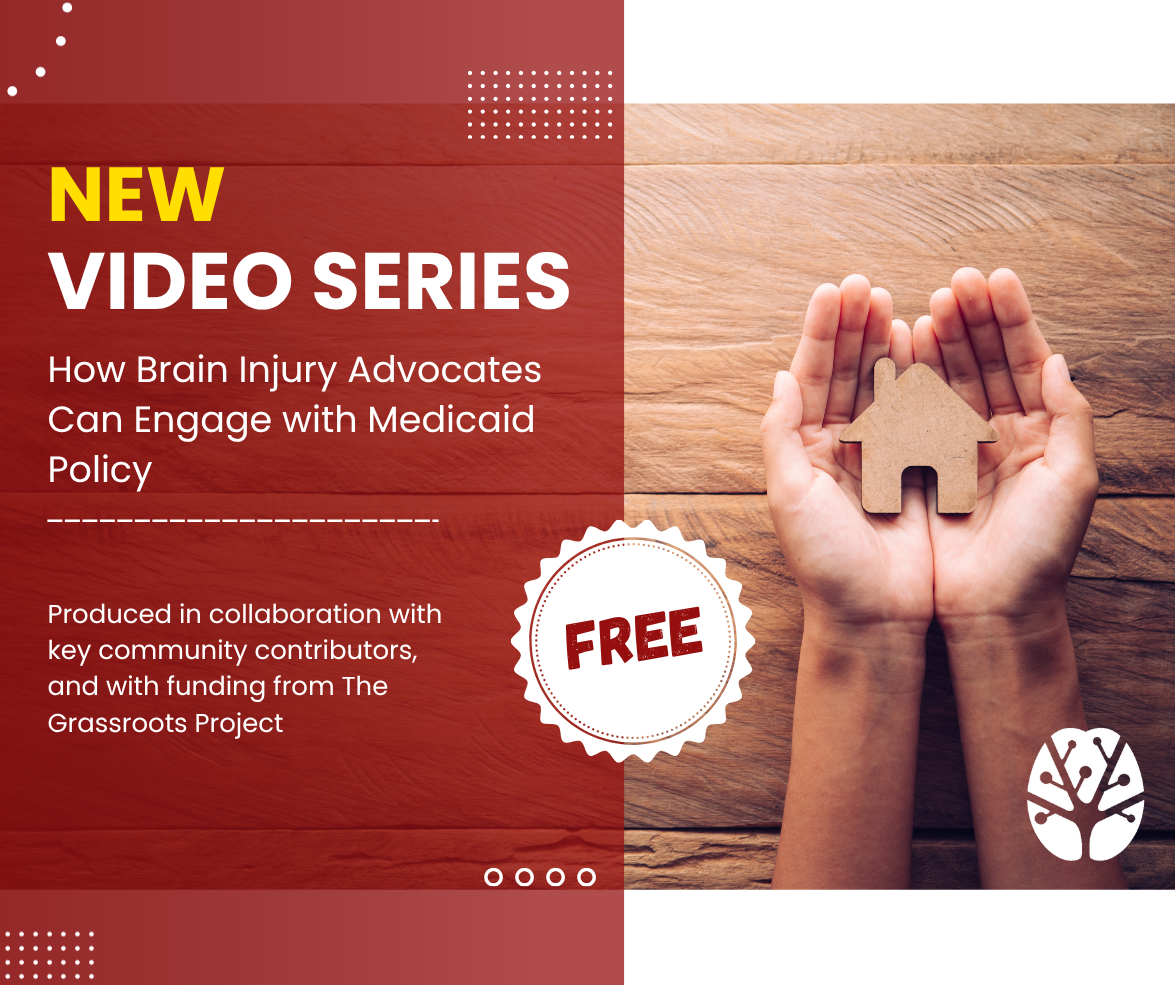
NASHIA, with funding from The Grassroots Project, is pleased to share a new seven-part video series focused on Medicaid advocacy.
Medicaid policies can significantly affect whether people with brain injury can access the services and supports they need. However, the policymaking process can often feel complicated or difficult to navigate. |
|
|
|
This series makes advocacy more approachable by explaining key Medicaid issues, introducing practical ways to participate, and showing how lived experience and data can help influence decisions.
The videos emphasize an important message: You do not need to be a policy expert to be an effective advocate. Whether you share your story, submit public comments, participate on an advisory council, contact a legislator, or use data to raise awareness, your perspective can help shape better policies.
Special thanks to key contributors Eric Washington, a brain injury advocate, Derek Fales, Associate Director, Developmental Disabilities and Brain Injury Services in Maine, and Evan Folan, a brain injury advocate. |
Need to start with some Medicaid basics before diving into advocacy? Join us for our Medicaid 101 Workshop on November 5th! |
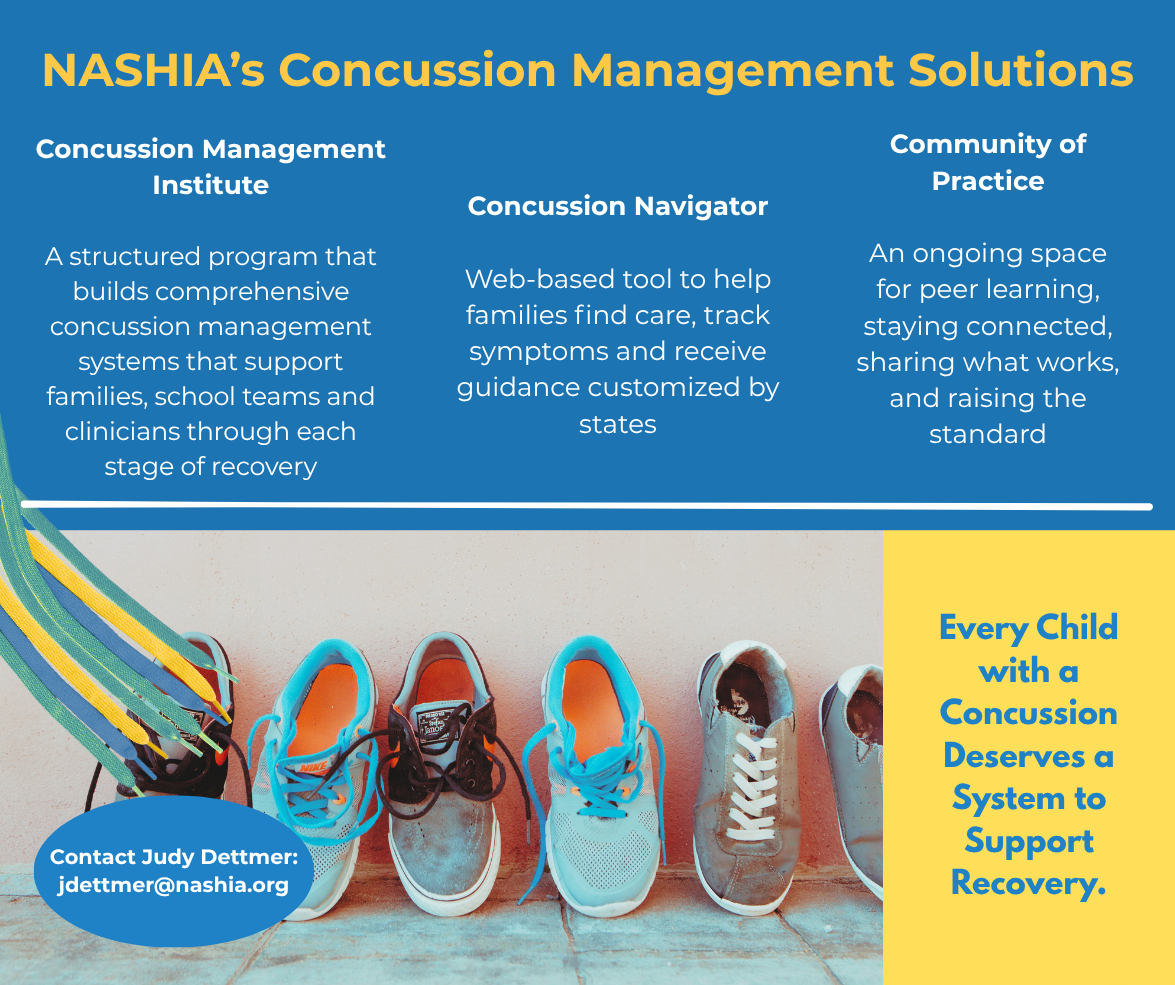
NASHIA's Concussion Management Solutions |
|
Announcing a new program from NASHIA! States, districts, and clinical partners have the power to shape how a child recovers from a concussion. When the right systems are in place, children return to learning, return to play, and thrive. The opportunity is in building systems that put that power into practice for every student, in every district, across every community.
Every state has a law. Very few have a plan.
The Concussion Management Solutions are here to change that. These solutions give states, school districts, concussion clinics, and children’s hospitals the framework, resources, and peer network to build comprehensive concussion management systems that protect every student, from injury through recovery. |
Celebrating the 2026 Moody Prize Event |
|
|
|
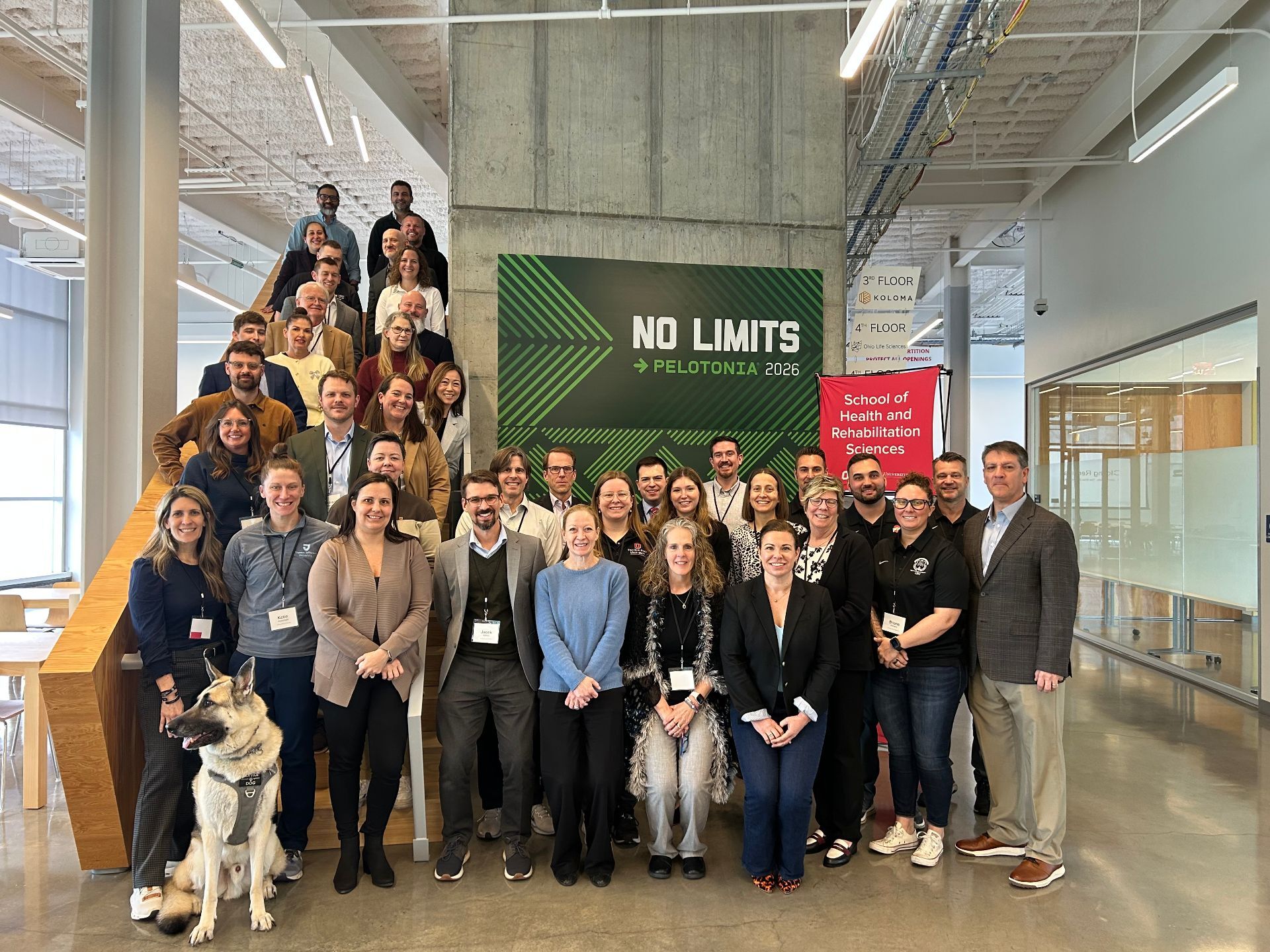
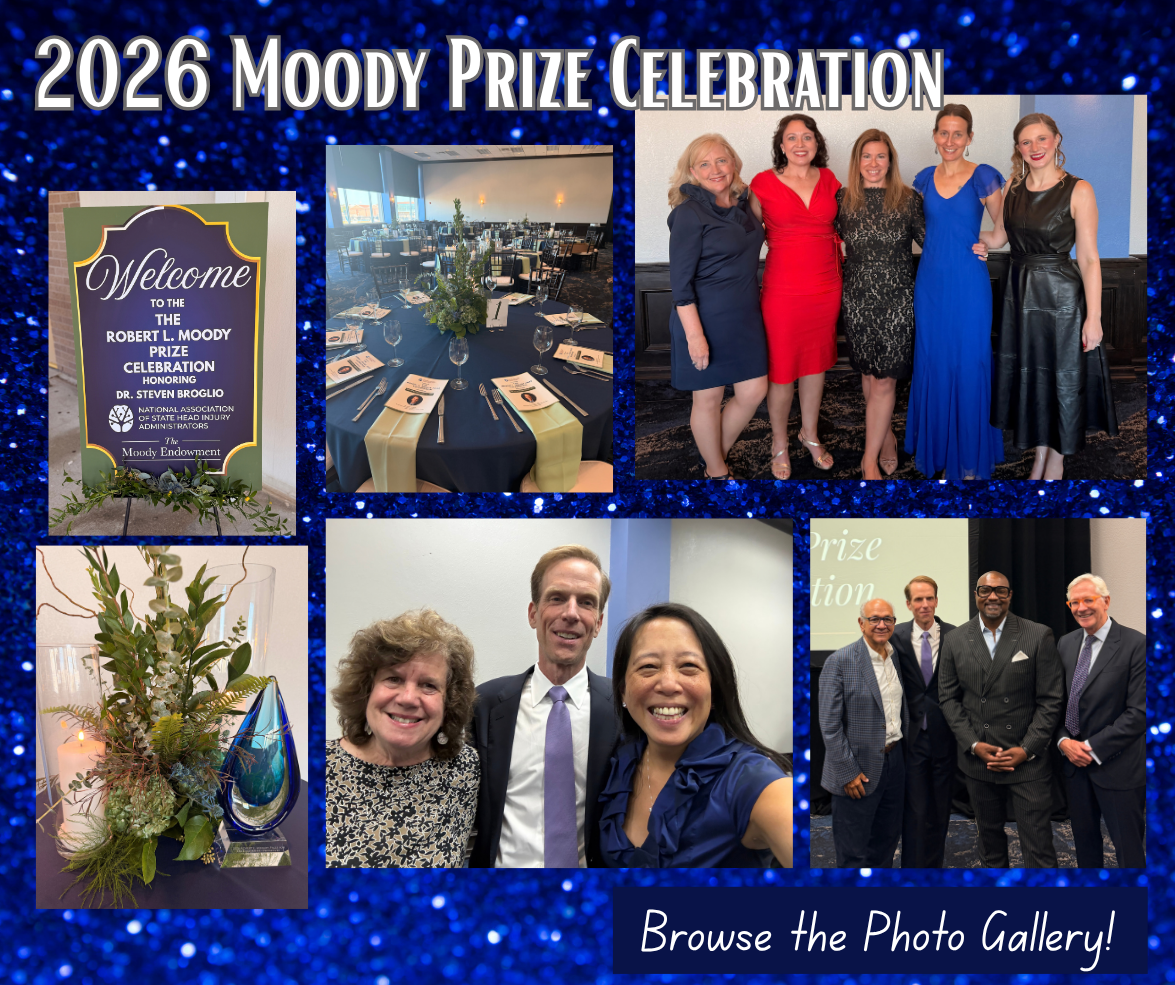
What an evening of connection, inspiration, and celebration! 💙
On September 28, more than 100 guests from across the country gathered in Houston for the 2026 Moody Prize Celebration, hosted by NASHIA, to honor Dr. Steven Broglio with the Robert L. Moody Prize for Distinguished Initiatives in Brain Injury. Congratulations to Dr. Broglio for his extraordinary contributions to concussion research, care, and education! |
|
|
|
Our heartfelt thanks to the Moody Endowment for making this gathering possible. President Stefan Stamoulis shared the Moody family’s enduring commitment to the brain injury community, a meaningful reminder of the care, generosity, and shared purpose behind this celebration.
A special thanks to Bryan Clinton for sharing his story of recovery, keynote speaker Jarrett Irons for joining to share personal reflections on concussion and Dr. Brian Hainline and Ashley Rettman for helping honor Dr. Broglio’s impact.
Together, we celebrated progress and strengthened our commitment to a future where everyone affected by brain injury has opportunities to thrive. Enjoy these moments from a truly special evening! |
NASHIA's Collaborative on Children's Brain Injury Special Interest Group |
|
The next NCCBI SIG meeting is on 11/3 at 2:00pm ET. The meeting is open to all NCCBI SIG members.
Jennifer Lundine, PhD, CCC-SLP, at The Ohio State University will be presenting: Helping Young Children after Acquired Brain Injury: Best Practices in Identification and Intervention
This talk will discuss the critical role professionals play in identifying and treating young children with ABI prior to entering kindergarten. It will review the symptoms unique to young children and share practical strategies to support these children in a variety of settings. The presenter will also discuss the importance of structured transition planning as children enter kindergarten. Following the talk NCCBI participants will discuss what their state organizations are doing to support young children with ABI.
NASHIA/NCCBI SIG Members - check your email for the meeting invite!
If you are interested in joining this member-only SIG, please share your interest with us here. |
|
|
|
Medicaid 101: State Plan, Waivers, and the Wider Coverage Landscape for Brain Injury
November 5, 2026 1:00pm - 3:00pm ET |
|
|
Understanding how people with brain injury access services can feel like navigating a maze - State Plan Medicaid, numerous types of HCBS waivers, lesser-known options like the 1915(i), private insurance gaps, Medicare rules, and a policy landscape that is constantly shifting.
This two-hour session cuts through the complexity for brain injury administrators and their community partners, offering a clear, practical map of where coverage actually comes from and how to make it work for the people you serve. |
|
|
NASHIA's Leading Practices Academy
Runs Jan - Dec, 2027 Application deadline Nov 20th. |
|
|
LPA participants receive strategic and customized technical assistance to explore, develop, or implement protocol and practices aimed at improving outcomes for systems engaged individuals with brain injury. NASHIA supports goal development, creation of a tailored work plan and logistical efforts related to scheduling and partner outreach.
The LPA includes an orientation, three presentations by subject matter experts available only to LPA participants and partners, individual state team/lead team meetings and an end of year summit. |
|
|
Community of Practice: Integrating Brain Injury into Certified Community Behavioral Health Clinic (CCBHC) Systems
Sessions start February 2027. Customized TA starts any time. |
|
|
Want to build upon your CCBHC efforts? NASHIA can help! We’ve assembled technical assistance packages, from foundational to fully customized support, to meet your needs.
Tier 1: Foundational/Group-Based Support Baseline for action and building shared understanding.
Tier 2: Blended Group and State-Specific Support Intermediate option supporting movement from exploration to implementation.
Tier 3: Intensive/Fully Customized State Support Full-service option to drive systems change and long-term sustainability. |
|
|
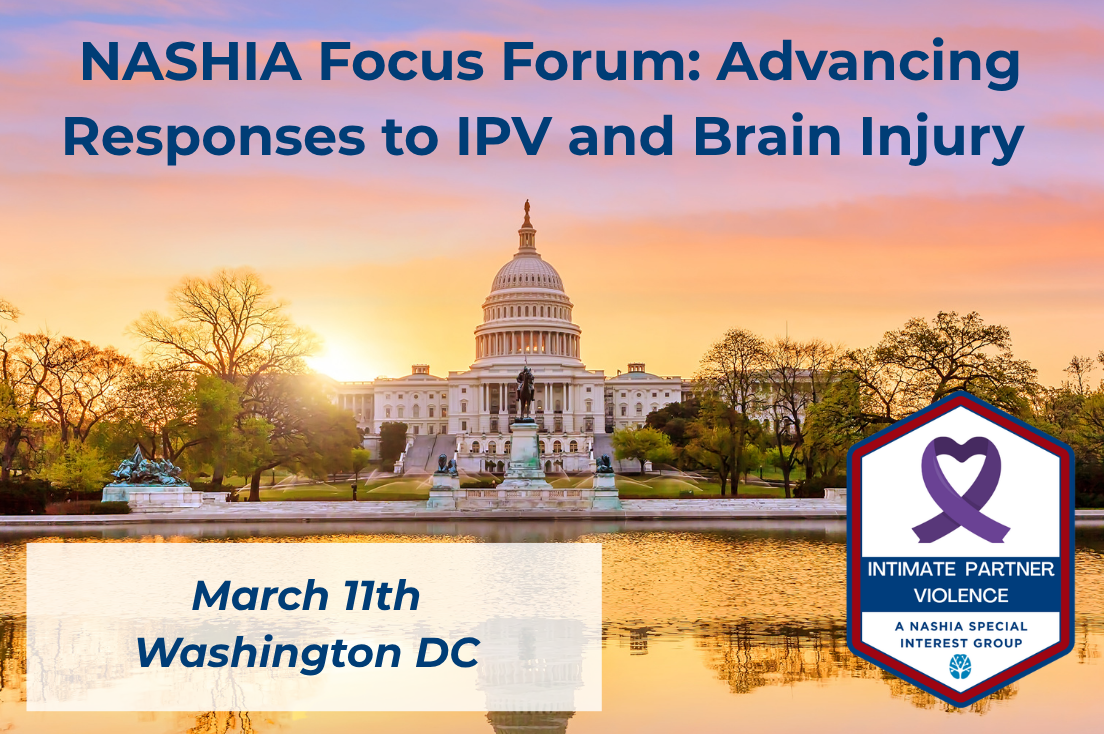
NASHIA Focus Forum: Advancing Responses to IPV and Brain Injury
March 11, 2027 8:00am - 3:00pm ET Washington, DC |
|
|
This national workshop will bring together brain injury and intimate partner violence professionals, state programs, researchers, and national partners to explore the intersection of IPV and brain injury and its impact across diverse communities. Participants will learn about emerging research, national initiatives, and promising practices—including work with children and youth, Indigenous communities, and individuals experiencing human trafficking—while gaining practical strategies and tools to strengthen identification, response, collaboration, and services. |
|
|
Considerations for States and Partners in Implementing Medicaid Community Engagement Requirements for People with Brain Injury |
|
|
Medicaid community engagement requirements require certain beneficiaries to participate in qualifying activities, such as work, education, job training, or community service, or to qualify for an exemption.
This resource outlines considerations for states and partners in implementing these requirements in ways that recognize how brain injury may affect memory, communication, organization, behavior, and the ability to navigate complex systems. |
|
|
Making Brain Injury Data Work |
|
|
There are myriad data sources available to brain injury programs. These sources can help, Determine just how common brain injury is in your state, discover how many people are living with long-term effects of brain injury, and assist in program and resource planning. This short guide is meant to help you answer some of those questions to ensure that the data that are available to you are making a difference. |
|
|
Brain Injury Resource Facilitation Implementation Guide |
|
|
In 2023, the National Association of State Head Injury Administrators (NASHIA) - funded by the Moody Endowment - led a Delphi Consensus process with national brain injury leaders, resulting in Brain Injury Resource Facilitation: A Consensus on Best Practices (the “Consensus” report). In 2024, Moody Endowment provided additional funding to NASHIA to establish the Moody Center for Brain Injury Best Practices. The first two-year cohort used the Consensus findings to develop this implementation guide. |
|
|
UAMS Brain Injury Program Pilot Site Using the OBISSS Wins Innovative Practices Award |
Congratulations to the Washington County Juvenile Detention Center Social Work Intervention Program (SWIP) in Fayetteville, Arkansas, and SWIP Administrator Shelley Clingan, LCSW, on receiving the 2026 Innovative Practices Award at the National Symposium on Juvenile Services in Seattle, Washington. Established in 2004, Washington County JDC became the first juvenile detention center in Arkansas to employ a full-time clinical social worker (Shelley Clingan, LCSW) dedicated to providing forensic social work and mental health services to justice-involved youth. Since that time, SWIP has continued to evolve, providing clinical assessments, crisis intervention, intensive case management, and coordination of community-based services to address the complex needs of youth and families. In 2025, the SWIP team partnered with the UAMS Brain Injury Program and Arkansas Children's to implement a pilot initiative using NASHIA's Online Brain Injury Screening and Support System (OBISSS) tool. This collaboration helps identify potential histories of brain injury among justice-involved youth and creates opportunities to connect youth and families with appropriate resources, supports, and evidence-informed strategies. This initiative represents one example of SWIP's ongoing commitment to innovative, collaborative, and individualized approaches to serving justice-involved youth. Congratulations to Shelley Clingan, LCSW, and MyKala Richardson, LCSW, and thank you to Washington County, AR leadership, community partners, and the many professionals whose collaboration makes this work possible! |
|
Call for Presentations: 2027 START National Training Institute |
Share your experience in IDD and mental health! You could present at the virtual 2027 START National Training Institute on May 11-13! Join the National Center for START Services as they come together to improve the lives of people with intellectual/developmental disabilities and mental health needs (IDD-MH).
The 2027 SNTI is an opportunity for the IDD-MH community to come together and learn. Everyone is welcome to submit their ideas for presentation.
Whether you bring lived experience, family experience, professional expertise, research, or another perspective, your voice can contribute to the SNTI conversation. You do not need to have a full presentation developed at this point. There are many ways to share, and their team is here to support you to transform your idea into a presentation at SNTI.
All presentation applications are due Friday, November 6. |
|
You received this email because you subscribed to our list. You can unsubscribe at any time. PO Box 59165 Potomac, MD 20859 USA |
|
|
|