|
|
Supporting Org. Spotlight |
|
|
Welcome to NASHIA Connections!
The monthly newsletter for everything NASHIA.
You are receiving this newsletter because you are a valued partner in the brain injury community and with NASHIA.
This issue includes recent team presentations, new program and resource releases, new trainings, a quarterly OBISSS update, and an introduction to Supporting Organization Member LifeStreams. |
|
|
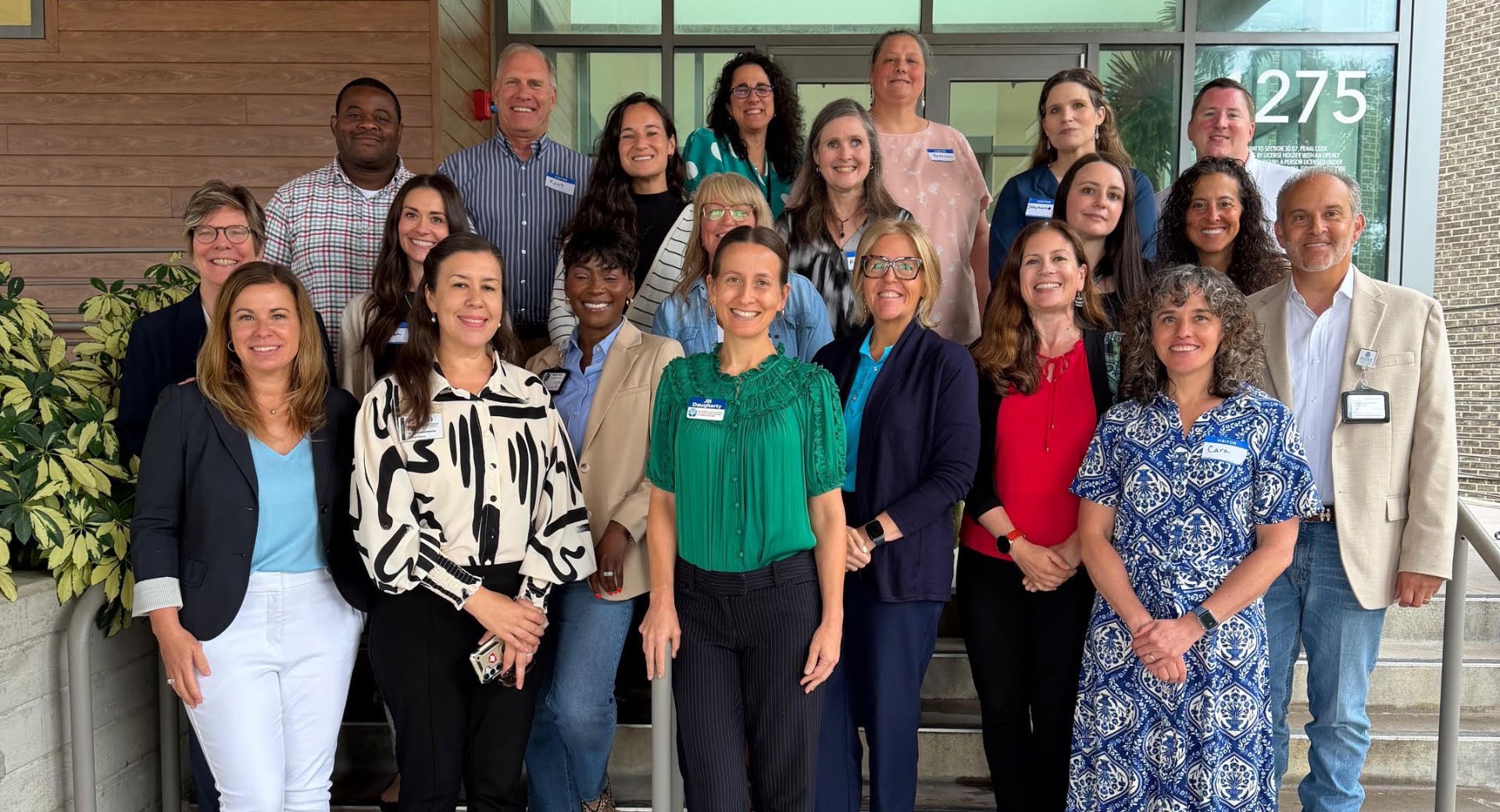
On July 14th, 2026 the newest Moody Center for Brain Injury Best Practices cohort held their kick-off meeting at the Moody Neurorehabilitation Center in Houston, TX. The 2026-2027 cohort will be tackling the issue of transitioning from post-acute care to the community after brain injury. They will be examining education available for families and care partners of Individuals with brain injury, respite models for caregivers, effective supports for community living, and funding structures used by states to sustain reintegration. Stay tuned for updates on their work. |
|
Housing security is a critical foundation for individuals living with brain injury (BI). People with brain injuries often experience cognitive, physical, and behavioral challenges that make it difficult to manage daily tasks, maintain recovery or employment, and stabilize long-term independence. Ultimately, housing security is not just about shelter - it is a key determinant of health and plays a vital role in improving outcomes, quality of life, and community participation for people with brain injury.
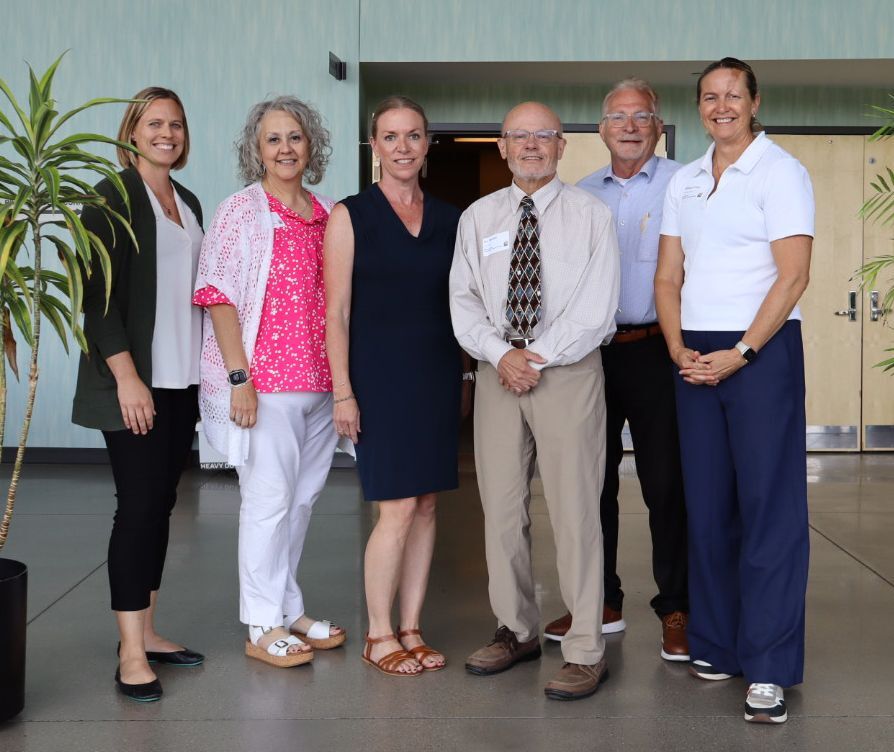
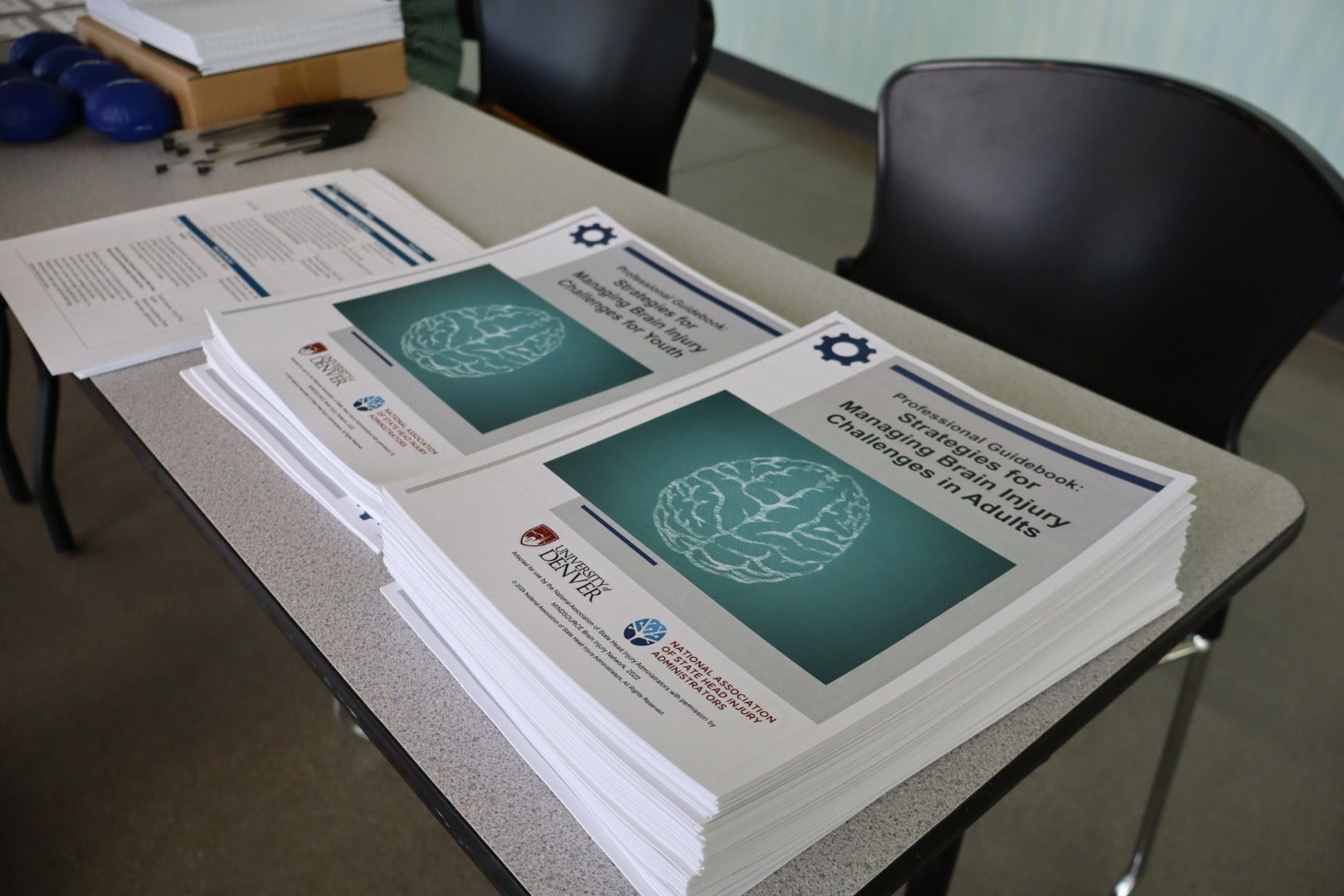
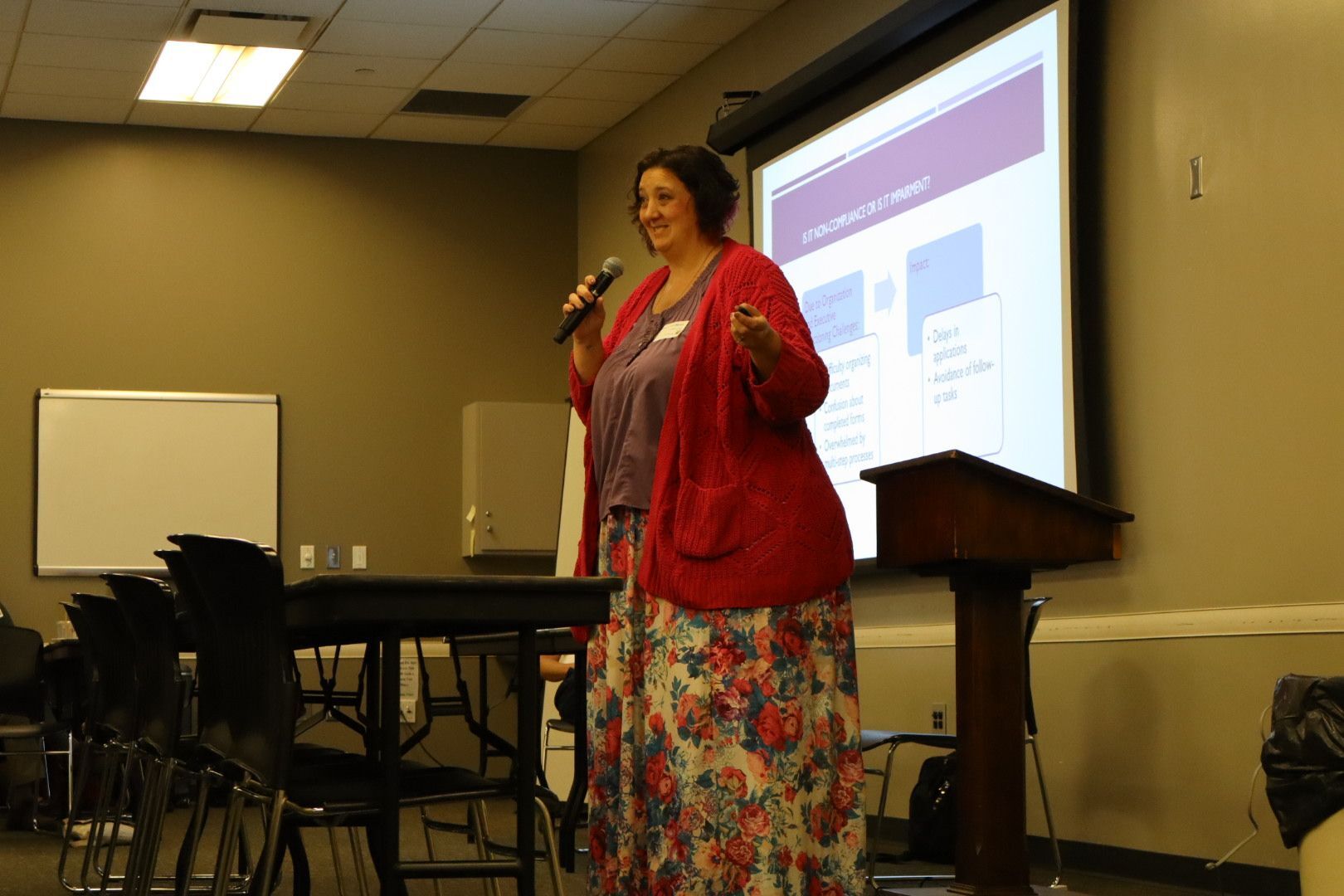
NASHIA supported Jim Pender with Iowa Department of Health and Human Services to host an interactive summit on the basics of brain injury and the impact on adults related to housing security. Partners in healthcare, housing, community programs, and staff came together in Des Moines July 9th to share knowledge and practical solutions. Attendees left with better understanding of system gaps and coordinated strategies that integrate housing with rehabilitation and support services for brain injury.
Presenters included: Maria Crowley and Haleigh Cushen of NASHIA, Caitlin Synovec of National Health Care for the Homeless Council, Kate Kerkmans of Brain Injury Association of Colorado, June Klein-Bacon of Brain Injury Association of Iowa, Brad Richardson and Haley Schneider of University of Iowa , and Melissa O'Neil of Central Iowa Shelter & Services. |
|
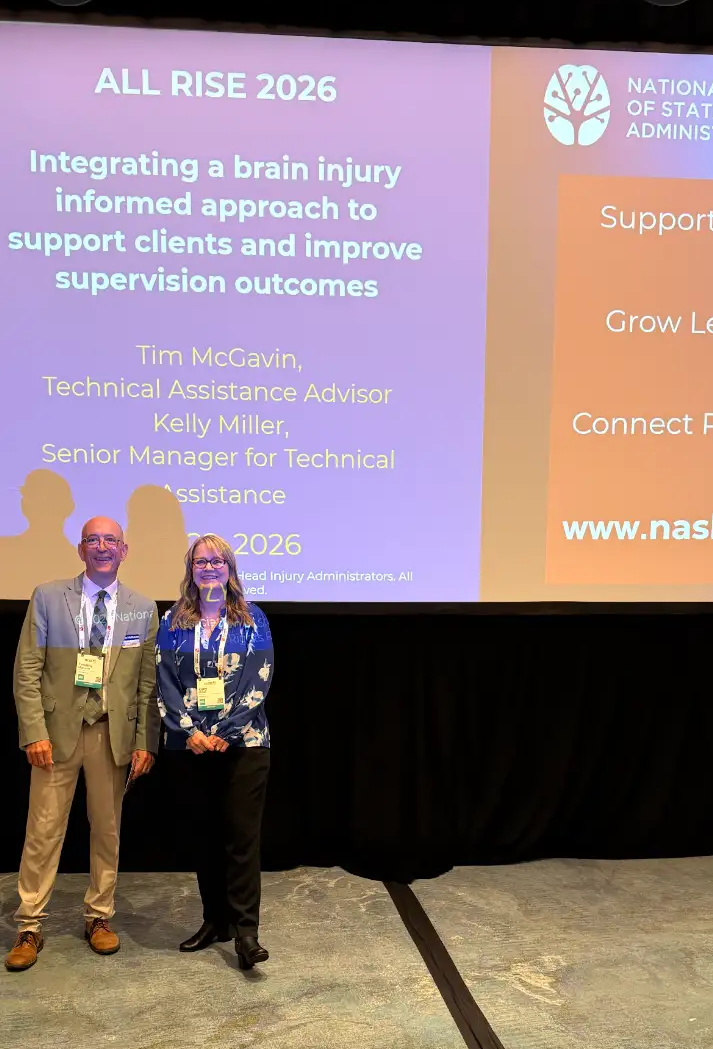
In July Tim McGavin and Kelly Miller presented at the RISE2026 Conference in Nashville. Their session, Integrating a Brain Injury-Informed Approach To Support Clients and Improve Outcomes, was one of many options for the nearly 7,000 attendees.
All Rise hosts the premier conference event on addiction, mental health and justice innovation, bringing together judges, law enforcement officials, treatment providers, court coordinators, researchers, leading authorities on best practices, drug court graduates, veteran treatment court graduates, probation officers, attorneys and consumer advocates. Tim and Kelly’s presentation focused on brain injury fundamentals and best practices to support individuals with brain injury aligned with the risk-need-responsivity model.
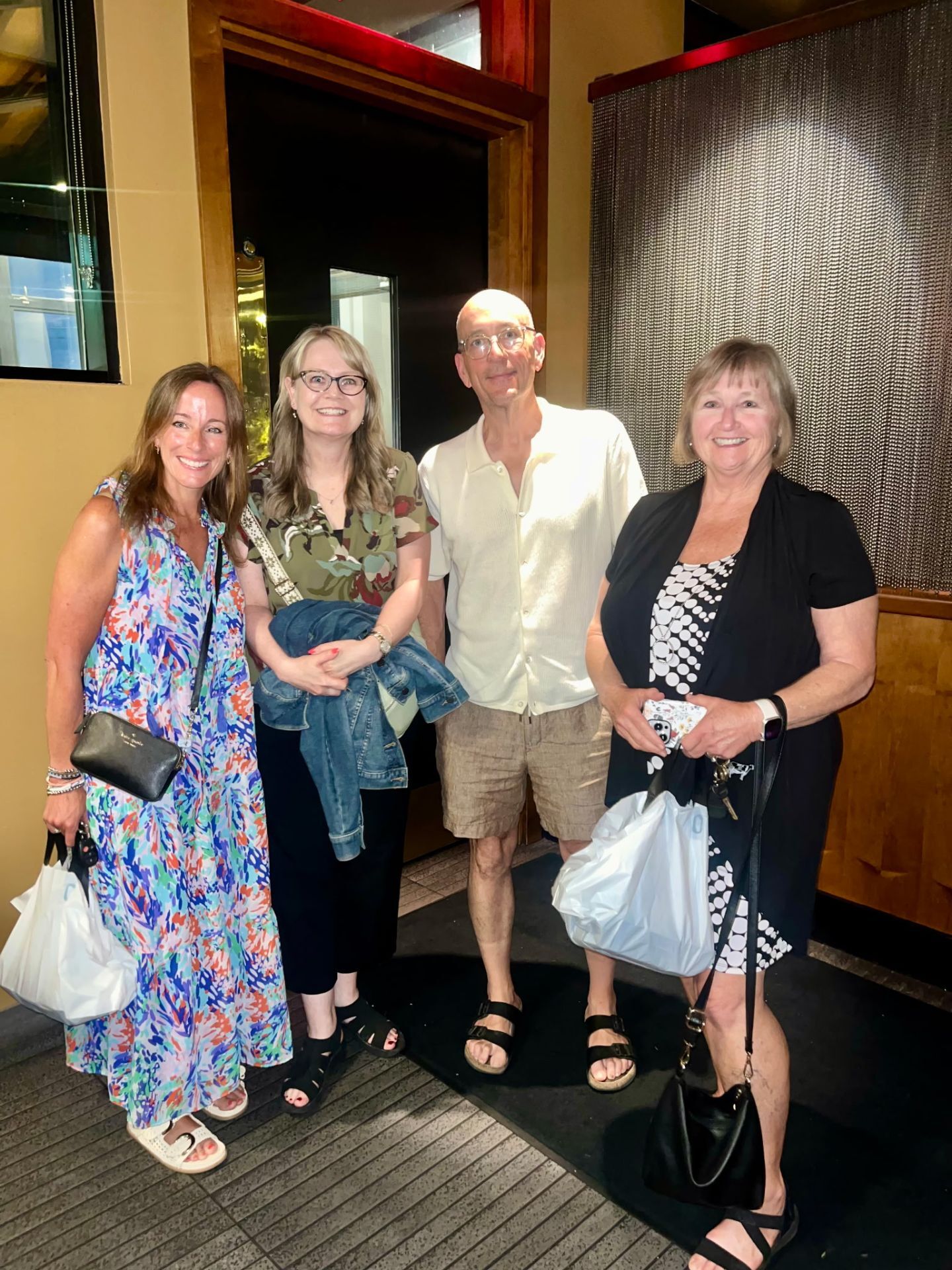
They also found time to connect with NASHIA Members Ashley Chandler, TBI Program Director with the Tennessee Department of Health and Paula Denslow, Brain Links Director with the Tennessee Disability Coalition.
Interested in learning more about the intersection of brain injury and the criminal legal system? Attend Tim and Kelly’s session at SOS in Little Rock: "Symptom or Sanction? Supporting people with brain injury in the criminal legal system." |
|
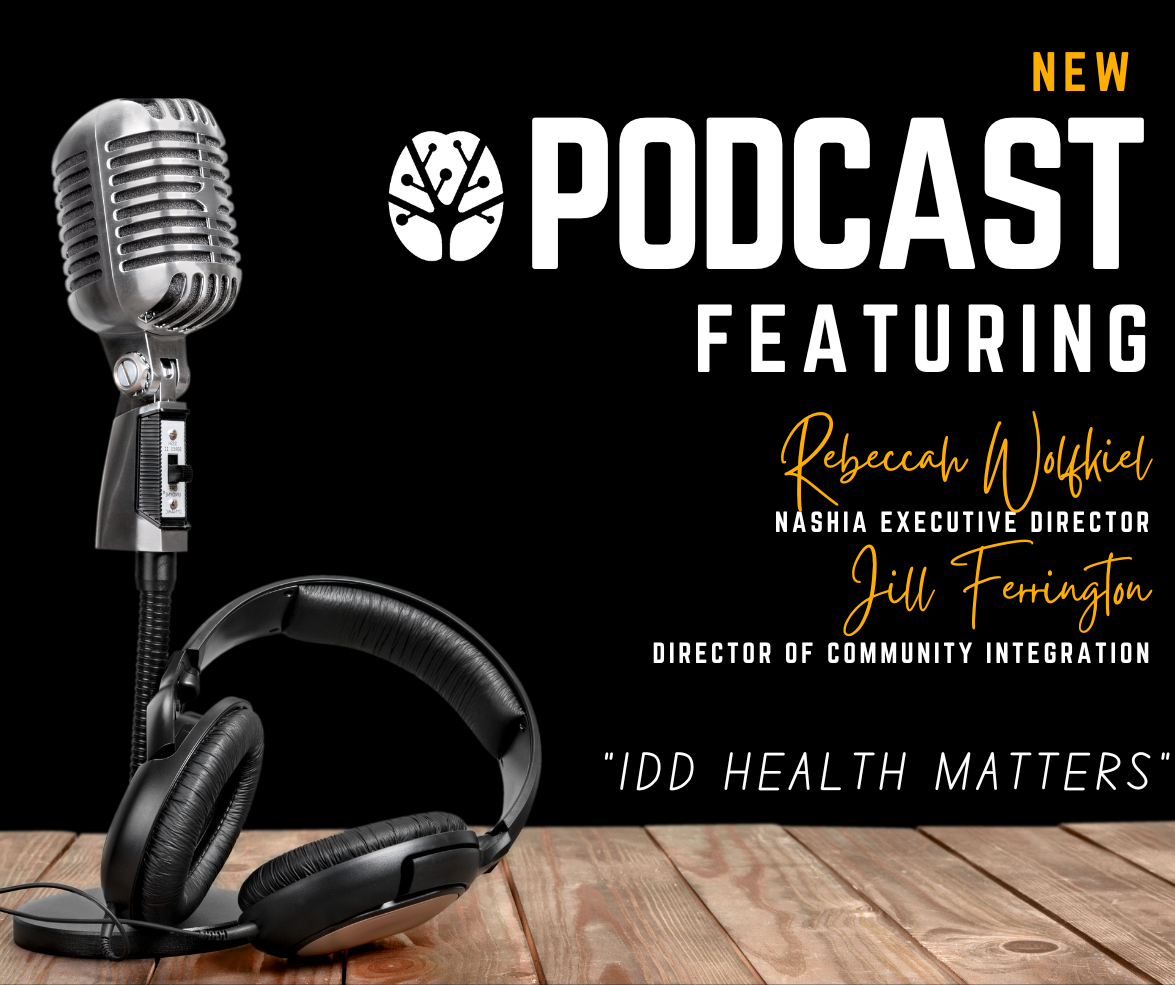
NASHIA's Rebeccah Wolfkiel and Jill Ferrington were recently featured on the IDD Health Matters podcast discussing the connection between brain injuries and intellectual and developmental disabilities (IDD). They explain that many individuals receive IDD services because of brain injuries sustained during childhood, while others with IDD may be at increased risk for brain injuries later in life due to factors such as seizures, falls, mobility challenges, and medication side effects. They highlight research showing that adults with IDD experience traumatic brain injuries at significantly higher rates than the general population and emphasize the importance of screening, early identification, and brain injury–informed supports. The discussion focuses on practical strategies for caregivers and case managers, including the use of validated screening tools, memory aids, structured routines, trauma-informed care, and personalized support plans. The speakers also stress the need for stronger collaboration between brain injury and IDD service systems, better documentation of brain injury histories, preventive measures to reduce future injuries, and increased awareness that simple accommodations can greatly improve quality of life and community integration for affected individuals. Way to go, Rebeccah and Jill!
Access Episode 158 on your favorite platform: |
|
NASHIA LPA 2027 Applications Open |
|
|
|
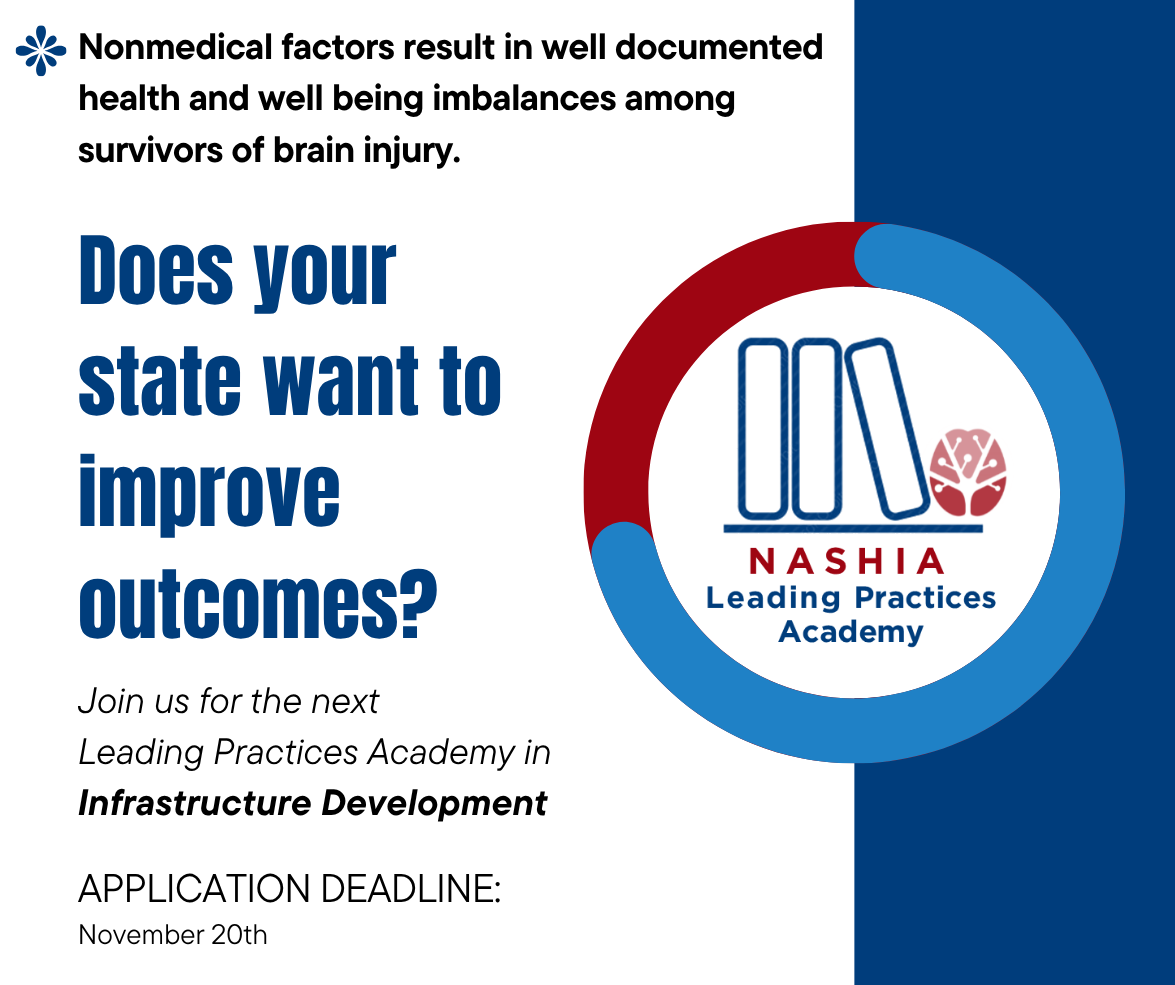
Are you a state brain injury administrator, manager, or program leader looking to sharpen your leadership, elevate your state’s systems of care, and connect with peers nationwide?
Applications are officially open for NASHIA's Leading Practices Academy (LPA)!
|
|
|
|
The LPA is a specialized, 12-month cohort experience designed specifically for professionals working within state government or state-designated brain injury programs. LPA participants receive strategic and customized technical assistance to explore, develop, or implement protocol and practices aimed at improving outcomes for systems engaged individuals with brain injury.
The LPA foundation is built on an Infrastructure Development Model. NASHIA provides the infrastructure engine to explore, implement, and sustain change. Previous participants have focused efforts across behavioral health, child welfare, criminal legal, intimate partner violence and housing insecurity systems. Select your system and let the LPA framework support you in creating goals aligned with your priorities that will lead to sustainable outcomes. In 2027 the sky is the limit! |
Updated State Program Guide Available |
|
|
|
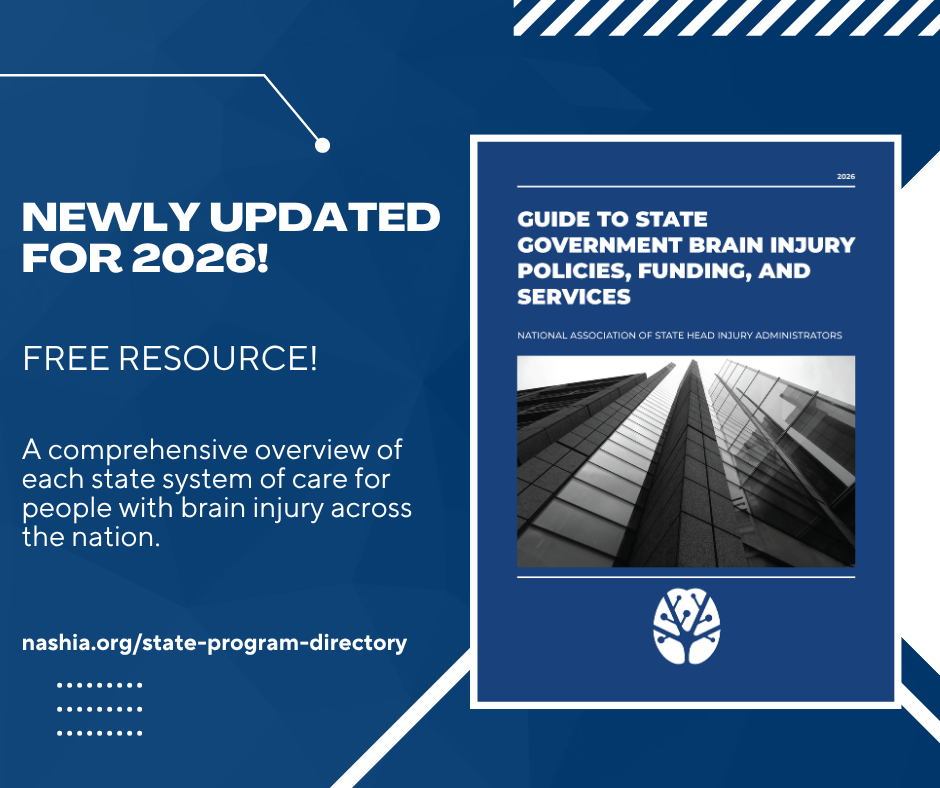
Updated Resource: The newly updated NASHIA Guide to State Government Program Brain Injury Policies, Funding, and Services is live!
Navigating state government systems, funding streams, and brain injury services can be complex—especially when looking for the right point of contact across state lines.
|
|
|
|
We are excited to announce that the updated version of the Guide is officially available!
This FREE, comprehensive directory provides an up-to-date overview of each state and territory's system of care for individuals living with brain injury. It is an essential tool for state administrators, case managers, advocates, and clinical providers across the country. |
|
|
|
For thousands of individuals navigating life after a brain injury, getting connected to the right help starts with one simple step: a reliable, accessible screening.
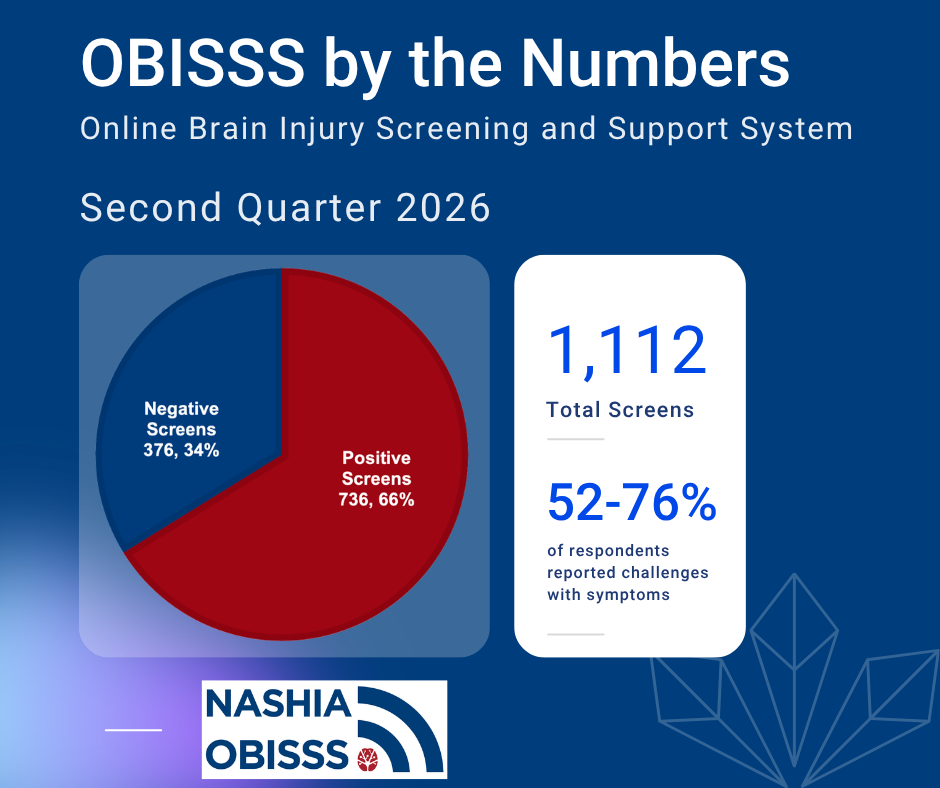
NASHIA’s Online Brain Injury Screening and Support System (OBISSS) is helping states across the nation identify lifetime brain injury exposures and pinpoint exact symptom challenges. |
|
|
|
Check out the impact OBISSS is already making:
📈 Over 1,112 screenings completed across 20 states in Q2 2026! 🔍 66% of those screens were positive for potential brain injury. 🛠️ 52-76% of participants identified ongoing symptom challenges.
When providers know a brain injury history is present, everything changes. Therapies get adapted, frustration drops, and recovery pathways finally clear up!
👇 Ready to map OBISSS in your state? |
|
|
|
If you weren't able to join us live, you haven't missed out on the tools.
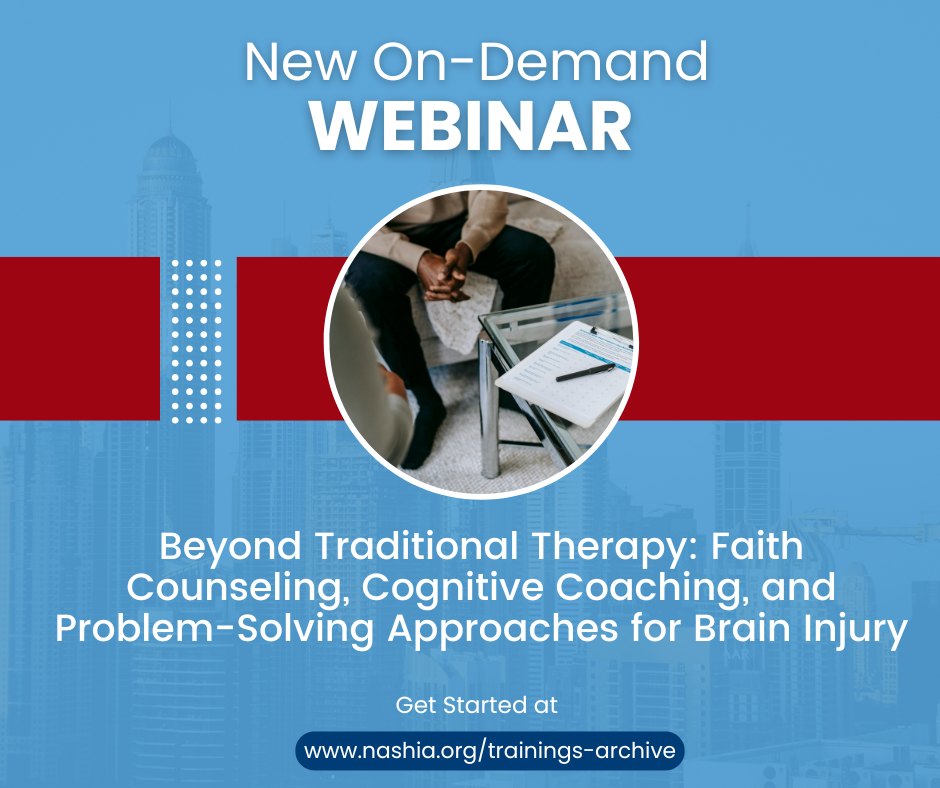
The archived recording for NASHIA's specialized training—Beyond Traditional Therapy: Faith Counseling, Cognitive Coaching, and Problem-Solving Approaches for Brain Injury—is officially ready for on-demand viewing.
|
|
|
|
Standard clinical interventions are vital, but long-term recovery happens when support systems extend into the survivor's daily environment, faith community, and personal routines.
This comprehensive recording features three expert-led modules designed to help clinicians, case managers, and advocates look at brain injury care through a multi-dimensional, holistic lens.
Give your clinical toolkit a boost on your own schedule. Watch the full recording and gain practical strategies you can apply immediately to your practice. |
|
|
|
Community of Practice: Integrating Brain Injury into Certified Community Behavioral Health Clinic (CCBHC) Systems
Sessions run Sep 2026 - Feb 2027 Customized TA starts any time. |
|
|
Want to build upon your CCBHC efforts? NASHIA can help! We’ve assembled technical assistance packages, from foundational to fully customized support, to meet your needs.
Tier 1: Foundational/Group-Based Support Baseline for action and building shared understanding.
Tier 2: Blended Group and State-Specific Support Intermediate option supporting movement from exploration to implementation.
Tier 3: Intensive/Fully Customized State Support Full-service option to drive systems change and long-term sustainability. |
|
|
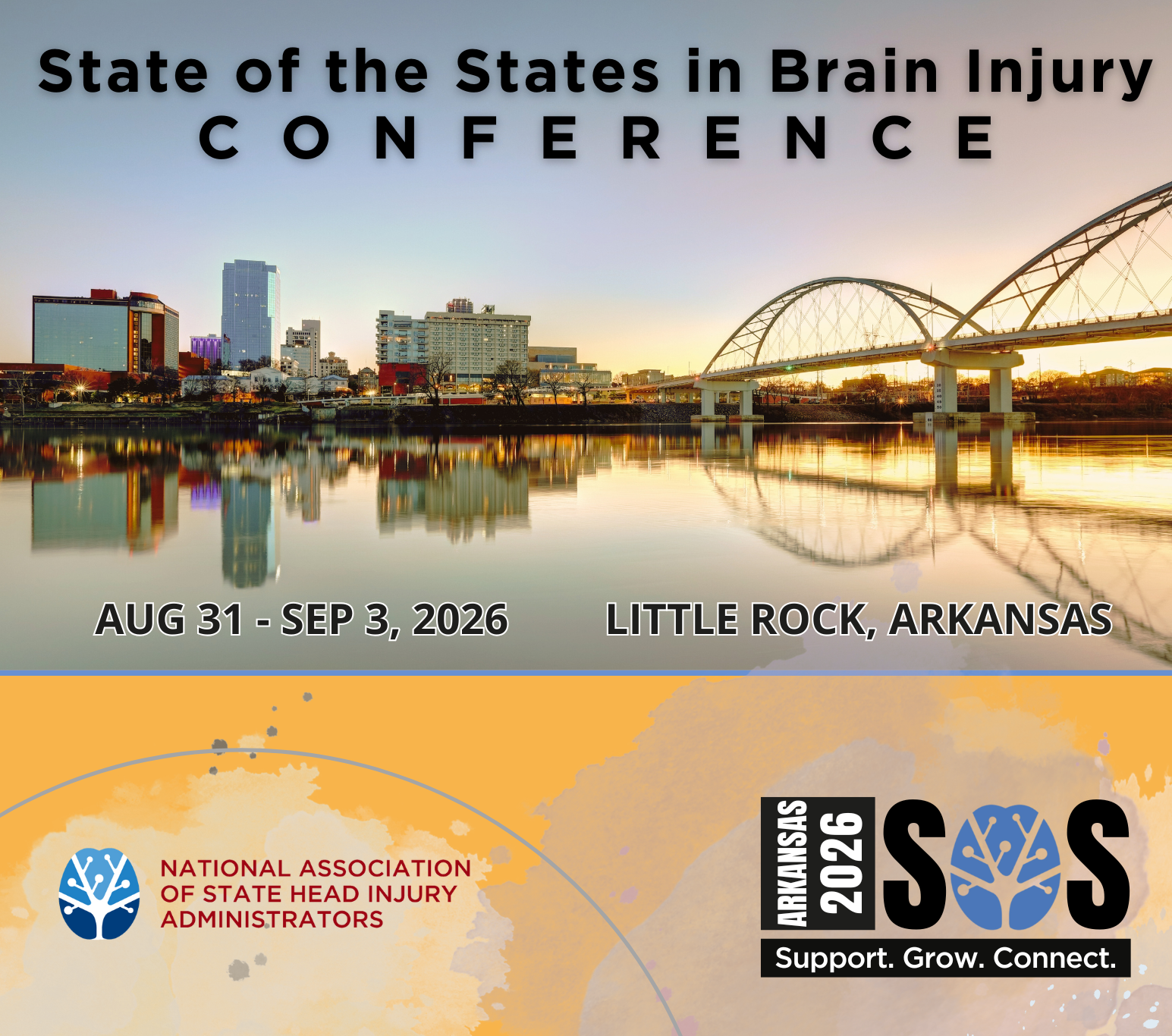
State of the States in Brain Injury Conference
August 31 - September 3, 2026 Little Rock, Arkansas |
|
|
2026's SOS will be the 37th consecutive year that NASHIA has hosted the conference.
SOS continues to bring state leaders together, alongside brain injury advocacy organizations, partners, researchers, and providers.
This year’s conference will highlight work in the Criminal Legal System (CLS), Clinical Practices (CP), Behavioral Health (BH), and Medicaid/Long-Term Services & Supports as content tracks, as well as bring content applicable to the whole brain injury community. |
|
|
Brain Injury & Older Adults - Understanding Behavioral Challenges and Counseling Best Practices
September 23, 2026 1:00pm - 4:00pm ET |
|
|
This workshop focuses on the unique challenges faced by older adults who sustain brain injury, whether traumatic or non-traumatic, such as stroke, hypoxia, long COVID, or overdose.
Grounded in person-centered, strengths-based approaches, the workshop equips professionals with practical strategies to build rapport, adapt interventions, and provide responsive, culturally informed support tailored to the needs of older adults navigating life after brain injury. |
|
|
Medicaid 101: State Plan, Waivers, and the Wider Coverage Landscape for Brain Injury
November 5, 2026 1:00pm - 3:00pm ET |
|
|
Understanding how people with brain injury access services can feel like navigating a maze - State Plan Medicaid, numerous types of HCBS waivers, lesser-known options like the 1915(i), private insurance gaps, Medicare rules, and a policy landscape that is constantly shifting.
This two-hour session cuts through the complexity for brain injury administrators and their community partners, offering a clear, practical map of where coverage actually comes from and how to make it work for the people you serve. |
|
|
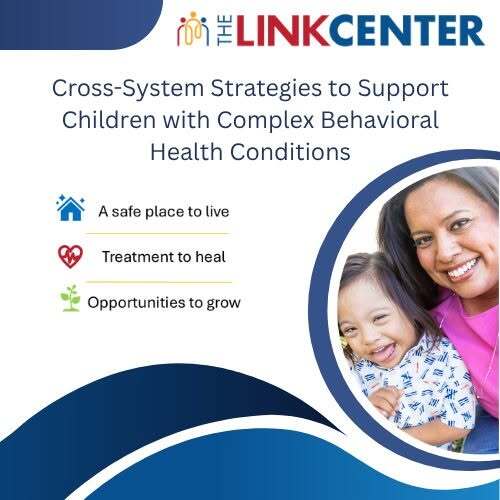
Cross-System Strategies to Support Children with Complex Behavioral Health Conditions |
|
|
Grounded in neuroscience and focused on practical systems change, this multi-organization publication offers a framework for coordinated, community-based support built around three essential pillars: a place that is safe, treatment to heal, and opportunities to grow. State leaders, providers, families, and advocates will find actionable strategies to strengthen policy, service design, financing, data use, and cross-system collaboration — helping systems move beyond fragmented responses toward shared solutions that better meet the needs of children and families. |
|
|
Peer Support Best Practices for Working with Individuals with Brain Injury |
|
|
This brain injury curriculum package is designed for professionals and individuals working in peer support, recovery, and behavioral health settings. This curriculum offers flexible, user-friendly resources to build knowledge and improve engagement for individuals with brain injury in these peer support settings. |
|
|
Brain Injury Resource Facilitation Implementation Guide |
|
|
In 2023, the National Association of State Head Injury Administrators (NASHIA) - funded by the Moody Endowment - led a Delphi Consensus process with national brain injury leaders, resulting in Brain Injury Resource Facilitation: A Consensus on Best Practices (the “Consensus” report). In 2024, Moody Endowment provided additional funding to NASHIA to establish the Moody Center for Brain Injury Best Practices. The first two-year cohort used the Consensus findings to develop this implementation guide. |
|
|
LifeStreams is a NASHIA Supporting Organization Member that offers a wide variety of services to assist those recovering from brain injury and their families. Known as leaders in the field of rehabilitative therapies and other related services, including occupational therapy (OT), physical therapy (PT), speech language pathology (SLP), cognitive therapy (CT), behavioral therapy (BT), counseling, case management, support groups, transitional services, life and care planning, and other resource facilitation services.
Currently providing services throughout Kansas and Missouri, with expansion into several other states over the next few years. We are proud to be partnering with additional states to provide these services with an HCBS (Home and Community Based Services) option, as a way to strengthen currently delivery models and enhance service capacity. |
|
New Link Center Publication |
Now released: Cross-System Strategies to Support Children with Complex Behavioral Health Conditions.
This national publication from The Link Center highlights real policy and program strategies states are using to strengthen systems of care and provides a practical framework others can adapt and scale. Led by the National Association of State Directors of Developmental Disabilities Services (NASDDDS) with the NADD, National Association of State Mental Health Program Directors (NASMHPD), and NASHIA |
|
You received this email because you subscribed to our list. You can unsubscribe at any time. PO Box 59165 Potomac, MD 20859 USA |
|
|
|