|
|
Supporting Org. Spotlight |
|
|
Welcome to NASHIA Connections!
The monthly newsletter for everything NASHIA.
You are receiving this newsletter because you are a valued partner in the brain injury community and with NASHIA.
This issue includes a new resource from AARP, our full lineup of professional development opportunities, updates from the Federal sphere, and an introduction to Minds In Motion Initiative and Brain Injury Association of North Carolina. |
|
|
|
|
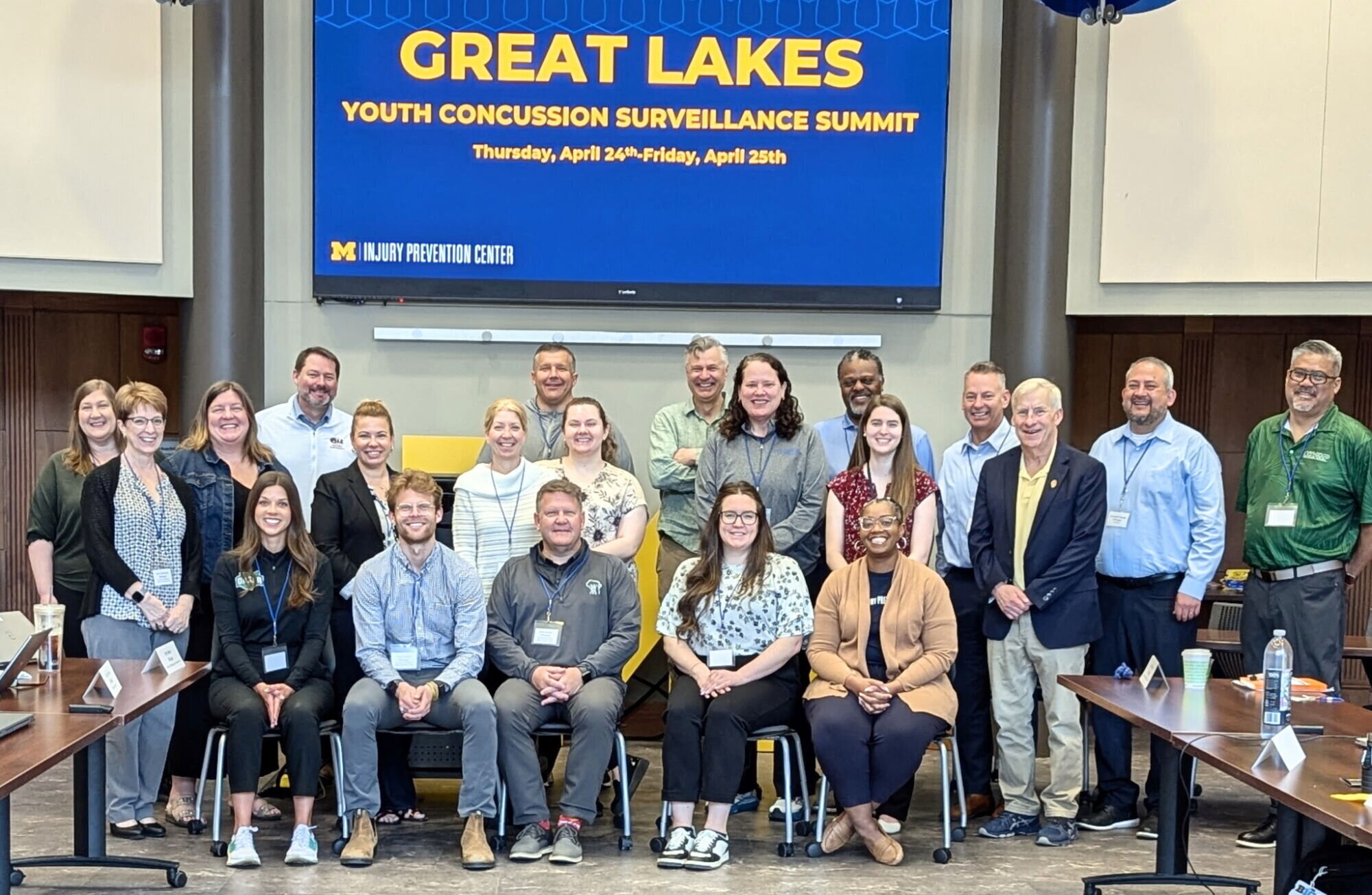
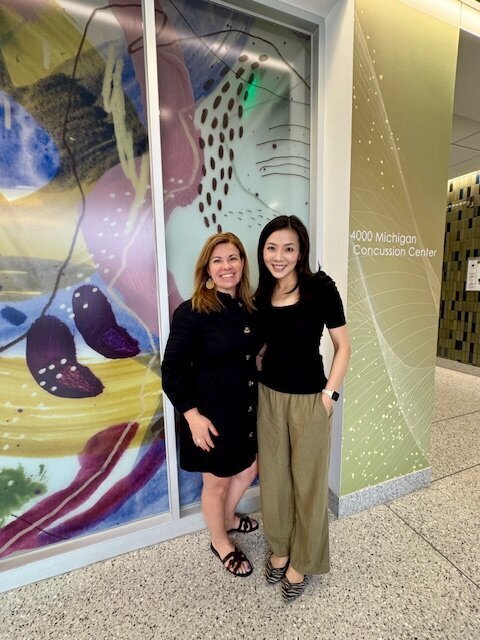
Our Executive Director, Rebeccah Wolfkiel, recently attended and presented at the inaugural Great Lakes Youth Concussion Surveillance Summit, hosted by the University of Michigan Injury Prevention Center. She presented on state return to play and return to learn laws.
Rebeccah is pictured with all of the Summit presenters, as well as with Tina Chen, Managing Director of the U-M Concussion Center.
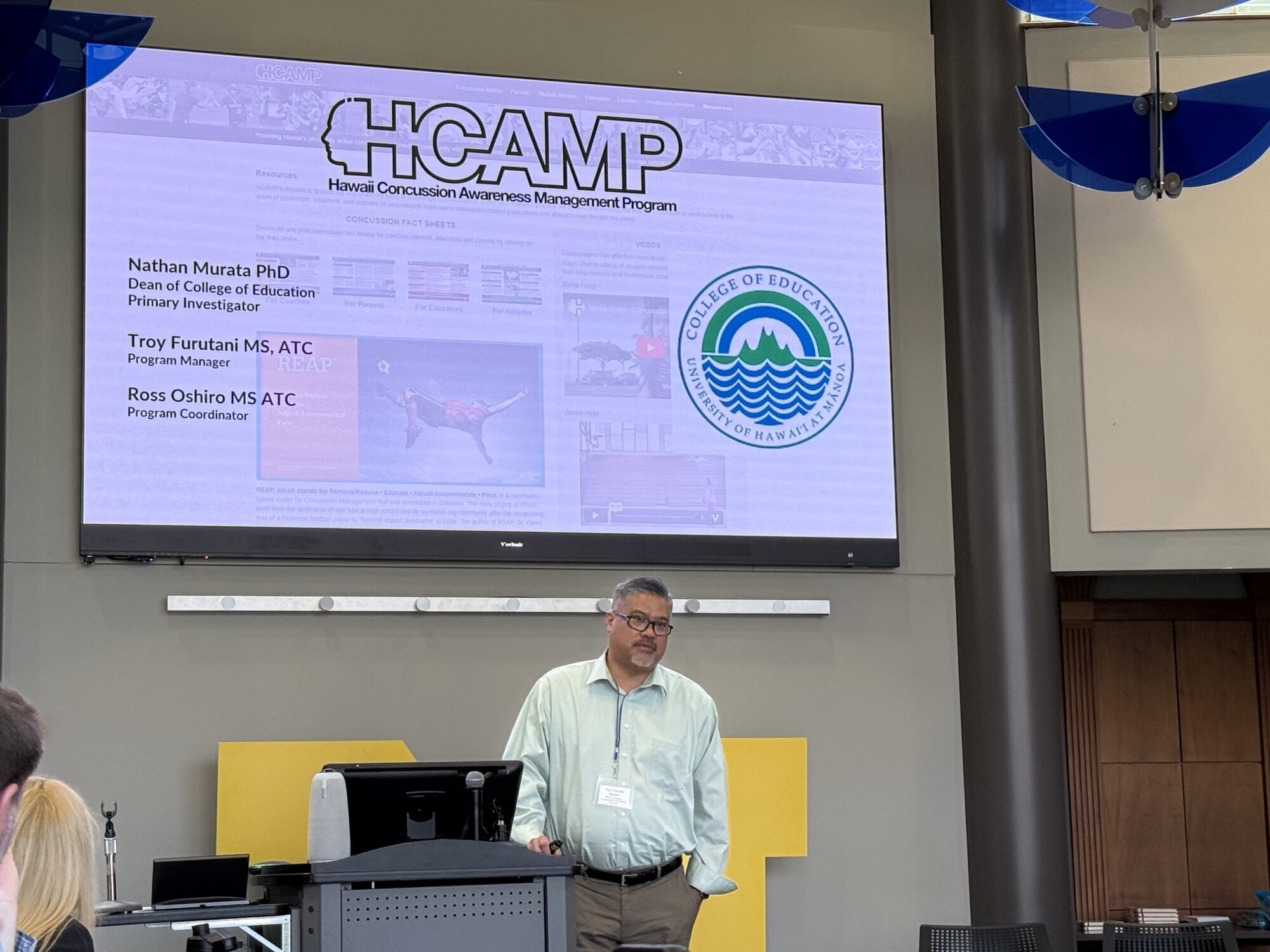
Troy Furutani, Program Manager of the Hawaii Concussion Awareness Management Program, who spoke about Hawaii's comprehensive concussion surveillance and management program, is also pictured.
Thank you to the Summit organizers, and to all the presenters, for raising awareness and educating about concussion in youth! |
|
|
|
|
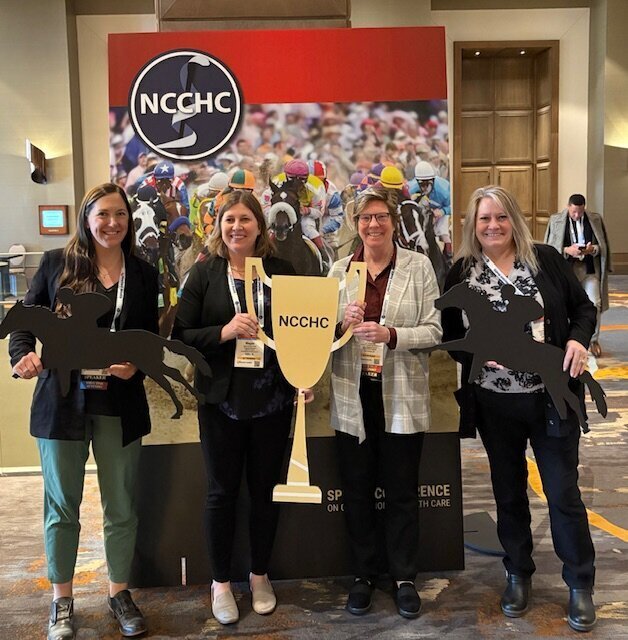
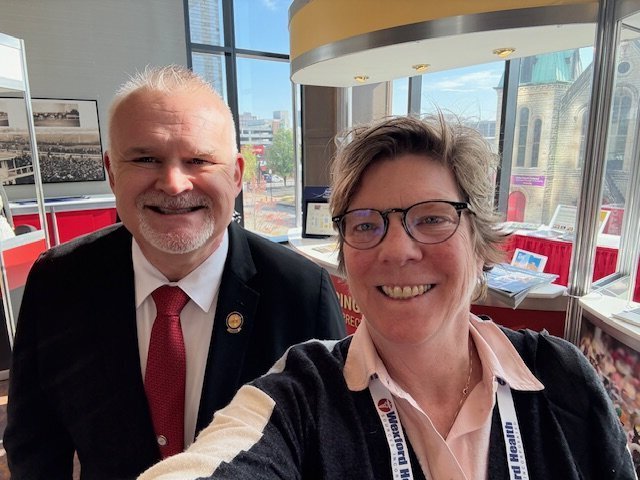
On April 8th, NASHIA's Director of Technical Assistance and Special Projects attended and presented at the National Commission for Correctional Health Care (NCCHC) in Louisville, Kentucky.
She was invited to present with and by the Council on State Governments (CSG), and co-presented with Megan Davidson of CSG, Traci Barney of the Utah Department of Health and Human Services Injury Response Manager and TBI Funds Administrator, and Lena Gustafson, Clinical Deputy Director of Reentry and Rehabilitation at Utah Department of Corrections.
Judy is also pictured with Richard Forbus, Vice President, Program Development at the National Commission on Correctional Health Care. |
|
|
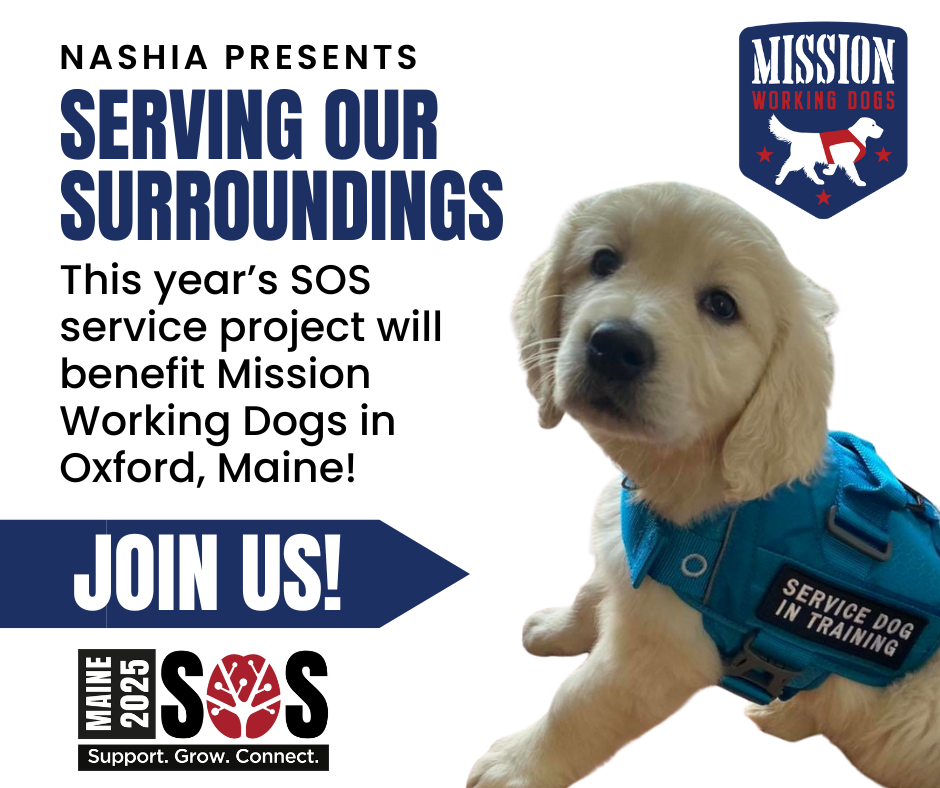
SOS 2025 Will Have Special Guests - Puppies! |
Join us at SOS 2025 and meet the puppy all-stars who are training to become service dogs to aid people with disabilities! This year's SOS service project will highlight the group Mission Working Dogs.SOS attendees will have the opportunity to interact with the puppies-in-training, and the four NASHIA membership regional areas will compete through a supply drive for the organization. Be on the lookout for a wish list soon! Help us reach our goal on the supply drive. If we do, Mission Working Dogs has agreed to name a dog after NASHIA! |
|
|
|
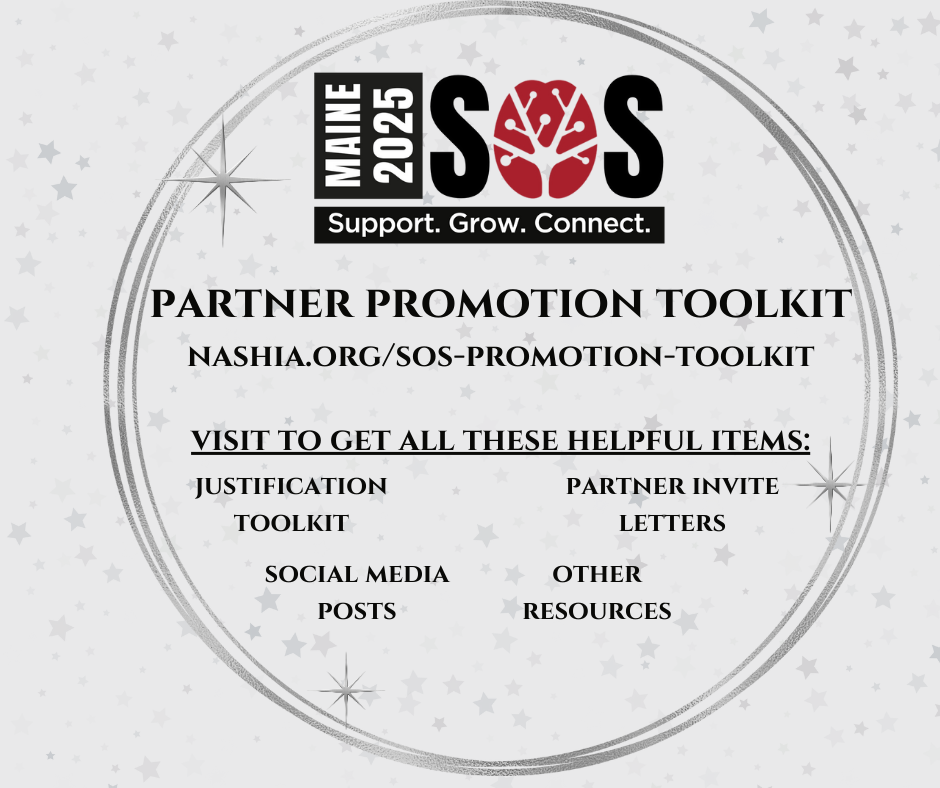
The Partner Promotion Toolkit Has Everything You Need to Get to SOS! |
Want to attend SOS but need to get buy in from an employer or benefactor? The Justification Toolkit will help you craft a message to your employer or benefactor to demonstrate the significant return on investment SOS offers, and justify cost and time spent away from work.
Want to get your brain injury, Behavioral Health, Criminal Legal System, Long-Term Services & Support, or Children & Youth partners to join in the learning journey with you? Also find other shareable items, such as letters, social media posts, promotional videos, and other resources to help you invite your partners to the 2025 State of the States in Brain Injury Conference.
You can also visit NASHIA's Partner Promotion Toolkit page to find help in sharing the message about SOS! |
|
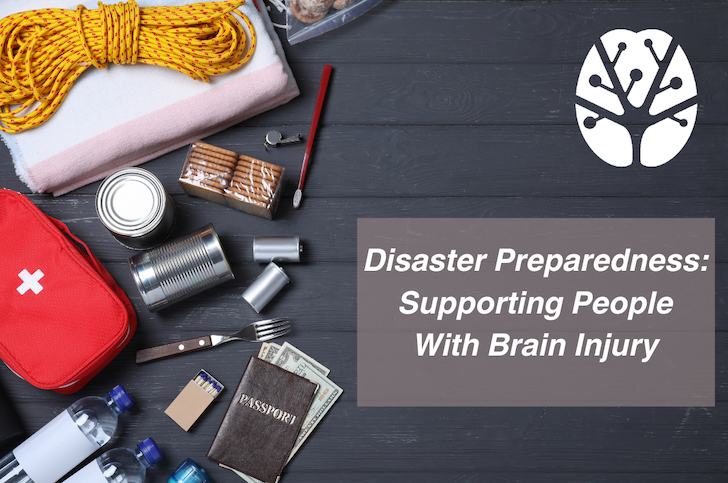
Disaster Preparedness: Supporting People With Brain Injury
June 11, 2025
12:00pm - 1:00pm ET |
|
|
People with disabilities are disproportionately affected by disasters, experiencing higher rates of displacement, longer periods of displacement, and greater mental distress compared to their non-disabled counterparts.
Join us for an engaging webinar exploring the critical functions of disaster and emergency preparedness in the context of supporting people with disabilities. |
|
|
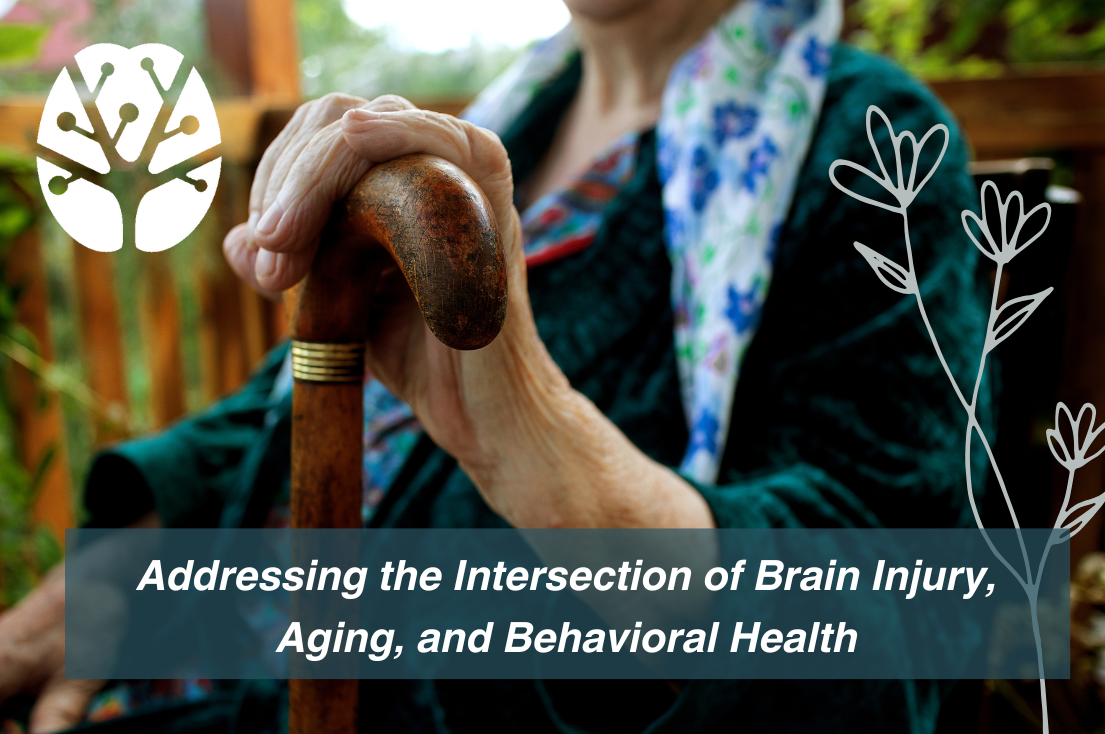
Addressing the Intersection of Brain Injury, Aging, and Behavioral Health
July 16, 2025
12:00pm - 1:15pm ET |
|
|
As the population ages, the overall rate of brain injury in older adults in the US is increasing, and the intersection of brain injury and behavioral health becomes an increasingly critical topic.
This webinar will provide an overview on the relationship between aging, brain injury, and behavioral health, highlighting the unique challenges older adults face and the strategies that can improve their quality of life. |
|
|
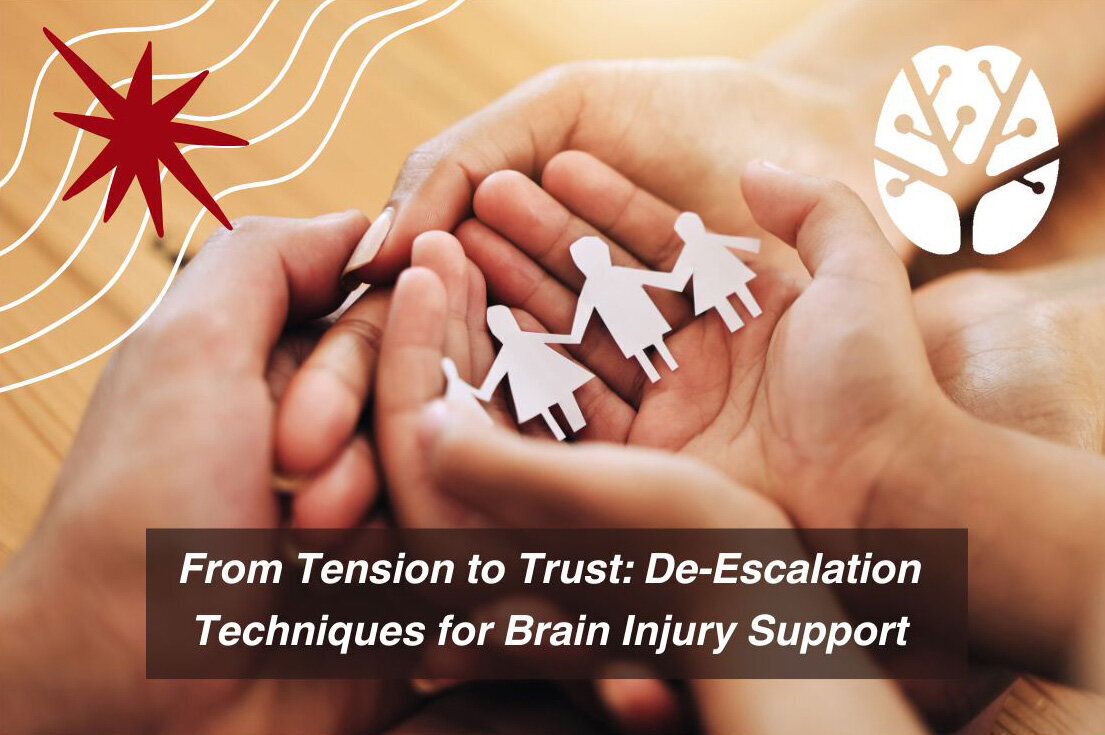
From Tension to Trust: De-Escalation Techniques for Brain Injury Support
August 20, 2025
2:00pm - 4:00pm ET |
|
|
De-escalation refers to a variety of methods used to calm down a person who is experiencing a heightened emotional state by using verbal or non-verbal communication. Essentially, it's about diffusing a crisis through a calm and empathetic approach.
This skill-building workshop will introduce opportunities to learn de-escalation techniques from a licensed psychologist who has experience in state hospital, correctional, and inpatient hospital settings. After an introduction to de-escalation and settings and situations where these methods can be applied, verbal and non-verbal techniques as well as a framework for understanding why certain techniques are more likely to be successful when it comes to brain injury will be reviewed in depth, practiced and discussed. |
|
|
The Prevalence and Impact of Traumatic Brain Injury: Adults 50-Plus |
|
|
This report from AARP, "The Prevalence and Impact of Traumatic Brain Injury: Adults 50-Plus," highlights the growing public health concern of brain injury among adults age 65 and older. It explores how traumatic brain injuries—most often caused by falls—are frequently underrecognized and misdiagnosed in older populations, leading to missed opportunities for treatment and recovery. The report also examines how symptoms of TBI can mimic other age-related conditions, outlines disparities in access to care, and offers recommendations for prevention, screening, and support. |
|
|
Supporting People with Brain Injury through Certified Community Behavioral Health Clinics |
|
|
This document discusses Certified Community Behavioral Health Clinics (CCBHCs) and how they can support individuals with brain injuries.
CCBHCs are clinics that provide a wide array of mental health and substance use services to anyone, regardless of their diagnosis or insurance status. |
|
|
Supporting Crisis Stabilization for Youth and Young Adults during Reentry |
|
|
Produced by the Council of State Governments (CSG) Justice Center, this document emphasizes the critical need for crisis stabilization support for young people and young adults with behavioral health needs as they transition from correctional facilities back into the community. It highlights that many of these individuals have mental health disorders and are at high risk of experiencing crises, often due to pre-existing trauma or lack of appropriate care. |
|
|
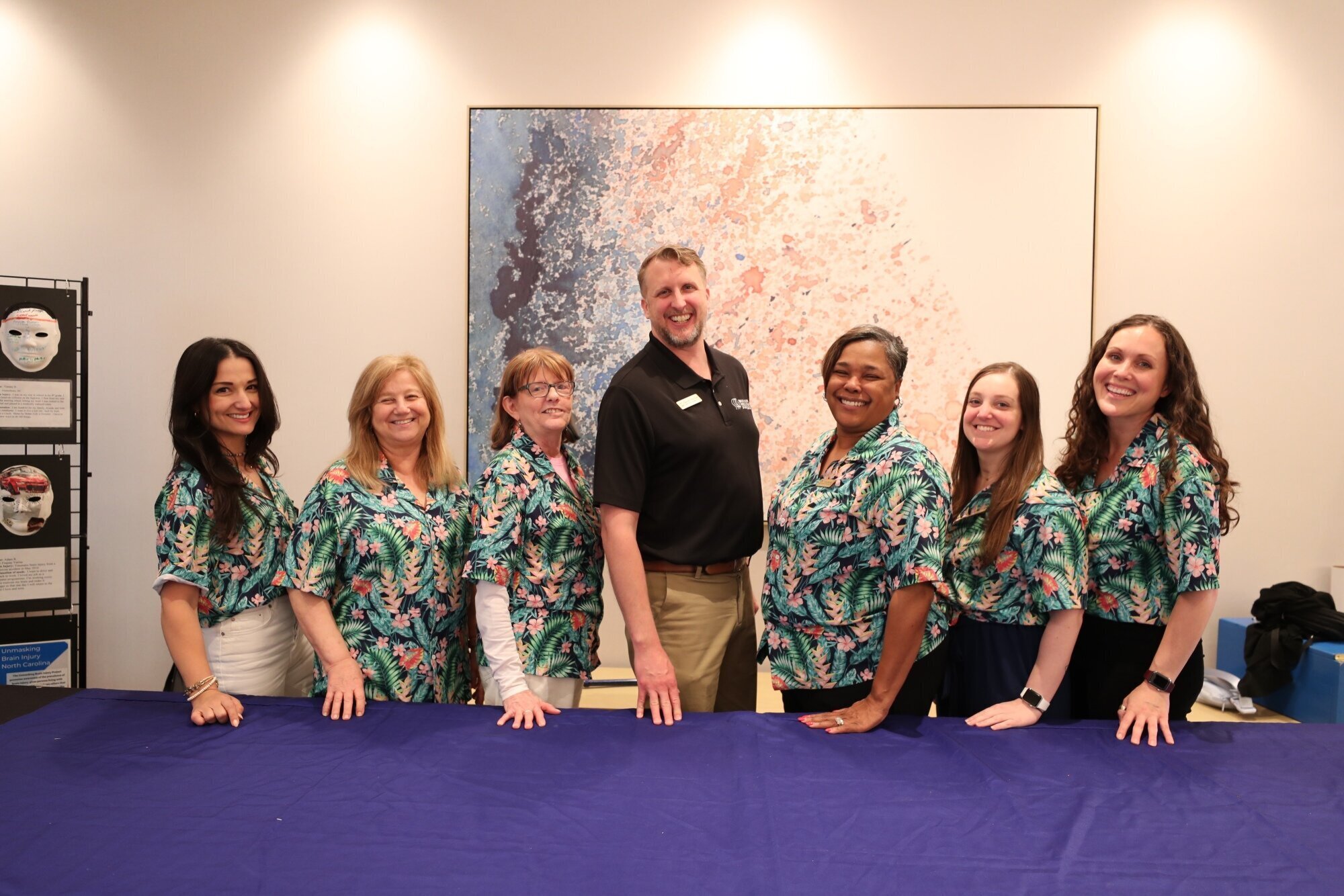
Brain Injury Association of North Carolina |
|
Offering Help, Hope, and a Voice Across the Tar Heel State
For more than four decades, the Brain Injury Association of North Carolina (BIANC) has been a vital force for connection, empowerment, and change. With a mission to offer help, hope, and a voice to individuals living with brain injury and their families, BIANC’s impact spans every corner of North Carolina through a uniquely regionalized approach.
BIANC makes over 75,000 contacts annually, providing resources, training, and support that make a lasting difference. The organization operates through five regions, each served by a dedicated outreach coordinator who works directly with local communities to meet their unique needs. From professional training to survivor engagement, BIANC’s efforts are both far-reaching and deeply rooted.
Professionals in law enforcement, healthcare, construction, and beyond benefit from no-cost training designed to raise awareness, enhance safety, and improve outcomes for those impacted by brain injury. BIANC’s Thriving Survivor Day Program, a free virtual series offered four days a week, provides North Carolinians living with brain injury opportunities to participate in brain aerobics, music therapy, exercise, and gaming. Over the past four years, this initiative has logged more than 6,000 hours of survivor attendance, supporting wellness, connection, and ongoing recovery.
Through its powerful Unmasking Brain Injury workshops, individuals share their experiences in creative, impactful ways—with mask kits available on request. BIANC also offers complimentary memberships, connecting new members with personalized outreach and helpful resources. A statewide Neuro-Resource Facilitator helps individuals navigate care, while BIANC’s online provider guide links families to local services. More than 50 support groups across North Carolina offer essential spaces for shared understanding and support.
Signature events underscore BIANC’s deep community engagement. The annual statewide conference draws over 230 attendees for education, networking, and innovation. Camp Thrive, a two-day overnight experience designed for survivors, welcomed more than 125 participants last year for a blend of recreation, learning, and camaraderie. BIANC’s prevention efforts include distributing free helmets and safety materials to children through partnerships with Title I schools and Boys & Girls Clubs.
A spirit of collaboration drives BIANC’s work, from partnerships with Local Management Entities (LMEs) and the North Carolina Falls Prevention Coalition to coordinated efforts with service providers statewide. Every initiative reflects the organization’s belief in meaningful change, guided by the voices and needs of survivors and their families.
With 42 years of service, a passionate team, and a bold vision for the future, BIANC continues to lead with compassion, commitment, and a strong sense of community. |
Minds In Motion Initiative (MIMI) |
The Why: Brain Injury Is For Life
It’s complicated. It’s not well understood in any community. 53% of those living homeless have a brain injury (NIH). Loneliness is a symptom of brain injury rarely treated. |
|
|
|
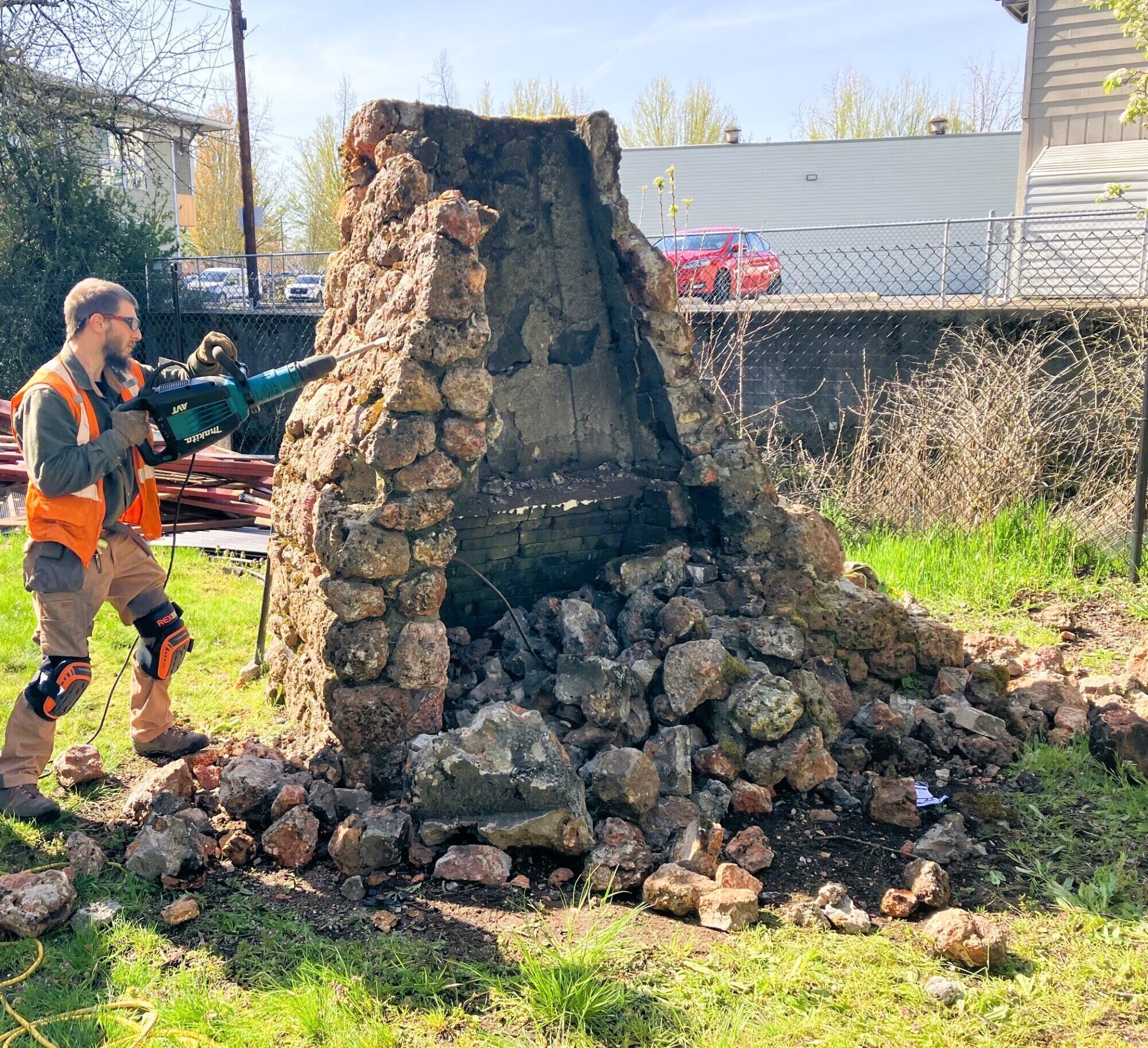
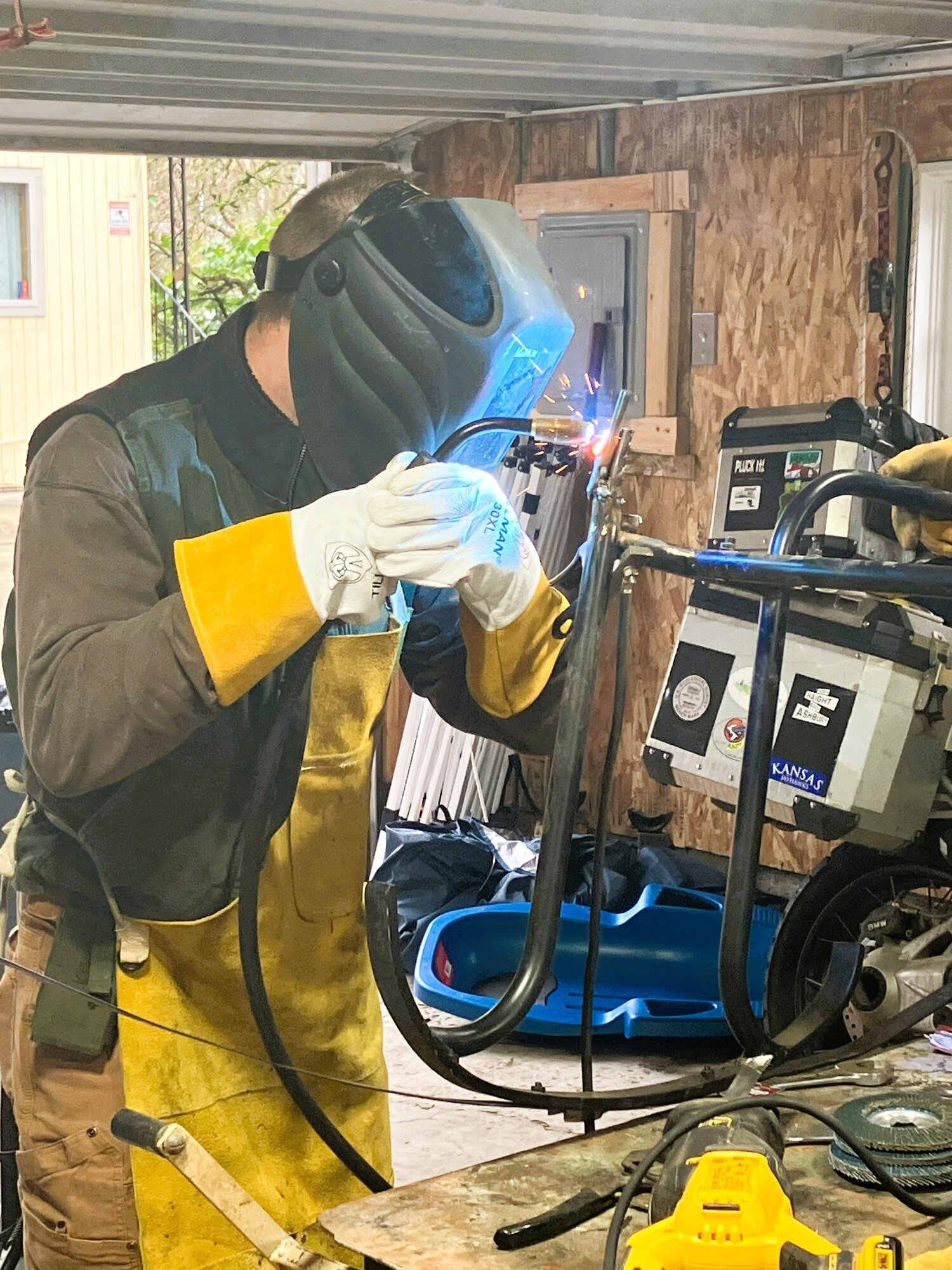
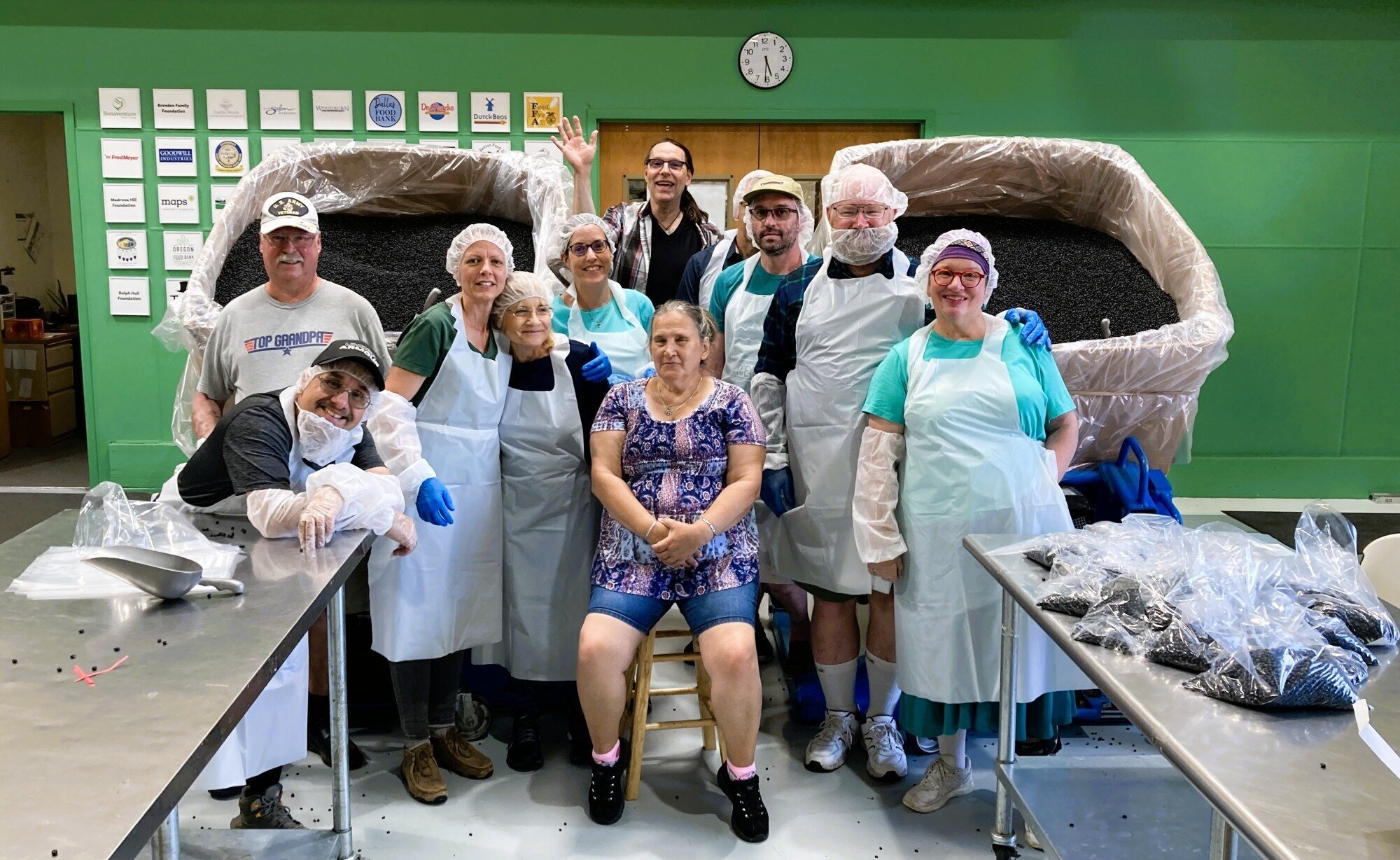
Minds In Motion Initiative (MIMI) was founded as a 501c3 (non-profit?) by Steve Paysinger in Salem, Oregon in November of 2021. Steve has a 40-year career as an Occupational Therapist and leader in the field of brain injury rehabilitation having evaluated and treated several hundred individuals who sustained some form of acquired brain injury. Living and working in the same community for 35 years has allowed Steve the opportunity to witness the progression or regression of function for those he and the rehabilitation team provided therapy for and what primary influences affect long term quality of life. The primary gaps identified are not necessarily lack of rehabilitation services. They are social, vocational, living, and emotional support, which often lead to unemployment, loneliness, homelessness, and hopelessness. These are not the typical definitions used in defining outcomes post rehabilitation. |
|
|
|
|
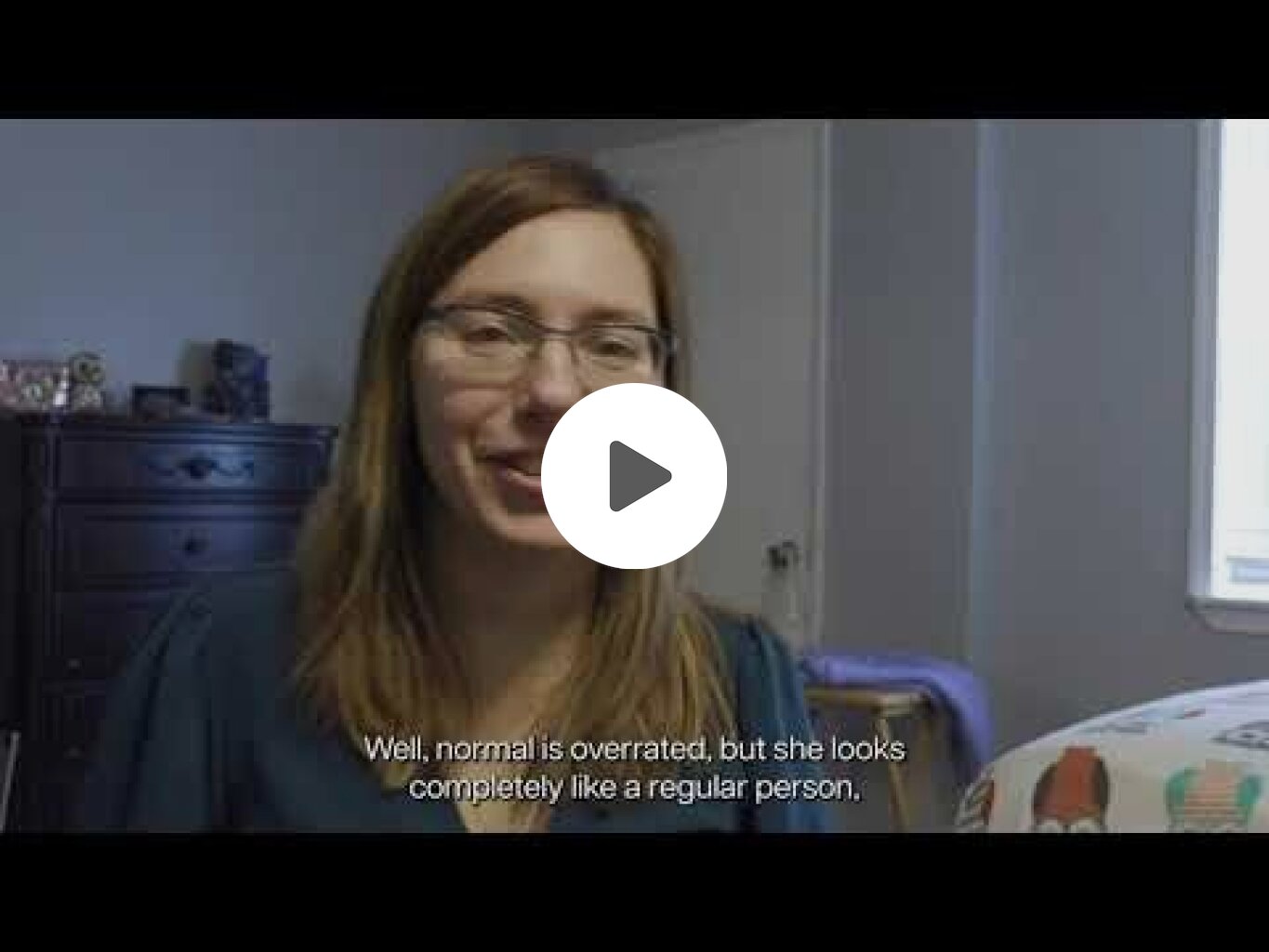
MIMI is comprised of a dedicated and passionate team of individuals with a shared vision for people living with brain injuries to have opportunities to live the way they choose. Our north star is “Change.” Our key drivers are four initiatives which are designed to foster a person’s autonomy and empower them to drive their life. Those initiatives are “Living Services,” “Agency,” “Access,” and “Advocacy.” Finding ways for people to live in their own place, accessing the resources needed to do so, finding their purpose which inspires, and advocating for change. The services we provide, residential, vocational, resource navigation, consulting, education, support group facilitation and more, are grounded in a belief that all people are valued and have potential. We provide opportunities which facilitate self-discovery of a person’s own value and potential. We celebrate when someone does something they never thought possible. We are thankful for NASHIA for this opportunity to spotlight our grassroots efforts, striving to influence positive change benefiting people living with brain injury. |
|
|
Want to learn more about becoming a NASHIA Supporting Organization? |
|
Call to Action: Medicaid Work Requirements |
The House Energy & Commerce Committee passed their portion of a reconciliation package. Part of the package institutes Medicaid community engagement requirements. An individual can meet the community engagement requirements during a month by working at least 80 hours, completing at least 80 hours of community service, participating in a work program for at least 80 hours, enrolling in an educational program for at least 80 hours, or a combination of these activities for at least 80 hours.
While the bill includes exemptions, people who live with significant daily challenges as a result of their brain injury may not qualify for the disability exemptions outlined in the legislation. The National Association of State Head Injury Administrators and Brain Injury Association of America released a Policy Paper asking Congress to consider the needs of people with brain injury.
They also released a press release, which highlights the complexities for people living with invisible disabilities.
The National Association of State Head Injury Administrators (NASHIA) is reporting that state administrators are already seeing gaps in care for individuals with brain injuries. The proposed work requirements risk widening these gaps further, particularly for people who live with significant daily challenges as a result of their brain injury but who may not qualify for the disability exemptions outlined in the legislation or are in the early stages of navigating disability systems.
We encourage you to contact your legislators and make your voice heard! |
Upcoming Awareness/Inclusion Opportunities |
Looking for opportunities to join the awareness conversation or be inclusive in celebrations? Here are some ideas for you to add to your newsletters, websites, and social media posts.
LGBTQ+ Pride Month - All of June
Aphasia Awareness Month - All of June
Tourette's Awareness Day - June 7
World Elder Abuse Awareness Day - June 15
Juneteenth - June 19
Olmstead Recognition - June 22
National PTSD Awareness Day - June 27 |
|
You received this email because you subscribed to our list. You can unsubscribe at any time. PO Box 59165 Potomac, MD 20859 USA |
|
|
|