|
|
Supporting Org. Spotlight |
|
|
Welcome to NASHIA Connections!
The monthly newsletter for everything NASHIA.
You are receiving this newsletter because you are a valued partner in the brain injury community and with NASHIA.
This issue includes updates on activities and resources from our partners, a new archived webinar, 4th quarter 2025 OBISSS screening data, a highlight of the OBISSS in the news, and an introduction to three of our Supporting Organization Members. |
|
|
|
|
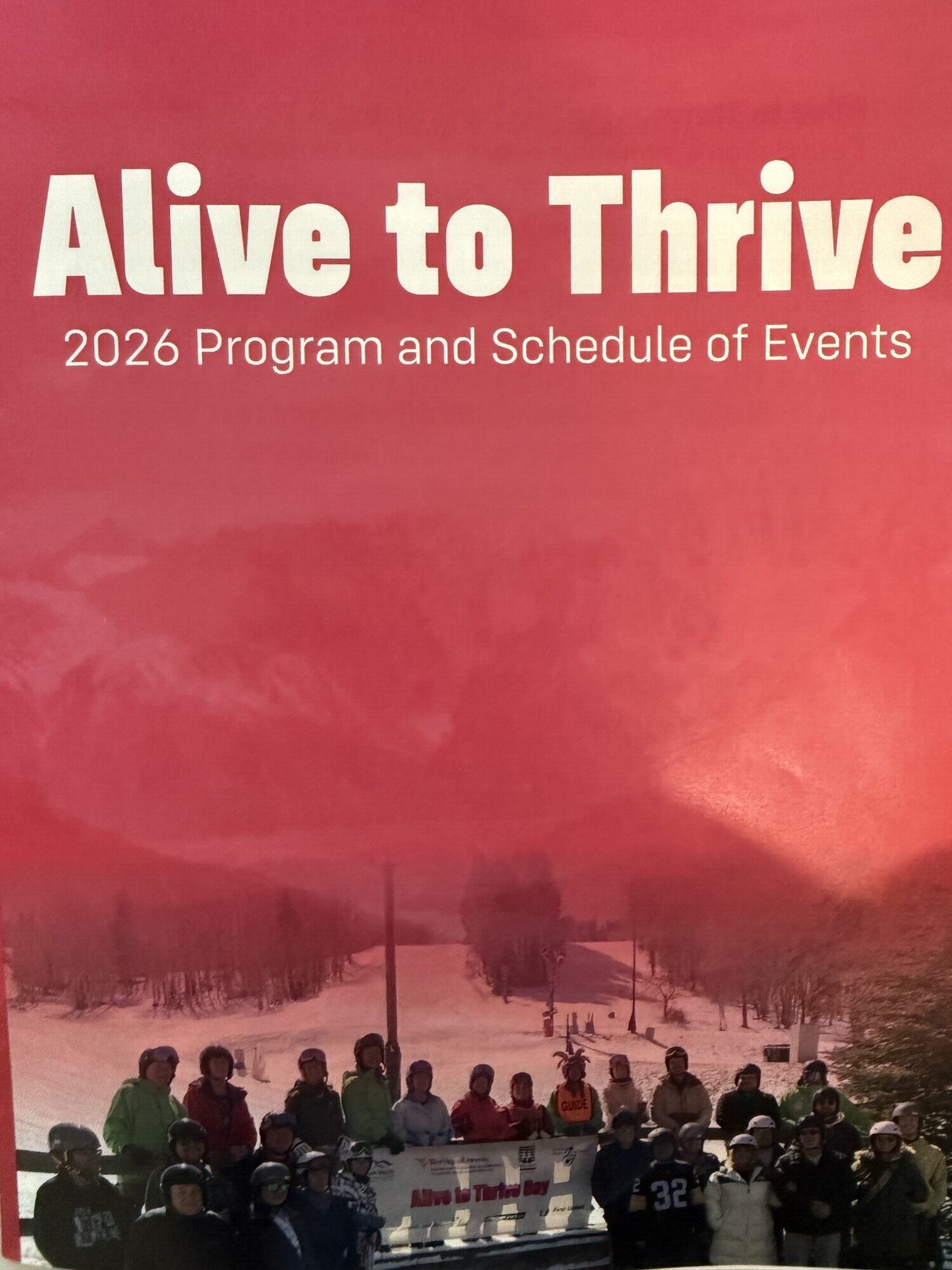
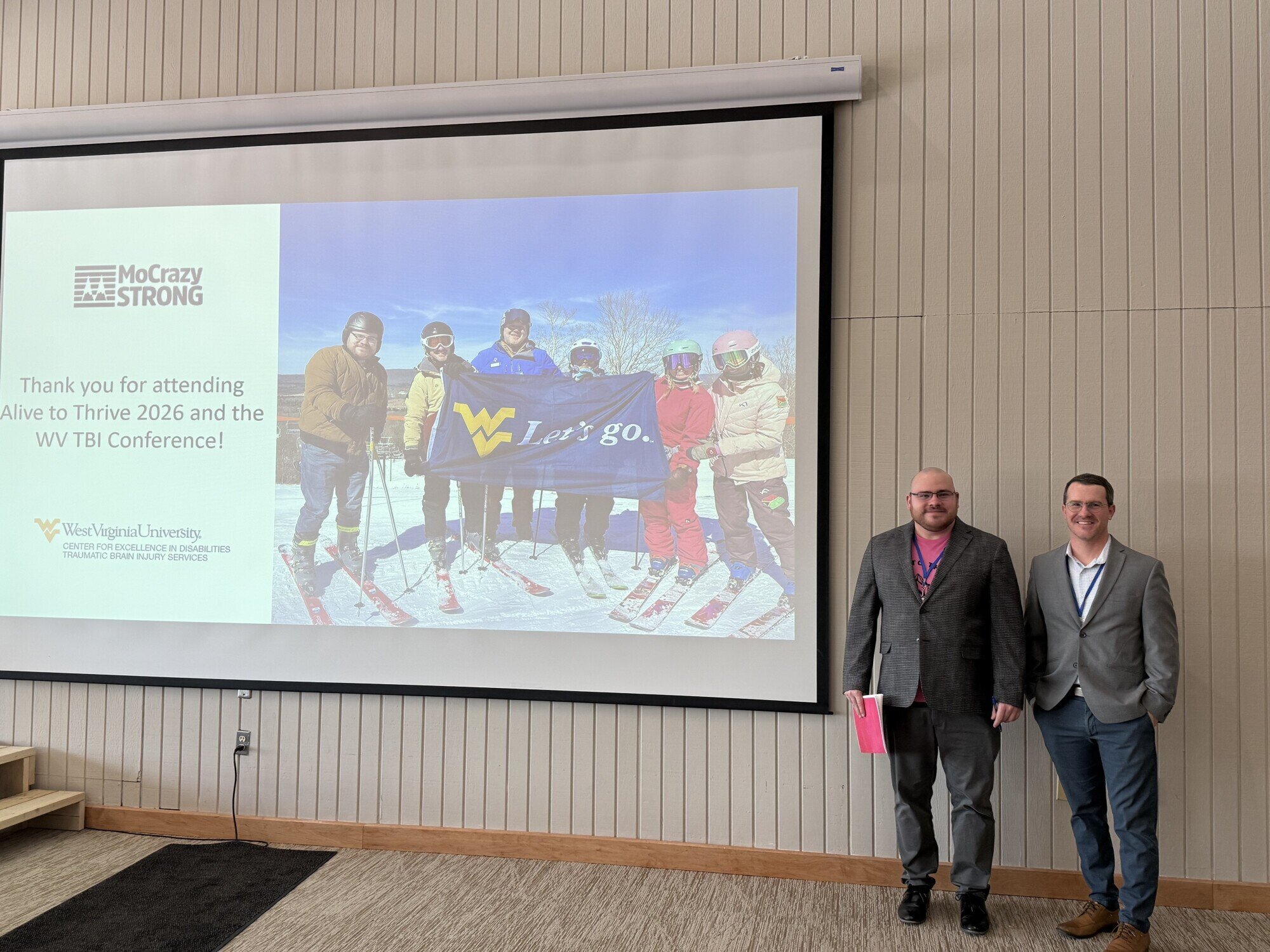
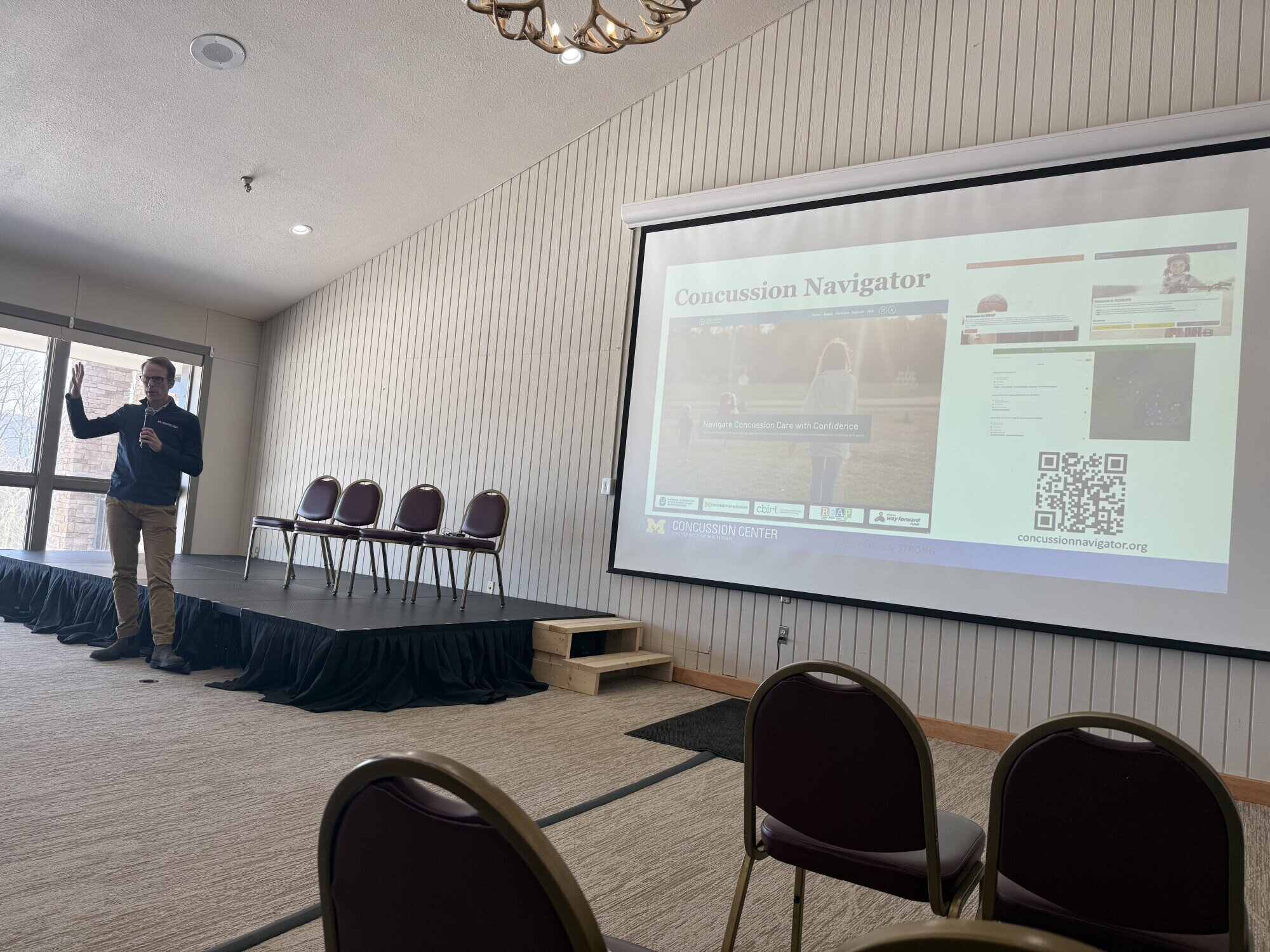
NASHIAs Executive Director Rebeccah Wolfkiel was pleased to attend and present at West Virginia’s TBI conference which was held in partnership the Jamie Mo Crazy Foundation and Toyota Way Forward Fund.
Congratulations to the WV TBI Services for putting on such an inspiring event! |
|
|
|
|
|
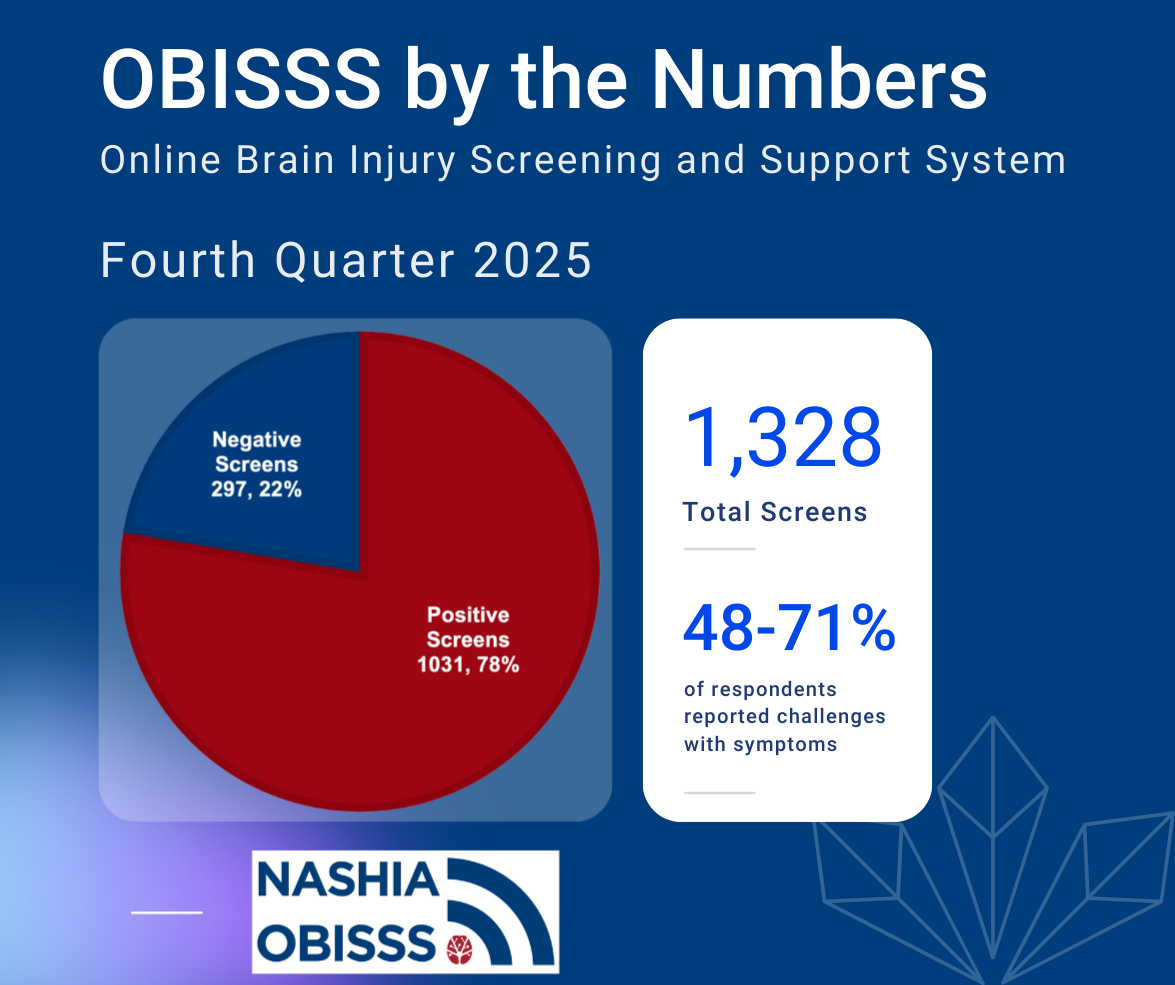
OBISSS Q4 Reports Are Live!
Thanks to our dedicated subscribers, 1328 screenings were completed in Q4, with 78% positive for potential brain injury and 48-71% of participants reporting challenges with symptoms. Your commitment to helping identify and support individuals living with brain injury is unmatched.
|
|
|
|
Want to make a difference in your state or community? Use the OBISSS and help expand access to vital brain injury screening. |
|
|
|
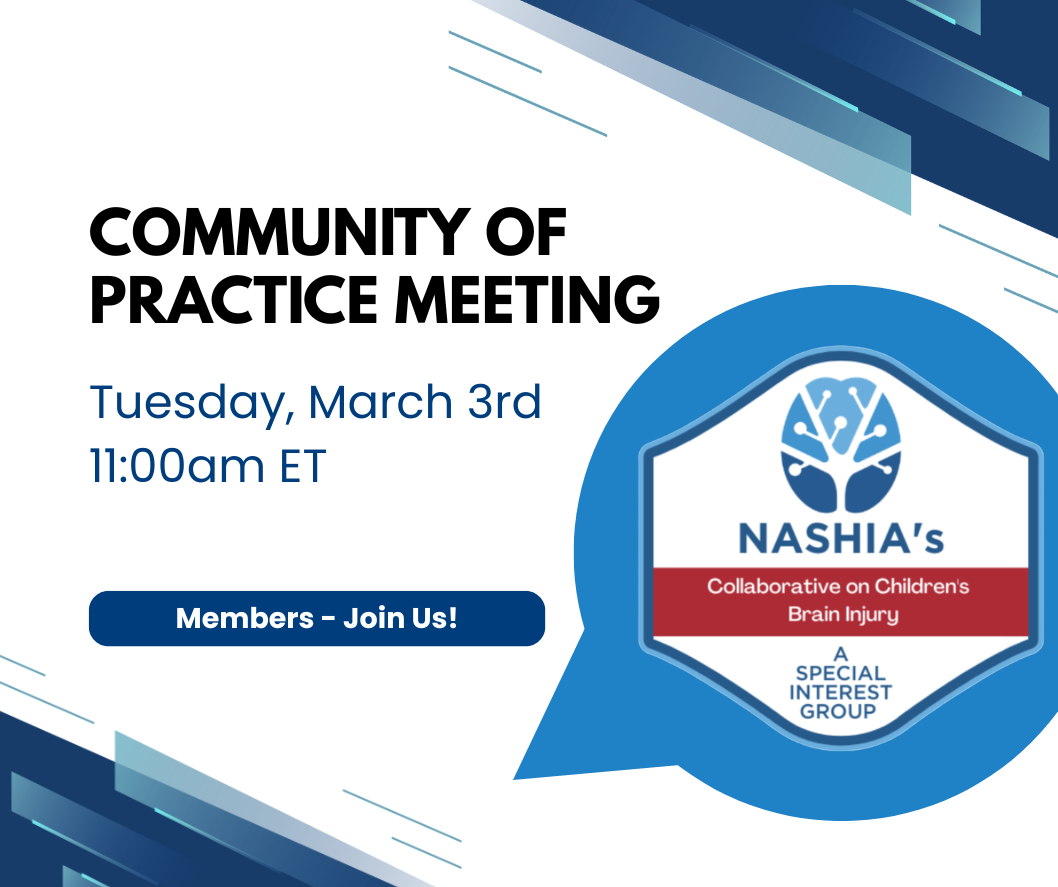
NASHIA's Collaborative on Children's Brain Injury Special Interest Group will be holding its next community of practice meeting on Tuesday March 3, 2026 at 11:00 AM EST.
|
|
|
|
Angela Ciccia, PhD, CCC-SLP will be presenting on Youth with Complex Needs Including Brain Injury. Dr. Ciccia is a Professor within the Department of Psychological Sciences, Communication Sciences Program at Case Western Reserve University and a certified Speech-Language Pathologist. Her research focuses on understanding long-term outcomes for children with acquired brain injury (ABI) with an exploration of environmental and contextual variables that may impact outcomes. Additionally, she works to understand essential ingredients for intervention for youth with ABI especially as it relates to return to school and chronic management.
After a brief welcome and introduction, Dr. Ciccia will present for approximately 45-minutes and then she will be available for at least an additional 15-minutes for questions and discussion. Our meeting can remain open for additional discussion and extended conversation until 12:30. We can hear what you are doing in your states related to this topic and how we might consider incorporating ideas from the speaker more broadly across the country.
We hope you can join NCCBI for this meeting!
NASHIA's Special Interest Groups are a Member Exclusive opportunity. Members - check your email for information on how to join the meeting! |
|
|
|
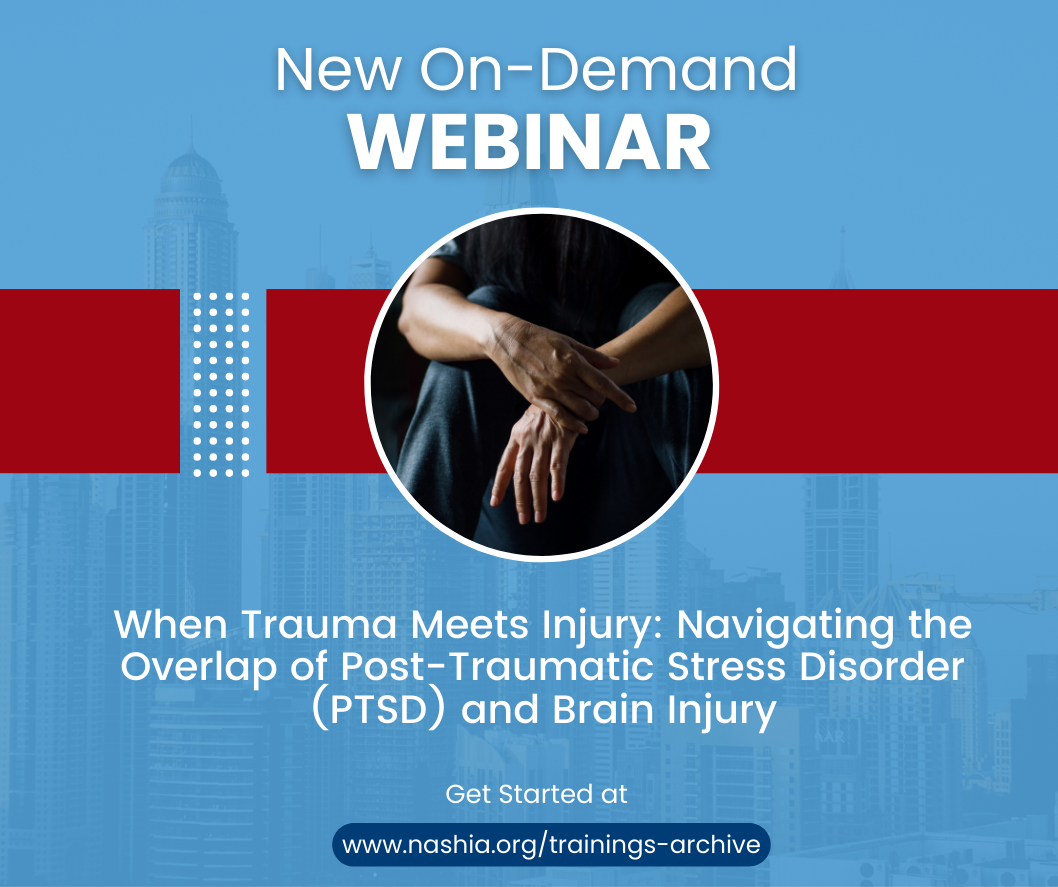
Now Available On-Demand: PTSD and Brain Injury
Missed the live training? Good news! The archived recording is now available free on our website. |
|
|
|
This session explores the complex relationship between trauma and brain injury, with practical insights for providers, systems leaders, and anyone supporting individuals navigating both.
✔️ Watch anytime ✔️ Free access ✔️ Continuing Education (CE) credits available
If you work in behavioral health, rehabilitation, corrections, victim services, or community-based care, this training offers valuable perspective you can apply right away. |
|
|
|
Where is your state plan in its lifecycle? Whether you’re at the midpoint or approaching completion this year, now is the time to take stock. NASHIA can review, synthesize, and clearly report on your progress. Consider using your ACL carryover to support state plan review and analysis technical assistance. |
|
|
|
|
|
2026 SEED Summit
March 10 & 12, 2026 Washington, DC |
|
|
NASHIA's collaborative event to develop, grow, and sustain state and partner infrastructure that supports individuals with brain injury.
The SEED Summit is designed to help:
Strengthen State Systems Enhance State Infrastructure Engage existing or new partners Develop programs that optimize outcomes for individuals you serve. Space is limited - be sure to register soon! |
|
|
Community of Practice: Integrating Brain Injury into Certified Community Behavioral Health Clinic (CCBHC) Systems
Sessions run May - December 2026 |
|
|
Want to build upon your CCBHC efforts? NASHIA can help! We’ve assembled technical assistance packages, from foundational to fully customized support, to meet your needs.
Tier 1: Foundational/Group-Based Support Baseline for action and building shared understanding.
Tier 2: Blended Group and State-Specific Support Intermediate option supporting movement from exploration to implementation.
Tier 3: Intensive/Fully Customized State Support Full-service option to drive systems change and long-term sustainability. |
|
|
The Moody Implementation Guide: Standardizing Brain Injury Resource Facilitation
May 6, 2026 1:00pm - 2:00pm ET
Save the Date - Registration Coming Soon! |
|
|
Brain Injury Resource Facilitation is a structured intervention that connects individuals with brain injury to essential resources to enhance independence and improve outcomes, using a flexible, person-centered approach.
Join us for a dynamic discussion of BIRF and the new Resource Facilitation Implementation Guide, geared towards addressing these challenges and providing a map to follow for best practice in this area. Funded by the Moody Endowment and created collaboratively through NASHIA, this guide will be a current and future tool for consistent service delivery and data collection/utilization for rationale to sustain these supports. |
|
|
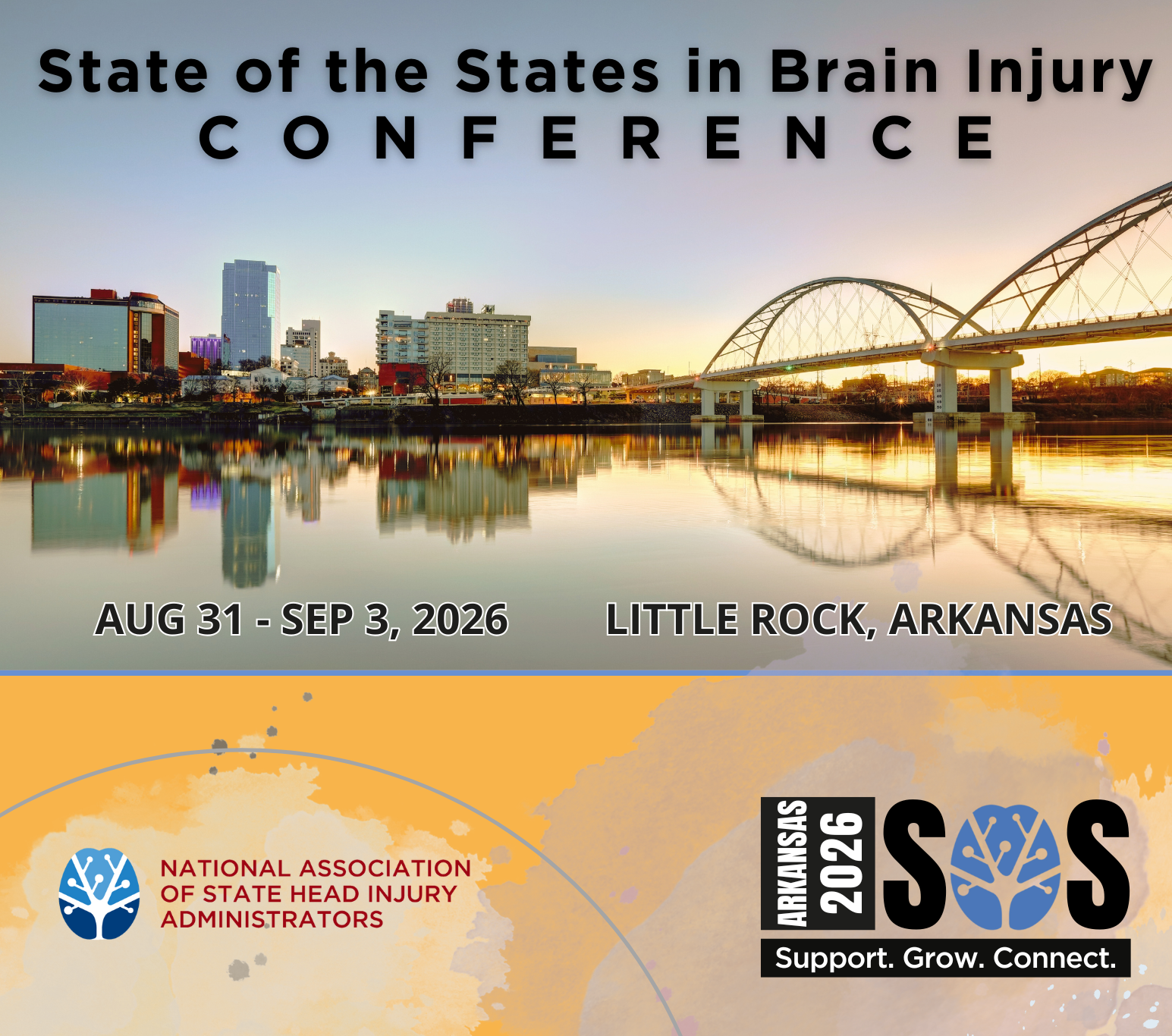
State of the States in Brain Injury Conference
August 31 - September 3, 2026 Little Rock, Arkansas |
|
|
2026's SOS will be the 37th consecutive year that NASHIA has hosted the conference.
SOS continues to bring state leaders together, alongside brain injury advocacy organizations, partners, researchers, and providers.
This year’s conference will highlight work in the Criminal Legal System (CLS), Clinical Practices (CP), Behavioral Health (BH), and Medicaid/Long-Term Services & Supports as content tracks, as well as bring content applicable to the whole brain injury community. |
|
|
Exploring Risks of Repeated Head Impacts in Youth and Strategies to Minimize Exposure: Proceedings of a Workshop |
|
|
Understanding how repeated head impacts (RHI) affect the developing brain - along with the biological, behavioral, and social factors that influence short- and long-term exposure - is a growing area of scientific inquiry and public health concern. The National Academies' Forum on Traumatic Brain Injury convened a workshop in April 2025 to examine the known and unknown surrounding youth exposure to RHI. |
|
|
Implementation Guide to Accompany Strong Infrastructure Components for Brain Injury (BI): State Self-Assessment Tool |
|
|
The implementation guide, Maximizing Use of the State Self-Assessment Tool: Strong Infrastructure Components for Brain Injury (BI), developed in 2025, provides a structured framework to help you apply the tool across programs, policies, systems, and recommendations, and is designed to increase effective utilization of the self-assessment tool. |
|
|
Non-Medical Drivers of Health and Brain Injury - A Fact Sheet for Providers |
|
|
Individuals with a brain injury or any other chronic condition possess a lifetime of experiences. These past experiences and the present environment can significantly affect how they cope with their brain injury and influence their overall health. Collectively, these experiences and environments are known as non-medical drivers of health.
A recent subgroup from the Moody Galveston Conference developed a fact sheet aimed at helping healthcare providers adopt a more holistic approach to treatment. |
|
|
Minds Matter is an organization providing community-based brain injury rehabilitation services throughout Kansas and Missouri. Our team is dedicated to assisting people of all abilities to live, work, and play in their communities. For over 30 years, our model of care has empowered people to find joy in their lives and successfully live with their injury—utilizing an individualized rehabilitation approach based on person-centered care. Most importantly, our model focuses on helping people access services and navigate systems of care while living in their own home. Not only do we believe this approach is more effective, we believe it’s what’s right. For more information, please connect with Daniel Kennedy, Vice President of Outreach at Minds Matter via email (danielk@mindsmatterllc.com) or phone (913-789-9900). |
|
Brain Injury Association of Colorado |
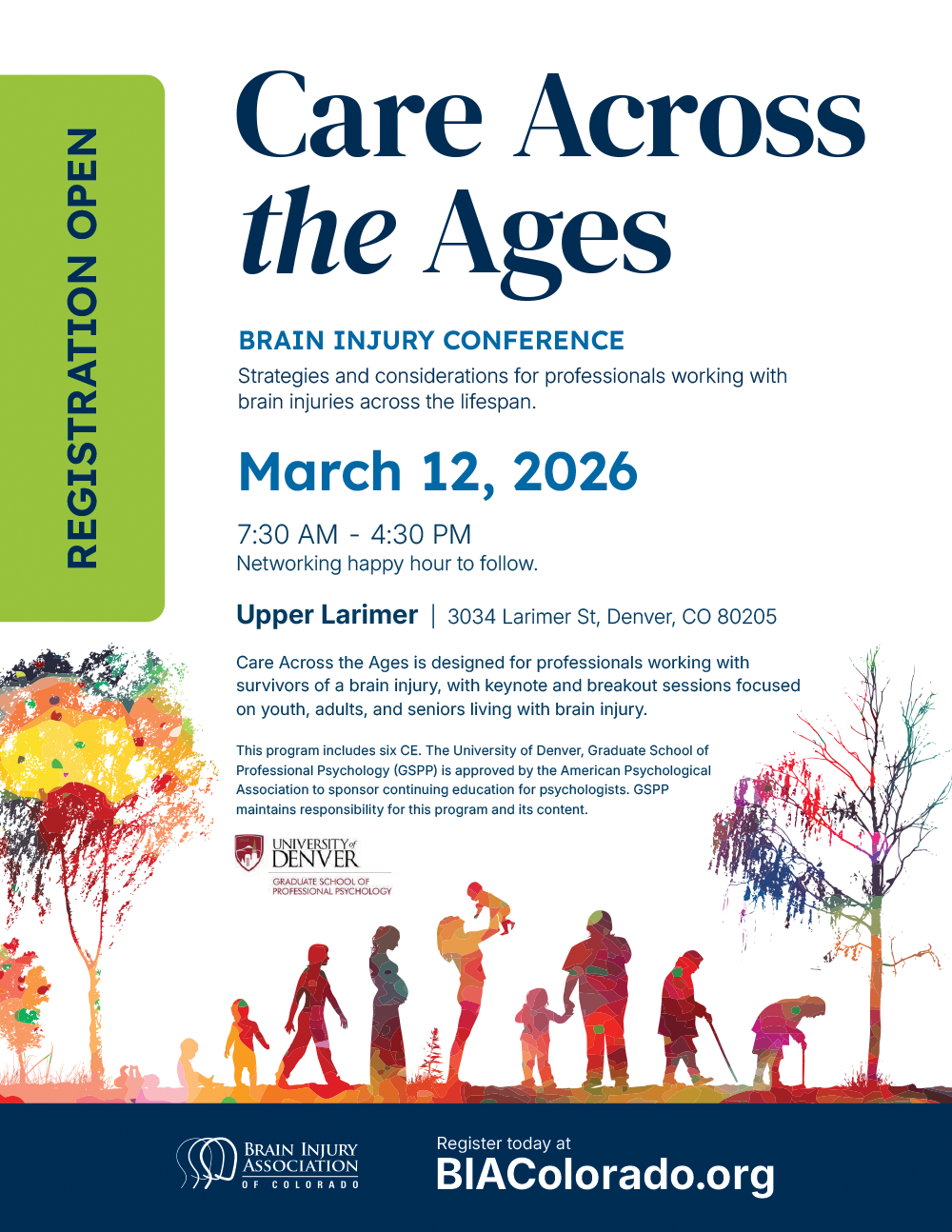
The Brain Injury Association of Colorado will host Care Across the Ages Brain Injury Conference - Thursday, March 12th in Denver, Colorado.
Following the success of their 2025 "Leading the Way Brain Injury Conference," the Brain Injury Association of Colorado will shed light on strategies and considerations for working with brain injuries across the lifespan at Care Across the Ages. This conference is specifically designed for professionals working with survivors of a brain injury, with keynote and breakout sessions focused on youth, adults, and seniors living with brain injury.
Individual registration is $200 and includes meals and on-site networking opportunities. Register today and connect with hundreds of professionals in the field of brain injury working in Colorado and beyond. Visit https://biacolorado.org/events/brain-injury-conference/ to learn more and register today. |
|
Alaska Brain Injury Outreach Extends to Nome, Reaching Underserved Communities
The Traumatic and Acquired Brain Injury (TABI) Program at Daybreak Inc. expanded its statewide outreach efforts this year, extending activities beyond the Anchorage and Matanuska–Susitna regions to better reach underserved communities across Alaska. These efforts reflect the program’s ongoing commitment to increasing awareness, strengthening partnerships, and improving access to support for individuals experiencing brain injury. |
|
Outreach to the Kenai Peninsula The first outreach trip of the year focused on the Kenai Peninsula. TABI staff participated with the at the University of Alaska Anchorage providing a presentation on the Brain Injury Assessment Screening Kit for Evaluating Trauma and Symptoms (BASKETS) developed by the Center for Human Development —for use in intimate partner violence settings. The Leeshore Center hosted this session, which brought together their advocates seeking tools to better serve survivors affected by brain injury. |
|
|
|
|
TABI staff also presented an overview of the Supplemental Support Program to partners at the Independent Living Center in Soldotna, reinforcing collaborative relationships and ensuring that local providers are aware of available support that help individuals with brain injury maintain stability and independence. |
|
|
|
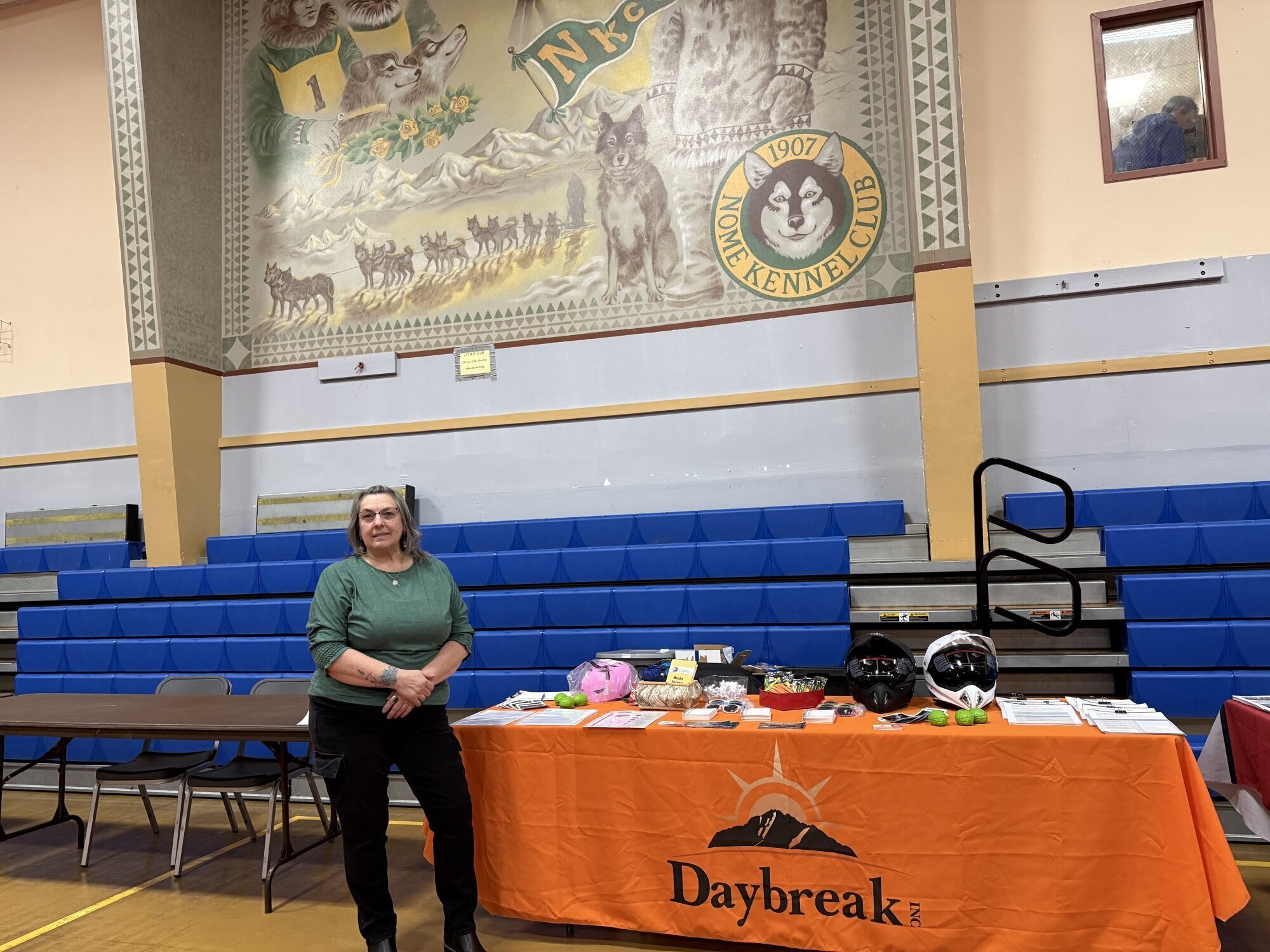
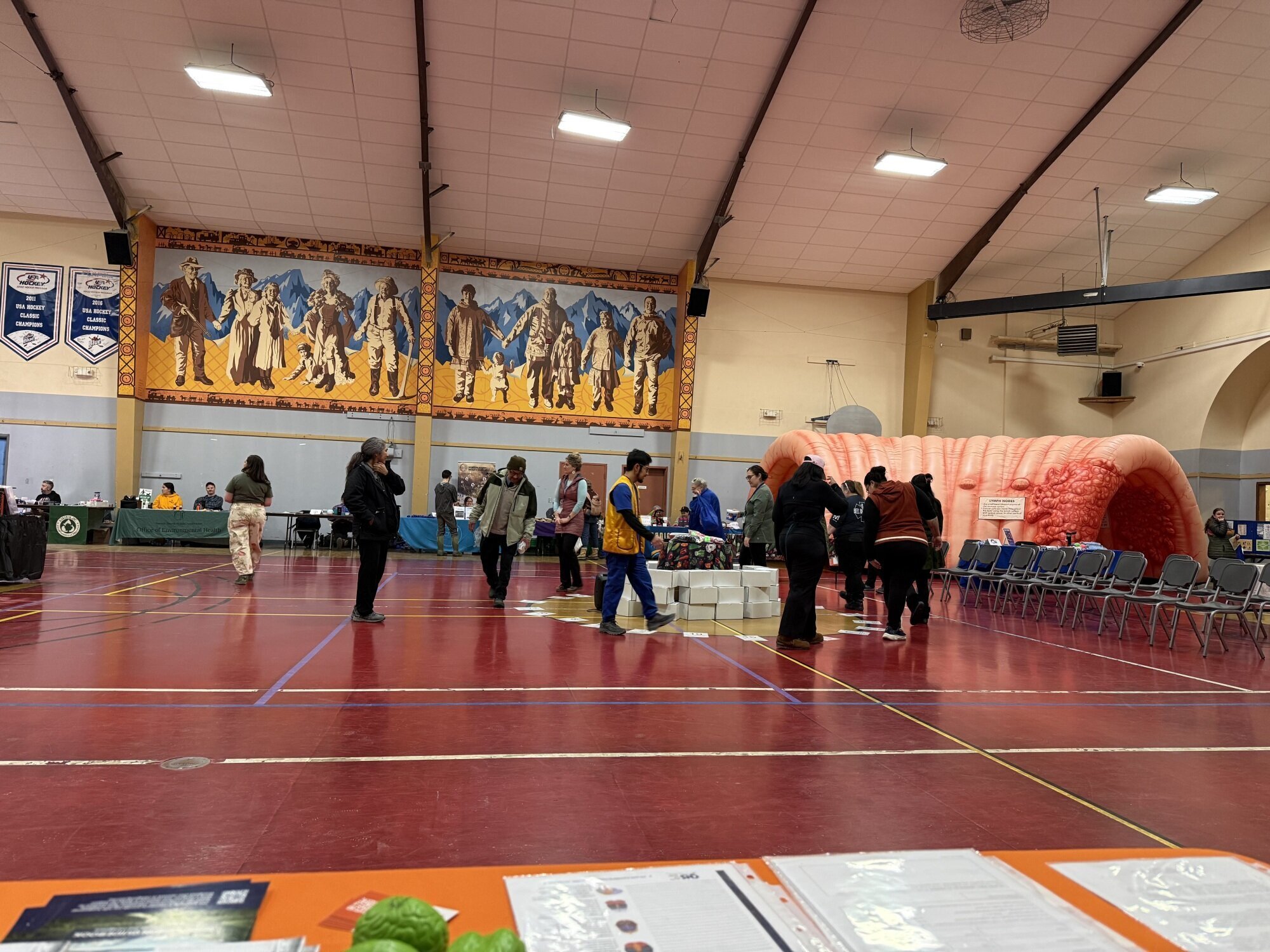
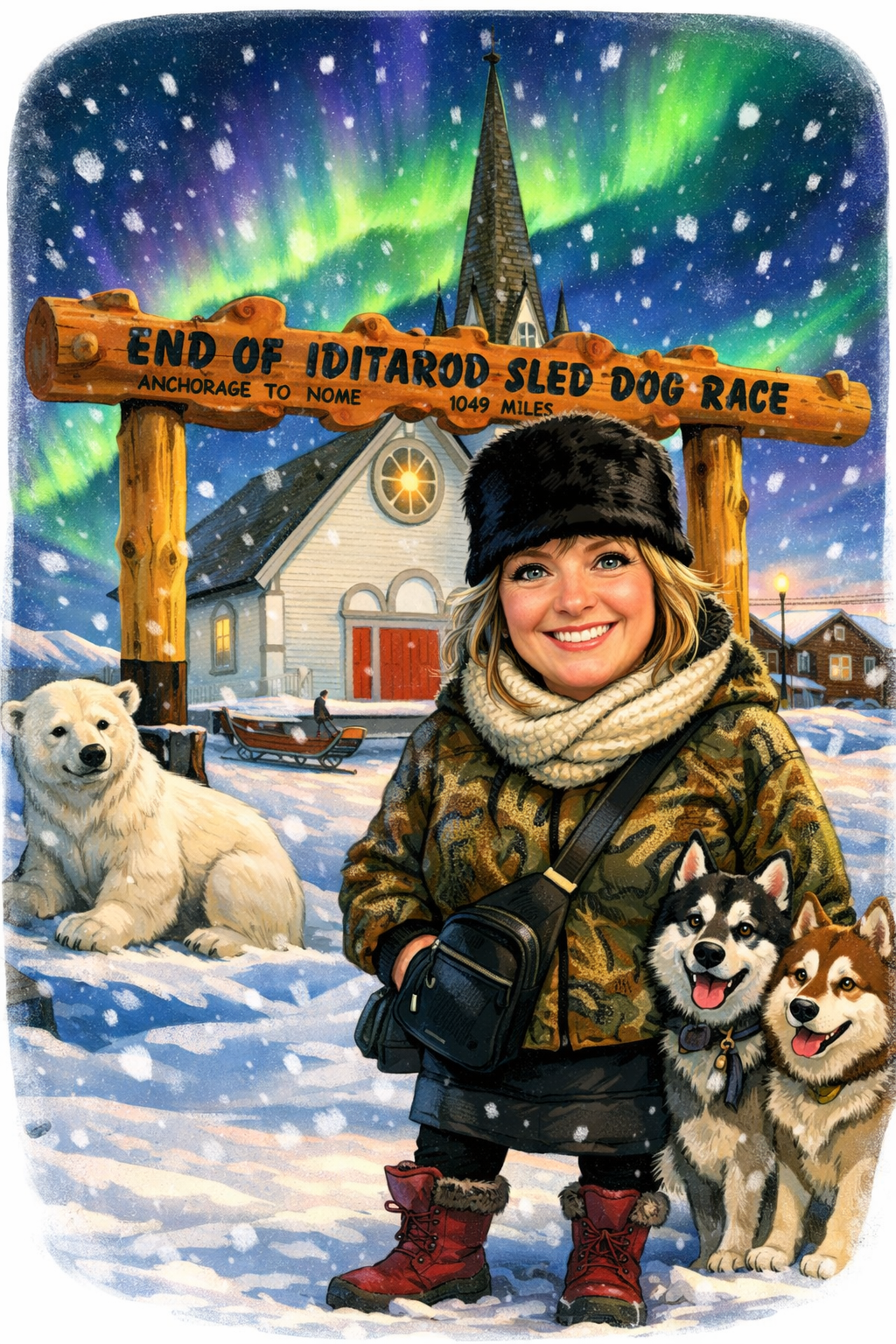
Extending Outreach to Nome The final outreach event brought the TABI Program to Nome, Alaska, a remote community on the southern Seward Peninsula and the historic finish line of the Iditarod Trail Sled Dog Race. Program staff traveled with educational materials, safety resources, and outreach supplies to participate in a regional health and wellness fair. |
|
|
|
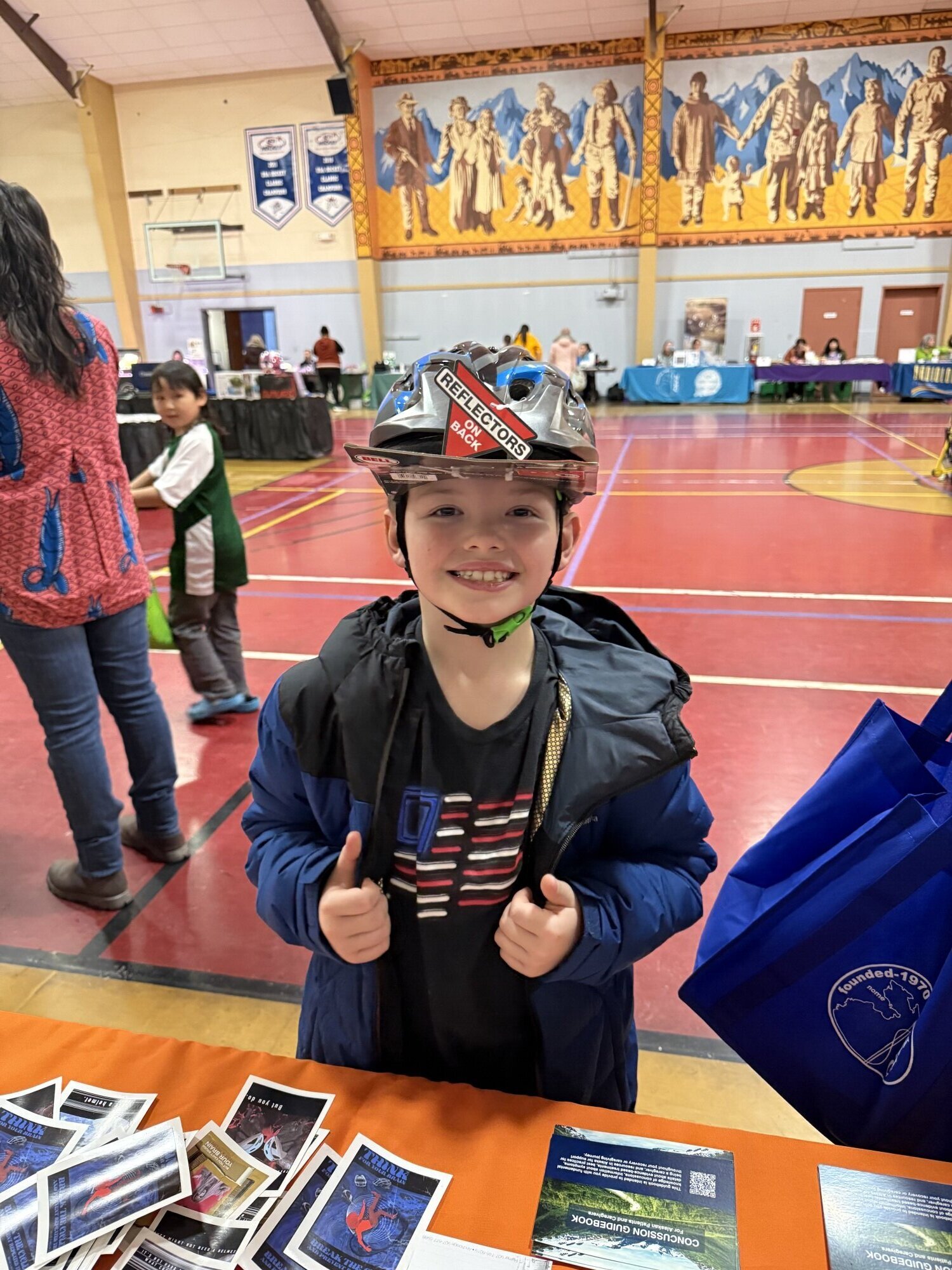
The event featured a broad representation of community organizations, educators, and health‑related service providers. Daybreak’s TABI booth attracted significant engagement from attendees, many of whom expressed interest in learning more about the prevalence, impact, and common misconceptions related to brain injury in Alaska. Junior high and high school students participated actively in outreach activities, including a helmet drawing supported by a donation from Arctic Access, Inc. Additional activities helped create opportunities for connection and conversation. |
Community Impact A meaningful outcome of the Nome outreach was the opportunity to hear directly from community members and families who have experienced brain injury. Their willingness to share their experiences reinforced the importance of making education and support accessible in all regions of the state, including those that are geographically remote. The Daybreak TABI Program remains committed to statewide outreach that promotes awareness, fosters collaboration, and ensures that all Alaskans—regardless of location—have access to resources that support quality of life and long‑term wellbeing. |
|
UMKC-IHD Featured in Local News |
Congratulations to the UMKC Institute for Human Development team for being featured in a local TV showcase highlighting their use of the OBISSS in vulnerable populations. Missouri gets it done! Shout out to Beth Dauber and her team for all the hard work they do to support people living with brain injury. NASHIA is proud to work alongside them in the community |
CMS Free Technical Assistance |
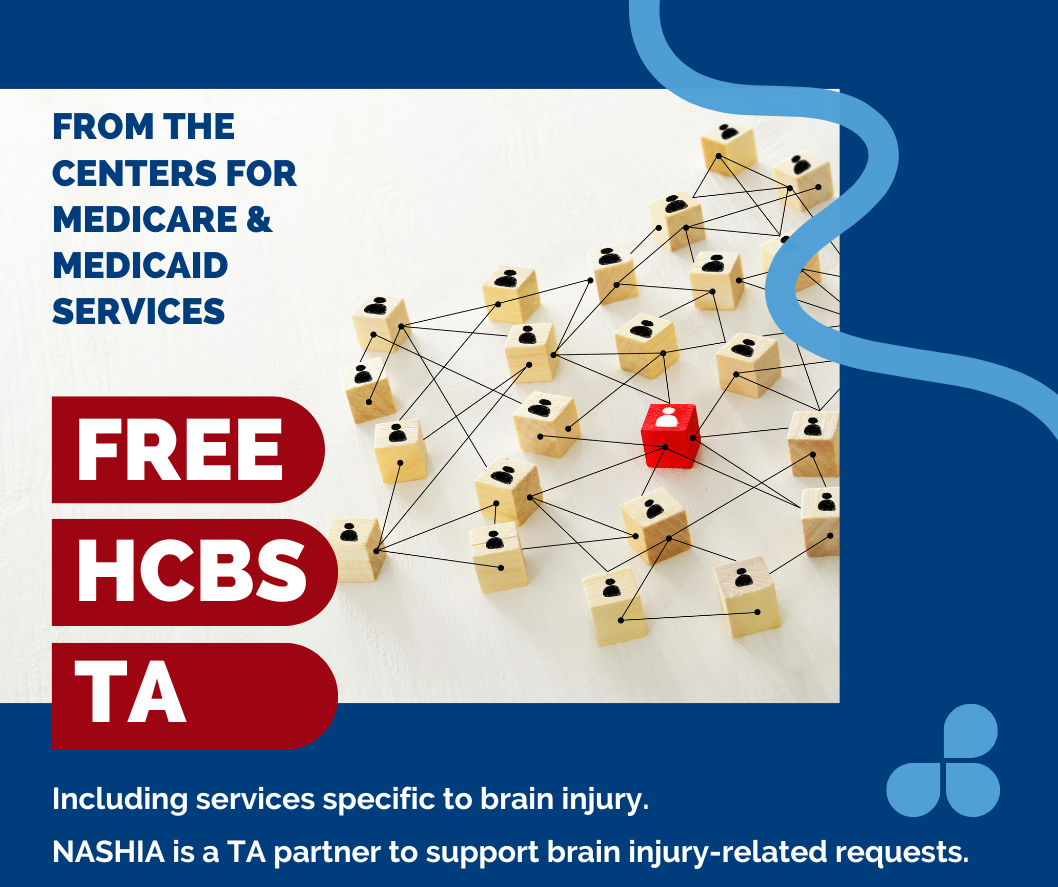
Want to create a new brain injury waiver, update services under an existing waiver, develop case management training, or interested in other HCBS efforts?
Don't forget that the Centers for Medicare & Medicaid Services offer FREE technical assistance in home and community-based services (HCBS). Ask the Medicaid agency in your state to apply and get help designing and implementing HCBS programs that fit your needs! |
|
Announcing The LoveYourBrain Summit: Advancing the Science and Practice of Holistic Healing after Brain Injury—a three-day online global conference uniting visionary leaders, scientists, and the brain injury community.
We'll explore emerging, evidence-based holistic therapies from neurofeedback and trauma-informed mindfulness to gut-brain health and non-invasive brain stimulation that have proven benefits after brain injury.
Plus—we'll have a special musical performance by Trevor Hall. Join us at the bold frontier of whole-person care after brain injury. Early Bird Tickets on sale now! |
|
You received this email because you subscribed to our list. You can unsubscribe at any time. PO Box 59165 Potomac, MD 20859 USA |
|
|
|