|
|
Supporting Org. Spotlight |
|
|
Welcome to NASHIA Connections!
The monthly newsletter for everything NASHIA.
You are receiving this newsletter because you are a valued partner in the brain injury community and with NASHIA.
This issue includes highlights from our team's presentations across the country in June, many new resources, updates from our partners at the Link Center, and an introduction to Supporting Organization Members Therap and Brain Injury Association of Utah. |
|
|
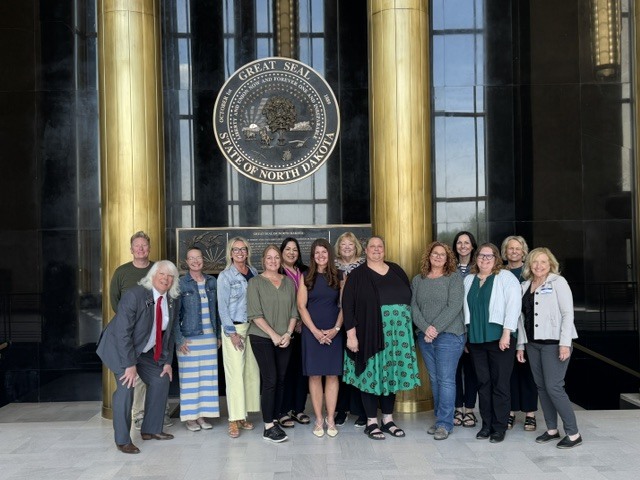
NASHIA had the honor of joining the North Dakota Brain Injury Advisory Council for its May in-person meeting at the state capitol in Bismarck. With Jill Ferrington supporting the council's work, members are driving their 2023–2027 Brain Injury State Plan into a strong fourth year — and NASHIA is proud to continue its partnership with Rebecca Quinn and the North Dakota Brain Injury Network as that momentum builds. |
|
|
|
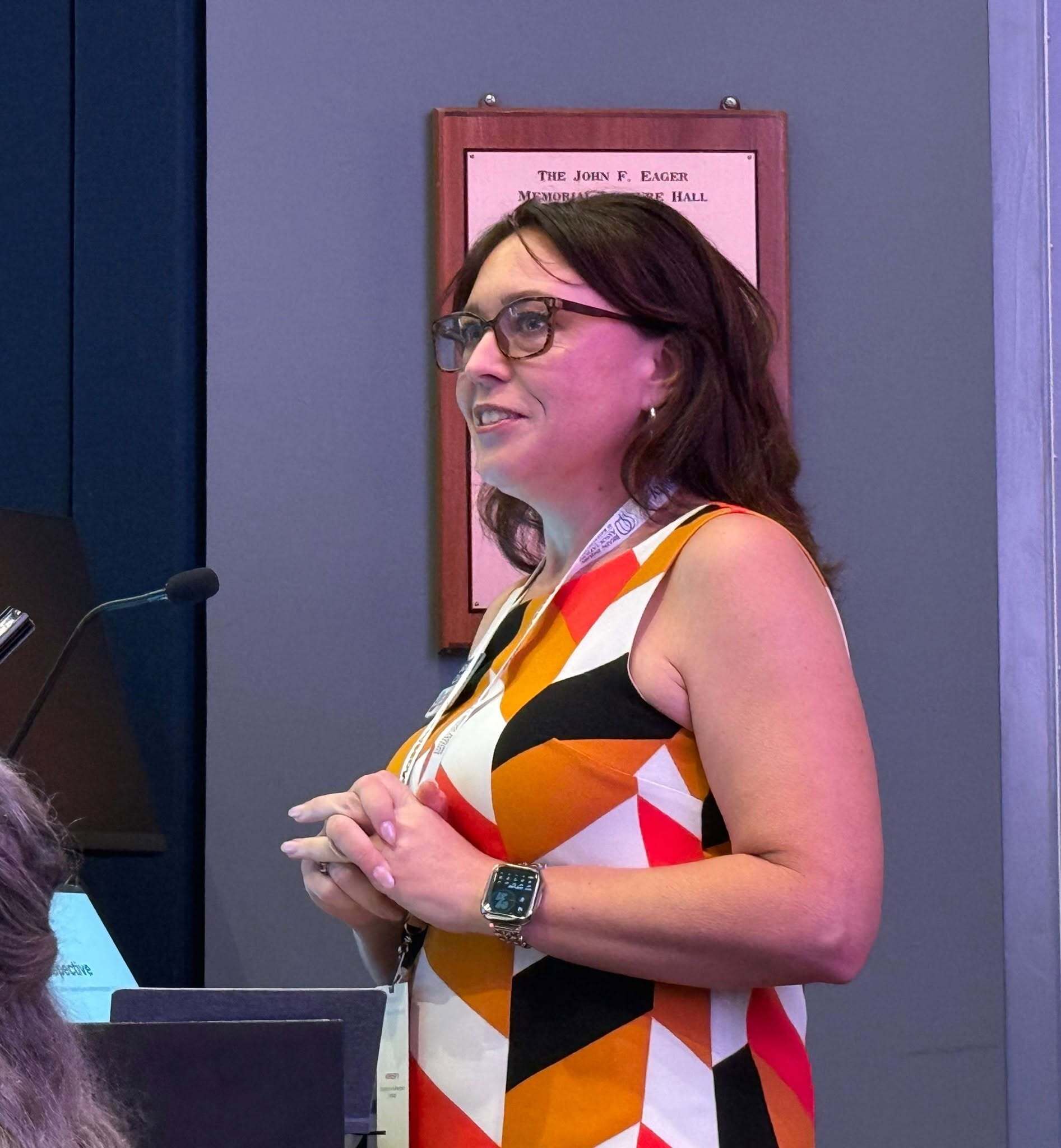
Haleigh Cushen, NASHIA's Director of Program Management, joined MassAbility and the Brain Injury Association of Massachusetts for their first-ever Awareness to Action event to bring together providers across the state to boost brain injury care and services.
Haleigh's presentation focused on the importance of brain injury screening and featured a highlight of NASHIA's Online Brain Injury Screening and Support System (OBISSS).
|
|
|
|
|
|
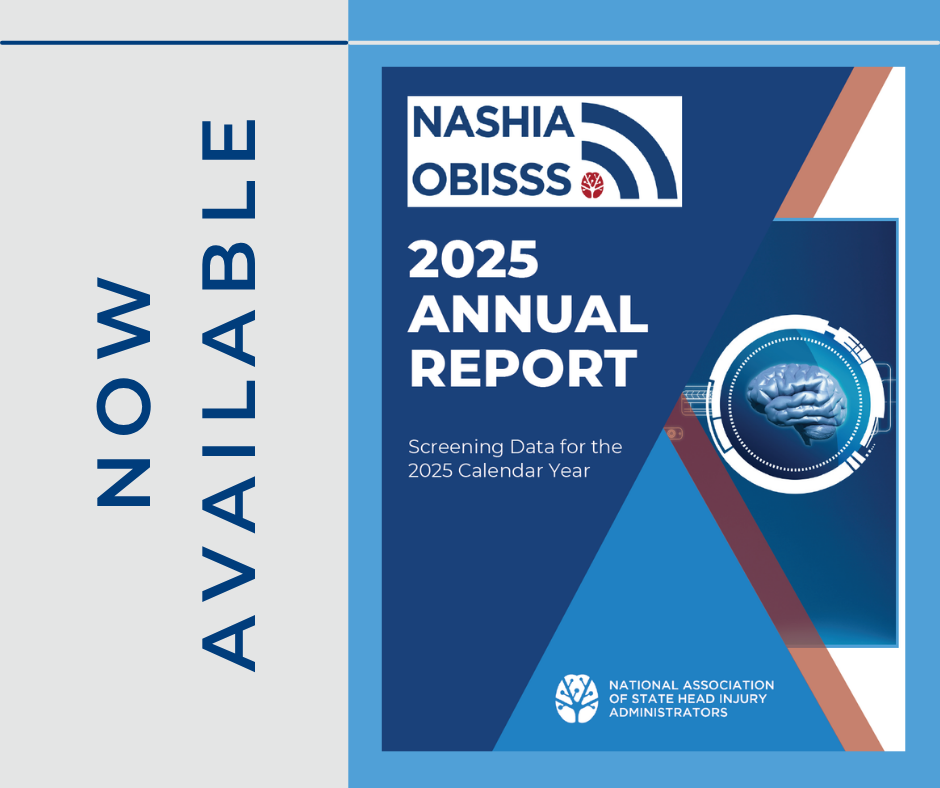
ICYMI....the 2025 OBISSS Annual Report is Here!
We are thrilled to share the latest report for our Online Brain Injury Screening and Support System (OBISSS). This year, the data tells a powerful story of growth, advocacy, and a deepening understanding of brain injury across the country.
|
|
|
|
The Highlights:
Tremendous Growth: We nearly tripled our reach this year, surpassing 3,000+ total screenings nationwide.
High Prevalence: Of those screened, 80% resulted in a positive indicator for a potential brain injury—underscoring the critical need for this tool in every state.
Deep Insights: The report breaks down barriers by analyzing demographics, symptom challenges, and service delivery settings.
The "Why" for Your Organization: This isn't just a report; it’s a blueprint for advocacy. Our subscription holders are using this data to secure funding, shape policy, and ensure no survivor falls through the cracks. Ready to bring these insights to your state? Join our growing network of subscribers and start capturing the data that changes lives. |
|
Moody Prize Event Keynote Speaker Announced |
|
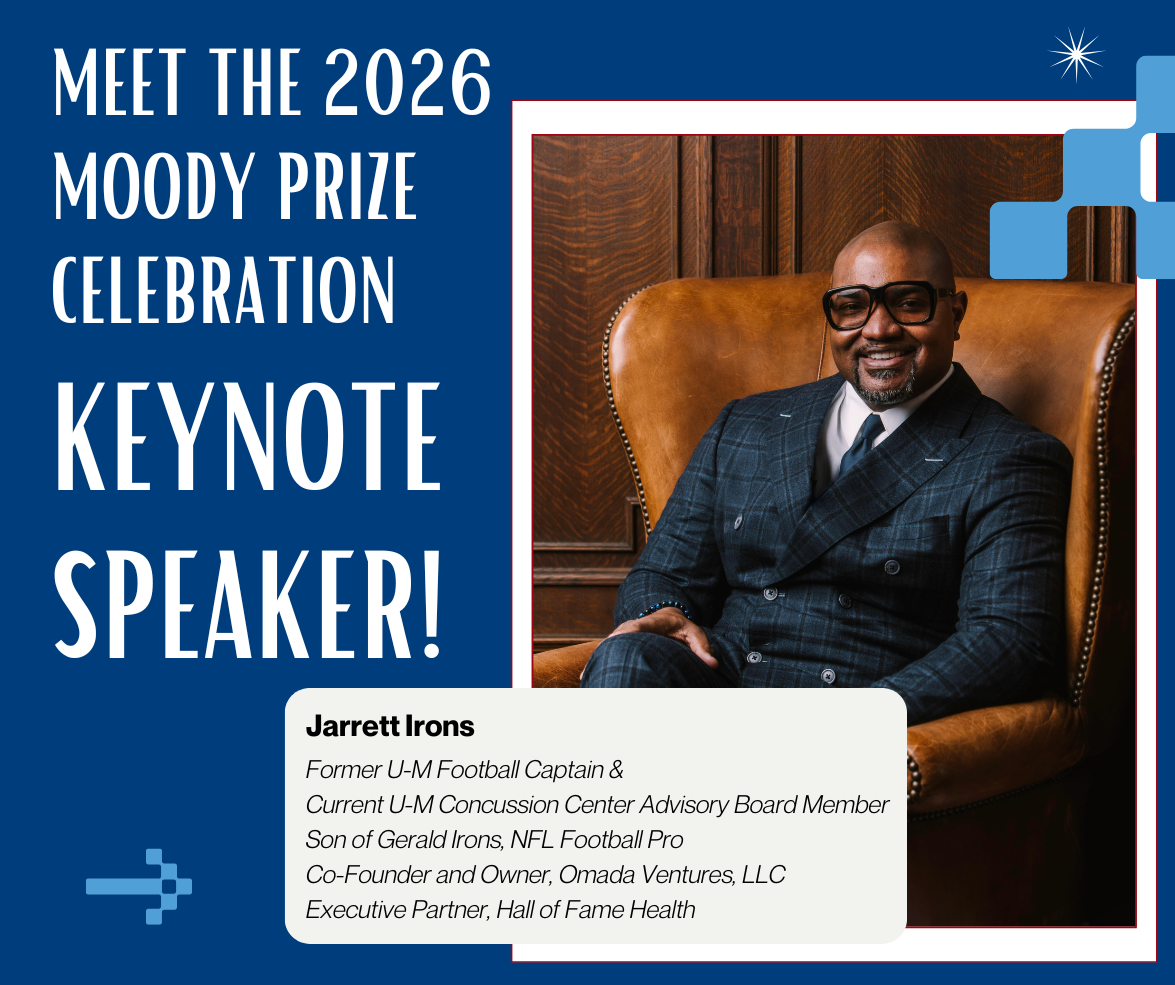
We are thrilled to announce that Jarrett Irons - dynamic entrepreneur, business leader, and former All-American football captain - will be the keynote speaker at the upcoming Moody Prize Celebration honoring Dr. Steven Broglio!
With over 25 years of experience leading high-growth business initiatives and strategic partnerships, Jarrett brings a vital perspective to the conversation surrounding life after injury. As a two-time captain of the University of Michigan football team, he understands firsthand the deep impact of concussions on individuals and families, and the resilience required to navigate that transition.
Today, Jarrett serves on the advisory board of the University of Michigan Concussion Clinic and acts as the Executive Partner of Hall of Fame Health, where he actively addresses the critical connection between brain injury, mental health, and substance use challenges for former athletes.
As the co-founder of Omada Ventures, Jarrett is a powerhouse voice championing innovation across healthcare, athletics, and human services. We cannot wait to hear his powerful story of leadership and reinvention.
Join us to celebrate Dr. Broglio and hear from Jarrett Irons! |
|
|
|
If you missed our live session of Mental Health Supports for Military Service Members, the full training is now officially archived and available for on-demand streaming.
Navigating the intersection of traumatic brain injury (TBI) and mental health challenges requires a specialized approach—especially when supporting active-duty military service members and veterans. |
|
|
|
The unique culture, systemic frameworks, and transitional hurdles of military life mean standard civilian intervention models often need careful adaptation.
This recorded session brings together expert insights to help clinicians, case managers, and state administrators better understand and deploy tailored behavioral health strategies for this dedicated population.
Add this vital tool to your professional library and learn at your own pace. |
|
SOS 2026 Partner Promotion Toolkit |
Need approval to attend SOS 2026 or want to get your partners to the table? We built a toolkit for that.
We know that securing professional development funding requires a strong business case. You need to prove that the budget you spend in Little Rock this August will directly benefit your state program when you return.
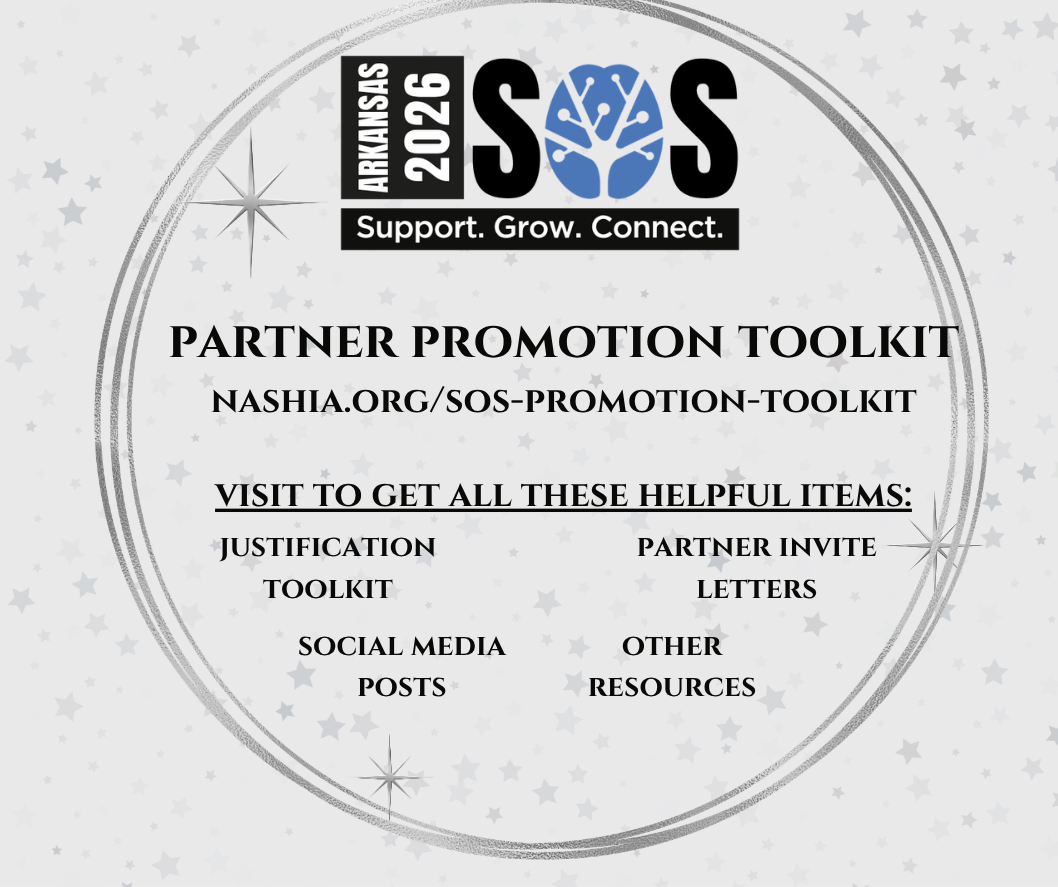
To help you secure that "Yes," NASHIA has officially launched the SOS 2026 Promotion & Justification Toolkit!
What’s inside the toolkit to help you get approved: 🔹 An Employer Justification Letter: A customizable template that maps out the direct ROI of your attendance. 🔹 An Attendance Expense Worksheet: A tool to help you break down expenses transparently for your leadership. 🔹 The Draft Agenda Link: Concrete proof of the high-value sessions you will be attending.
Bonus for our partners: The toolkit also features a full suite of promotional graphics and copy so you can easily encourage your state networks and stakeholders to join you! |
|
|
|
Community of Practice: Integrating Brain Injury into Certified Community Behavioral Health Clinic (CCBHC) Systems
Sessions run Sep 2026 - Feb 2027 Customized TA starts any time. |
|
|
Want to build upon your CCBHC efforts? NASHIA can help! We’ve assembled technical assistance packages, from foundational to fully customized support, to meet your needs.
Tier 1: Foundational/Group-Based Support Baseline for action and building shared understanding.
Tier 2: Blended Group and State-Specific Support Intermediate option supporting movement from exploration to implementation.
Tier 3: Intensive/Fully Customized State Support Full-service option to drive systems change and long-term sustainability. |
|
|
Beyond Capacity: Neuro-Ethical Decision Making in Brain Injury Across Systems of Care
July 15, 2026 1:00pm - 3:00pm ET |
|
|
This interactive workshop examines the ethical implications of supporting individuals living with acquired brain injury (ABI) and other neurocognitive disorders across systems of care.
Participants will explore neuro-ethical decision making — the process of making ethical choices that recognize how brain injury can affect cognition, behavior, emotional regulation, and capacity, while still honoring the person’s rights, values, and autonomy.
3.0 hours of CRCC Ethics CEs approved! |
|
|
Beyond Traditional Therapy: Faith Counseling, Cognitive Coaching, and Problem-Solving Approaches for Brain Injury
July 29, 2026 12:00pm - 1:30pm ET |
|
|
Individuals living with brain injury benefit from supportive approaches that extend beyond traditional clinical counseling.
This session explores alternative intervention strategies that promote resilience, self-management, and community participation: Faith-based counseling Wellness and cognitive health coaching through speech-language pathology (SLP) Supports, and innovative problem-solving interventions
|
|
|
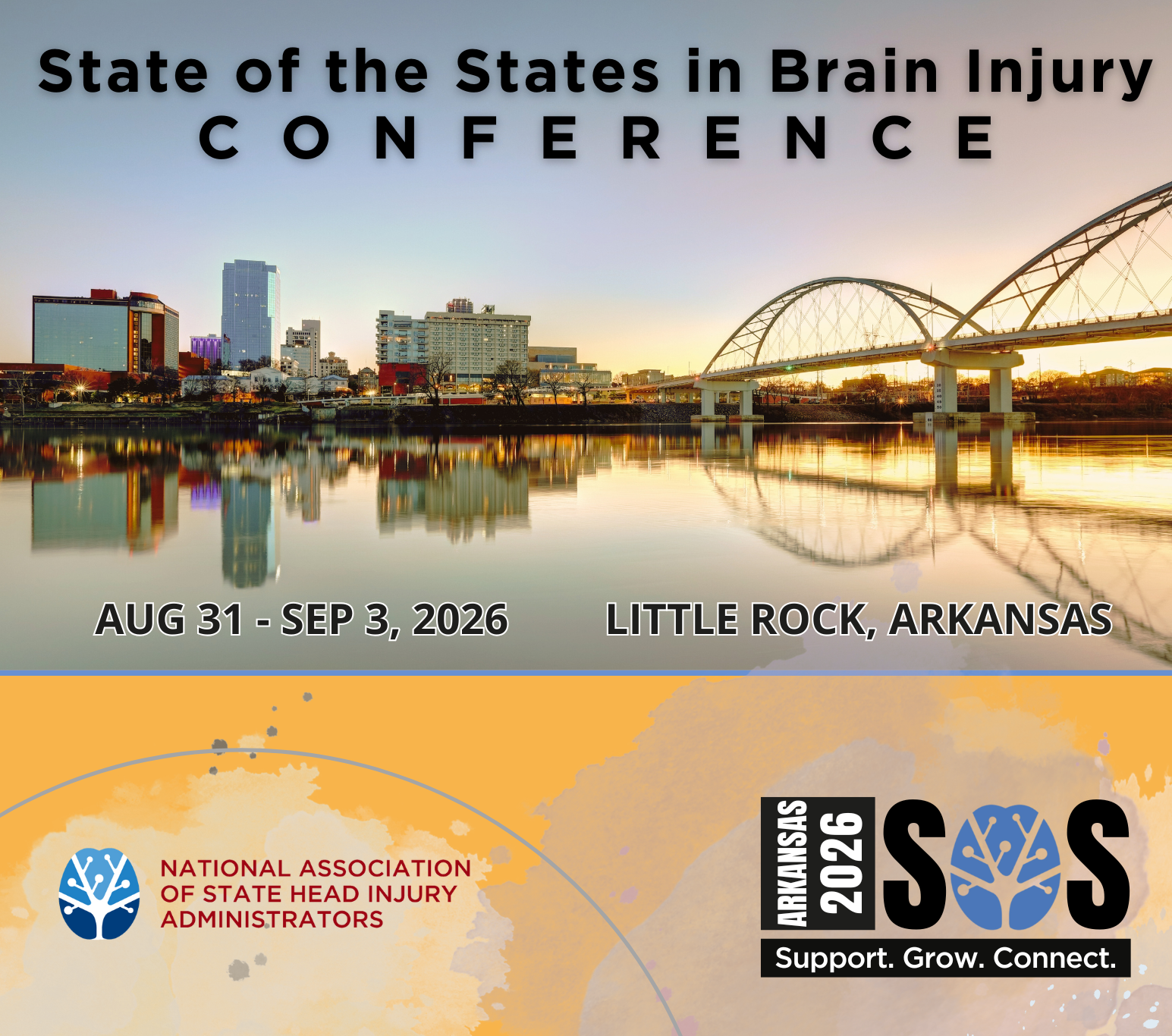
State of the States in Brain Injury Conference
August 31 - September 3, 2026 Little Rock, Arkansas |
|
|
2026's SOS will be the 37th consecutive year that NASHIA has hosted the conference.
SOS continues to bring state leaders together, alongside brain injury advocacy organizations, partners, researchers, and providers.
This year’s conference will highlight work in the Criminal Legal System (CLS), Clinical Practices (CP), Behavioral Health (BH), and Medicaid/Long-Term Services & Supports as content tracks, as well as bring content applicable to the whole brain injury community. |
|
|
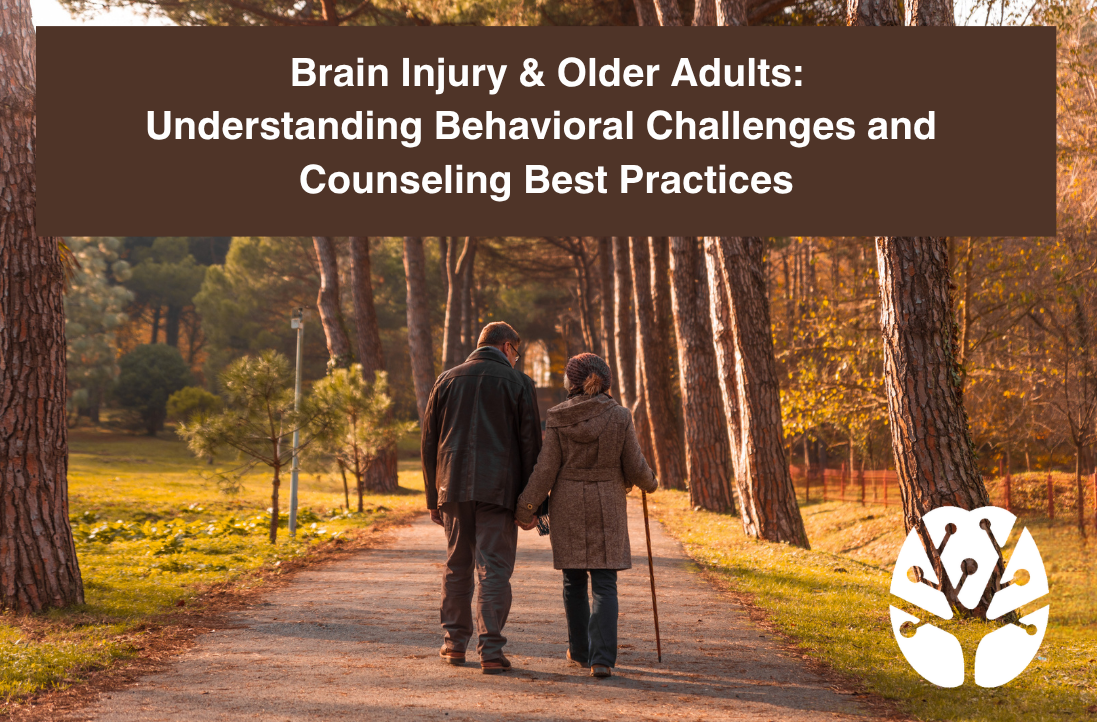
Brain Injury & Older Adults - Understanding Behavioral Challenges and Counseling Best Practices
September 23, 2026 1:00pm - 4:00pm ET |
|
|
This workshop focuses on the unique challenges faced by older adults who sustain brain injury, whether traumatic or non-traumatic, such as stroke, hypoxia, long COVID, or overdose.
Grounded in person-centered, strengths-based approaches, the workshop equips professionals with practical strategies to build rapport, adapt interventions, and provide responsive, culturally informed support tailored to the needs of older adults navigating life after brain injury. |
|
|
Peer Support Best Practices for Working with Individuals with Brain Injury |
|
|
This brain injury curriculum package is designed for professionals and individuals working in peer support, recovery, and behavioral health settings. This curriculum offers flexible, user-friendly resources to build knowledge and improve engagement for individuals with brain injury in these peer support settings. |
|
|
Brain Injury Resource Facilitation Implementation Guide |
|
|
In 2023, NASHIA - funded by the Moody Endowment - led a Delphi Consensus process with national brain injury leaders, resulting in Brain Injury Resource Facilitation: A Consensus on Best Practices (the “Consensus” report). In 2024, Moody Endowment provided additional funding to NASHIA to establish the Moody Center for Brain Injury Best Practices. The first two-year cohort used the Consensus findings to develop this implementation guide. |
|
|
Aging Guide: Considerations and Best Practices for Older Adults with Brain Injury |
|
|
This resource of the ACL's Traumatic Brain Injury (TBI) Technical Assistance and Resource Center’s (TARC) Aging Guide: Considerations and Best Practices for Older Adults with Brain Injury was designed to provide states with tools for initiating or improving partnerships within both state aging networks and behavioral health systems. The resource was developed in partnership with several subject matter experts. |
|
|
Brain Injury Alliance of Utah |
The Brain Injury Alliance of Utah is a nonprofit organization dedicated to helping individuals and families affected by brain injury thrive in their communities, relationships, and daily lives. Serving people across Utah, BIAU provides education, support, advocacy, resources, and connection for those navigating the often complex challenges that follow a traumatic brain injury, stroke, concussion, or other acquired brain injury.
At the heart of BIAU’s work is a commitment to making sure survivors, caregivers, and families do not have to navigate the recovery journey alone. The organization helps connect people with information, community resources, support opportunities, and others who understand the realities of life after brain injury. Through these efforts, BIAU helps individuals build confidence, strengthen independence, and find meaningful connection during recovery and beyond. |
|
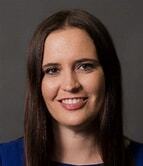
Dr. Christine Mullen, PsyD President |
|
|
Dr. Elizabeth Wilde, PHD Vice President |
|
|
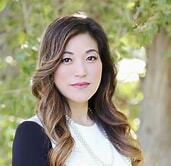
Dr. Alina Fong, PHD Past President |
|
|
|
Advocacy is also central to BIAU’s mission. The Alliance works to raise awareness about the impact of brain injury and to promote greater understanding of the needs of survivors and families. By engaging communities, service providers, partners, and decision makers, BIAU helps advance access to support, reduce stigma, and encourage policies and practices that support inclusion, independence, and quality of life.
Through its focus on support, education, advocacy, and community connection, the Brain Injury Alliance of Utah serves as a trusted resource and compassionate partner for Utahns impacted by brain injury. Its work reflects a clear vision: a world where everyone with brain injury has the opportunity to thrive. |
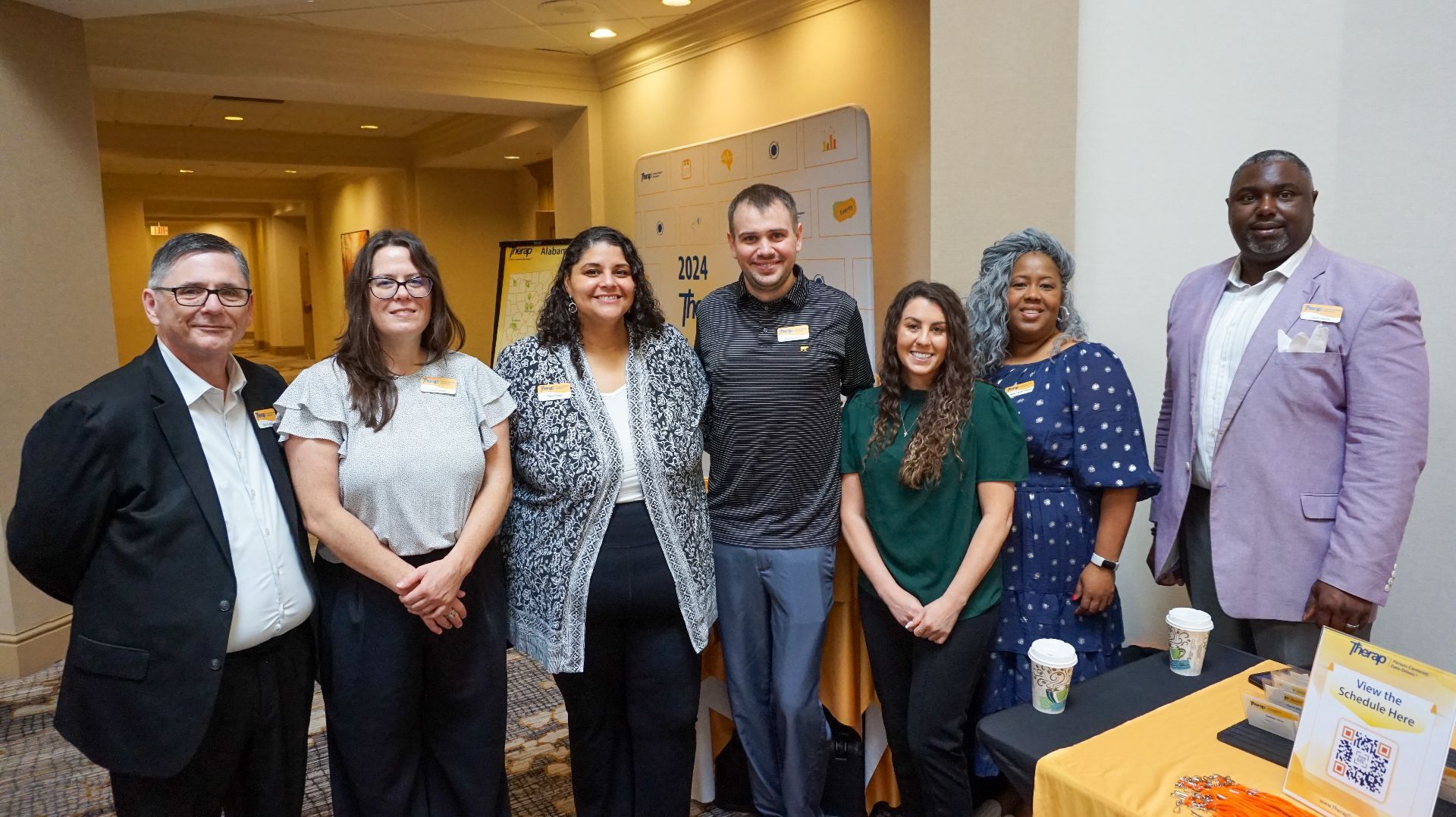
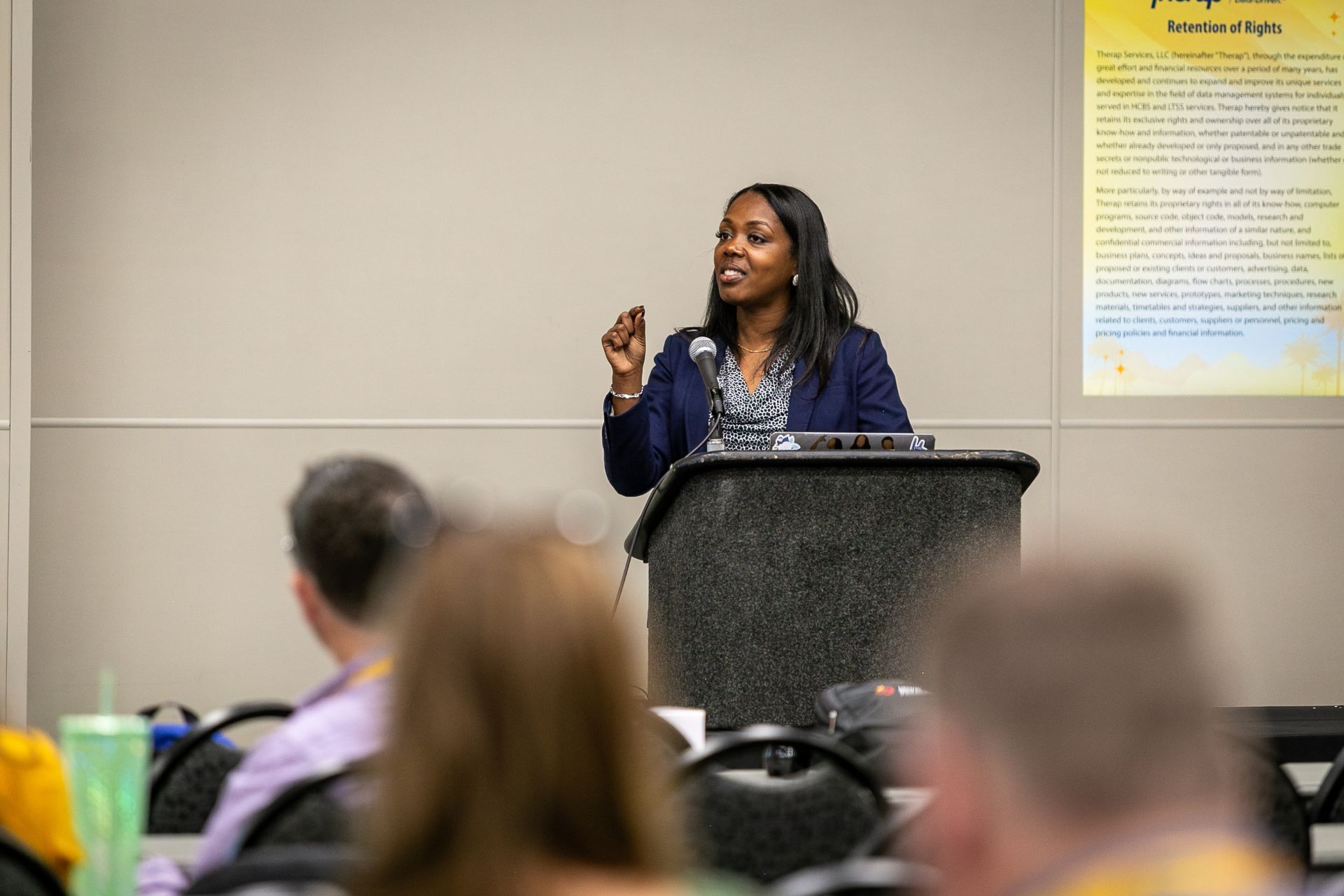
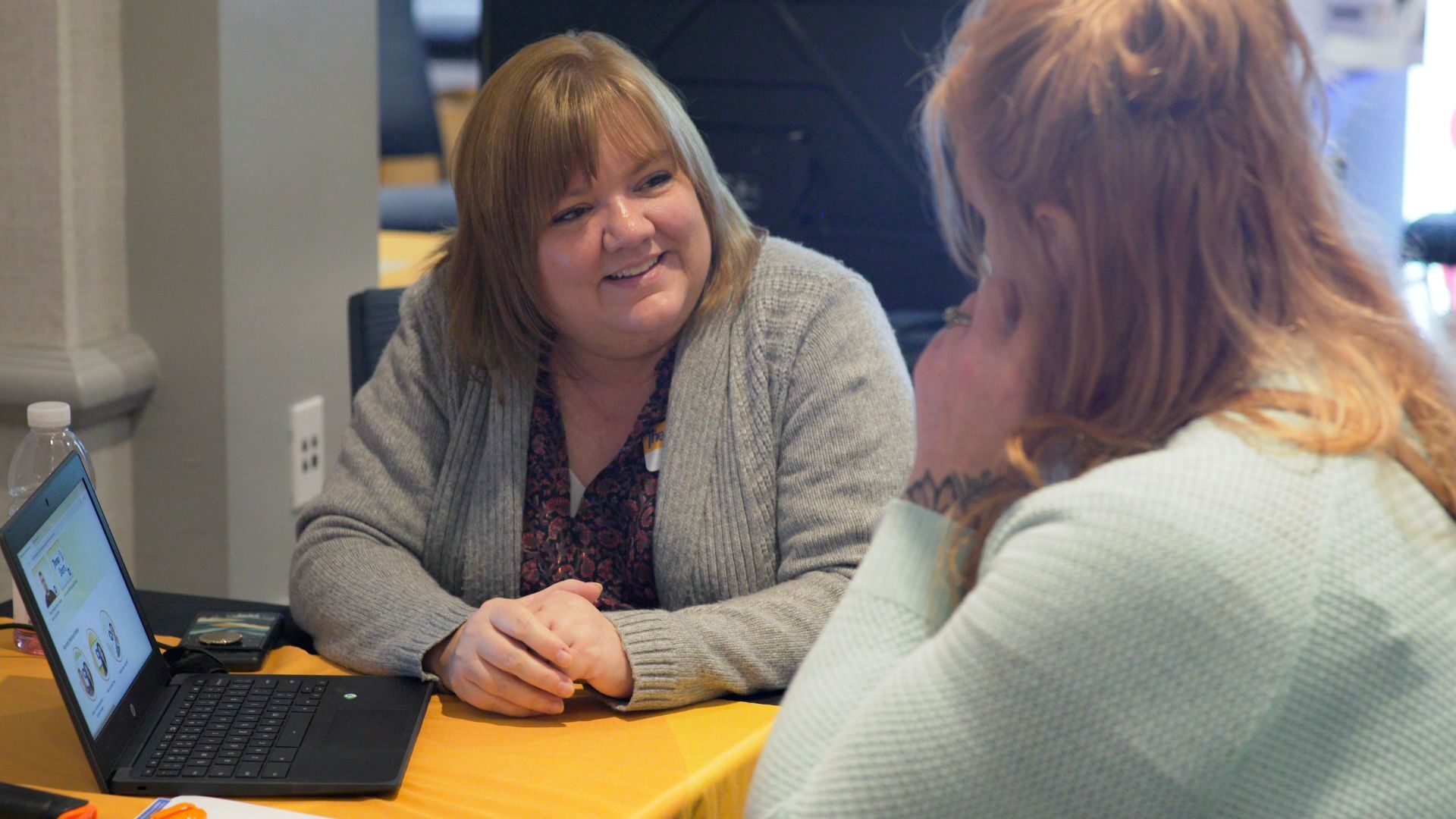
At Therap, we believe that providing effective services starts with having the right tools. We are proud to connect with the NASHIA community to share how our electronic documentation system can help your agency improve compliance, simplify your documentation workflows and focus on what truly matters: the people you support.
Today, Therap is trusted by over 15,000 Human Services providers across all 50 states. Our system brings key functionality together in a single platform so you can effectively document without multiple disconnected softwares. Therap’s 70+ modules include daily notes, goal and progress tracking, integrated billing, health records, reporting dashboards and much more. |
|
|
|
As technology and the Human Services landscape evolve, Therap evolves with them. We continue to add AI enhancements to the Therap application. Recent additions include AI Analysis, which evaluates documentation to summarize data, identify trends, and generate actionable insights. |
|
|
|
We are dedicated to pairing this innovation with dependable customer support and uncompromising data security. Our staff has extensive, hands-on experience in the human services field, allowing us to understand the unique challenges that service providers and advocates face every day. |
|
|
|
|
Therap’s industry-leading system operations team ensures reliable, secure data access so the right information is available to the right people at your agency when they need it. This unwavering commitment is why we have earned the trust of over 20 state government agencies.
If you are curious to learn more about how Therap Services can benefit your organization, please reach out to Beverly Buscemi. Contact: |
|
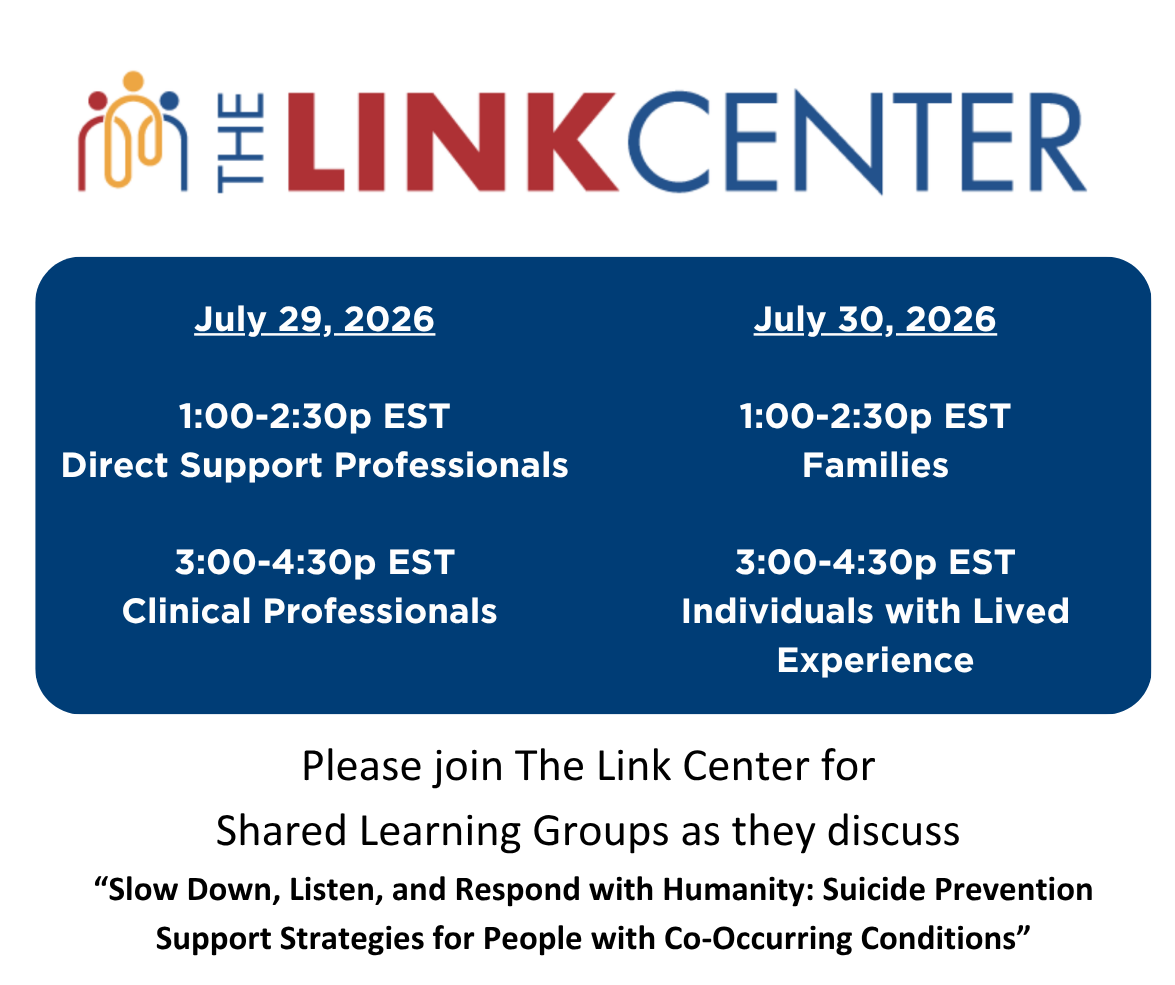
Link Center Shared Learning Groups |
When navigating complex, co-occurring conditions, people can often feel trapped and see no way out, placing them at a higher risk for suicide. While every experience is unique, the most powerful intervention often begins when we slow down, listen deeply, and respond with intention. Join this upcoming Shared Learning Group as we ground ourselves in lived experiences. The group will discuss critical warning signs and risk factors, while sharing actionable strategies and resources to provide ongoing support and restore a sense of hope.
These Shared Learning Groups are an opportunity to dive into important topics together, sharing resources, information, and ideas to better support people with intellectual and developmental disabilities (I/DD), brain injuries, and other disabilities and co-occurring mental health conditions. These meetings will be led by members of the Link Center Steering Committee and project partners. |
|
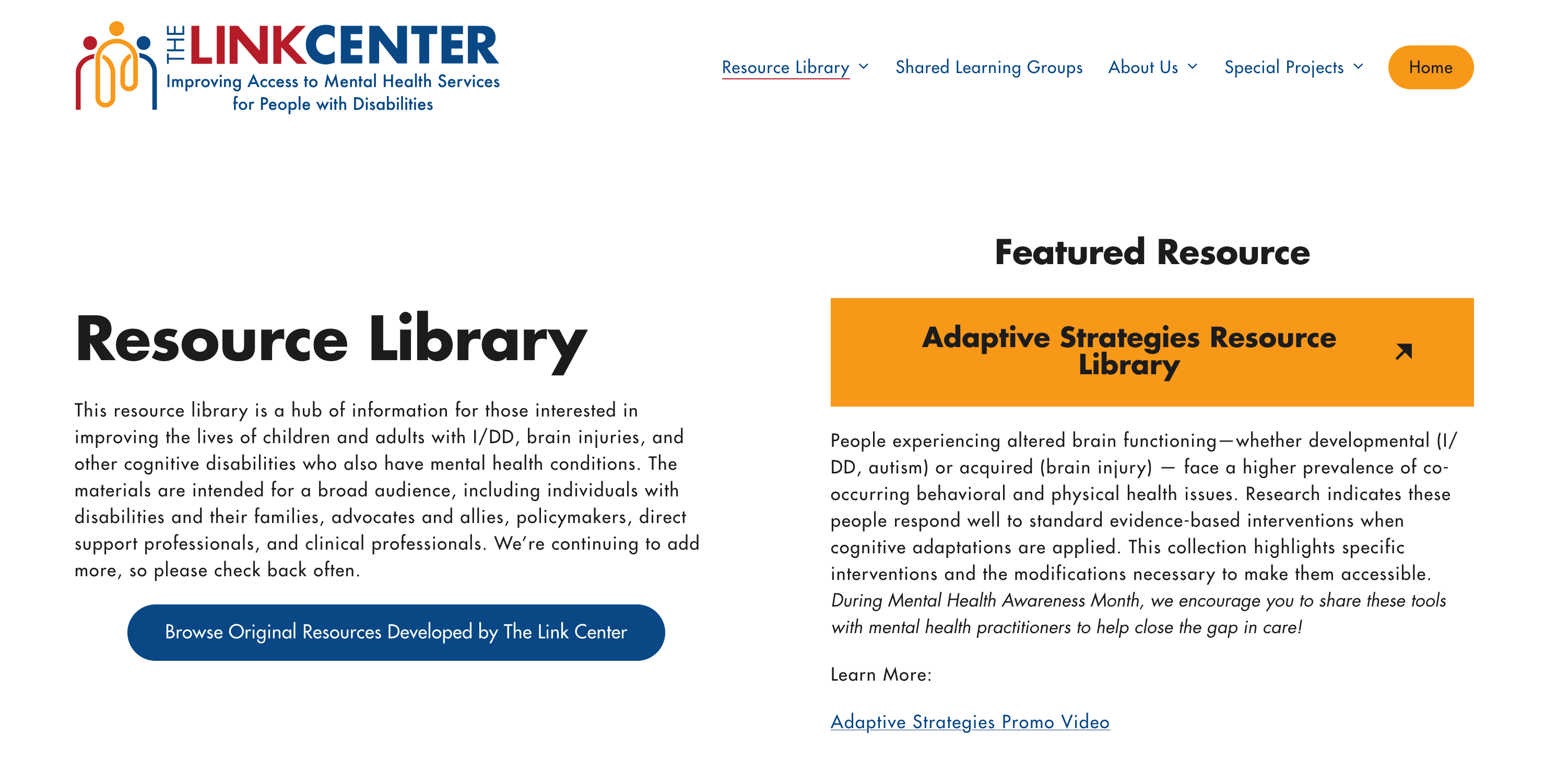
Link Center's New Resource Library |
If you haven't checked out the Link Center's new resource library, now is the time! They have compiled an incredibly useful database of helpful resources, both authored by the Link Center and shared by their partners. Currently featured in the library is the Adaptive Strategies Resource Library from NASDDDS.
People experiencing altered brain functioning—whether developmental (I/DD, autism) or acquired (brain injury) — face a higher prevalence of co-occurring behavioral and physical health issues. Research indicates these people respond well to standard evidence-based interventions when cognitive adaptations are applied. The Adaptive Strategies Resource Library collection highlights specific interventions and the modifications necessary to make them accessible. We encourage you to share these tools with mental health practitioners to help close the gap in care! |
|
You received this email because you subscribed to our list. You can unsubscribe at any time. PO Box 59165 Potomac, MD 20859 USA |
|
|
|