|
|
Supporting Org. Spotlight |
|
|
Welcome to NASHIA Connections!
The monthly newsletter for everything NASHIA.
You are receiving this newsletter because you are a valued partner in the brain injury community and with NASHIA.
This issue includes the release of a joint statement from leading brain injury organizations, two new NASHIA trainings, a few updates from our partners, many new resources, and an introduction to NASHIA Supporting Organization Member Minds Matter. |
|
|
|
|
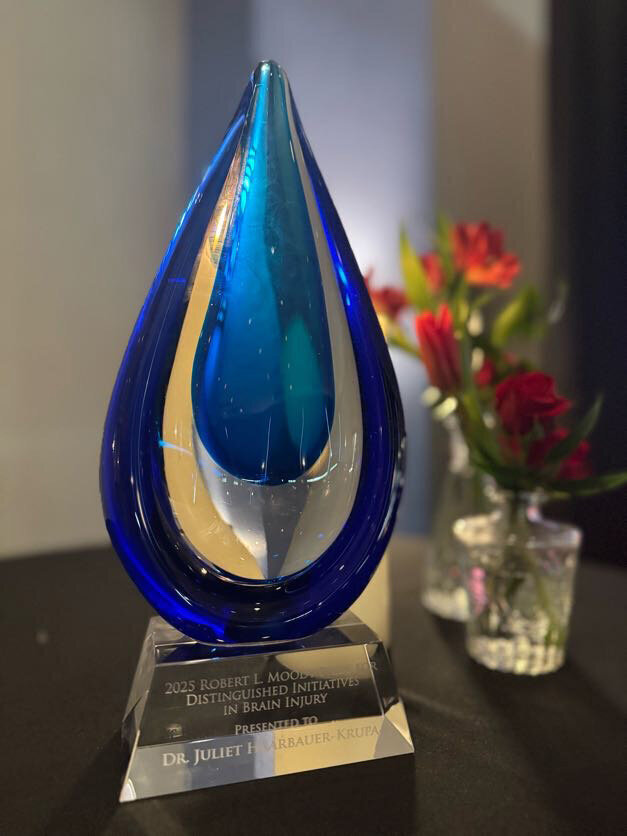
NASHIA is honored that we were able to recognize Dr. Julie Haarbauer-Krupa (pictured, left), whose leadership, dedication, and vision continue to inspire all of us working to improve the lives of people with brain injury. Celebrating her achievements with such a warm and committed community was a moment we will not soon forget.
A very special thank you goes to our speakers: Jeff Eppinette from Moody Neuro, Elle Moody from the Moody Foundation, stroke survivor Abby Kithcart, our keynote speaker Victor Medina, and others who shared heartfelt reflections on Julie’s remarkable contributions. Your voices made the evening even more meaningful.
We are deeply grateful to our generous sponsors whose partnership makes this event possible, and to each of you who contributed through your donations and attendance. Your generosity strengthens NASHIA’s mission and ensures that together we can build stronger systems of care for individuals and families living with brain injury. |
|
|
|
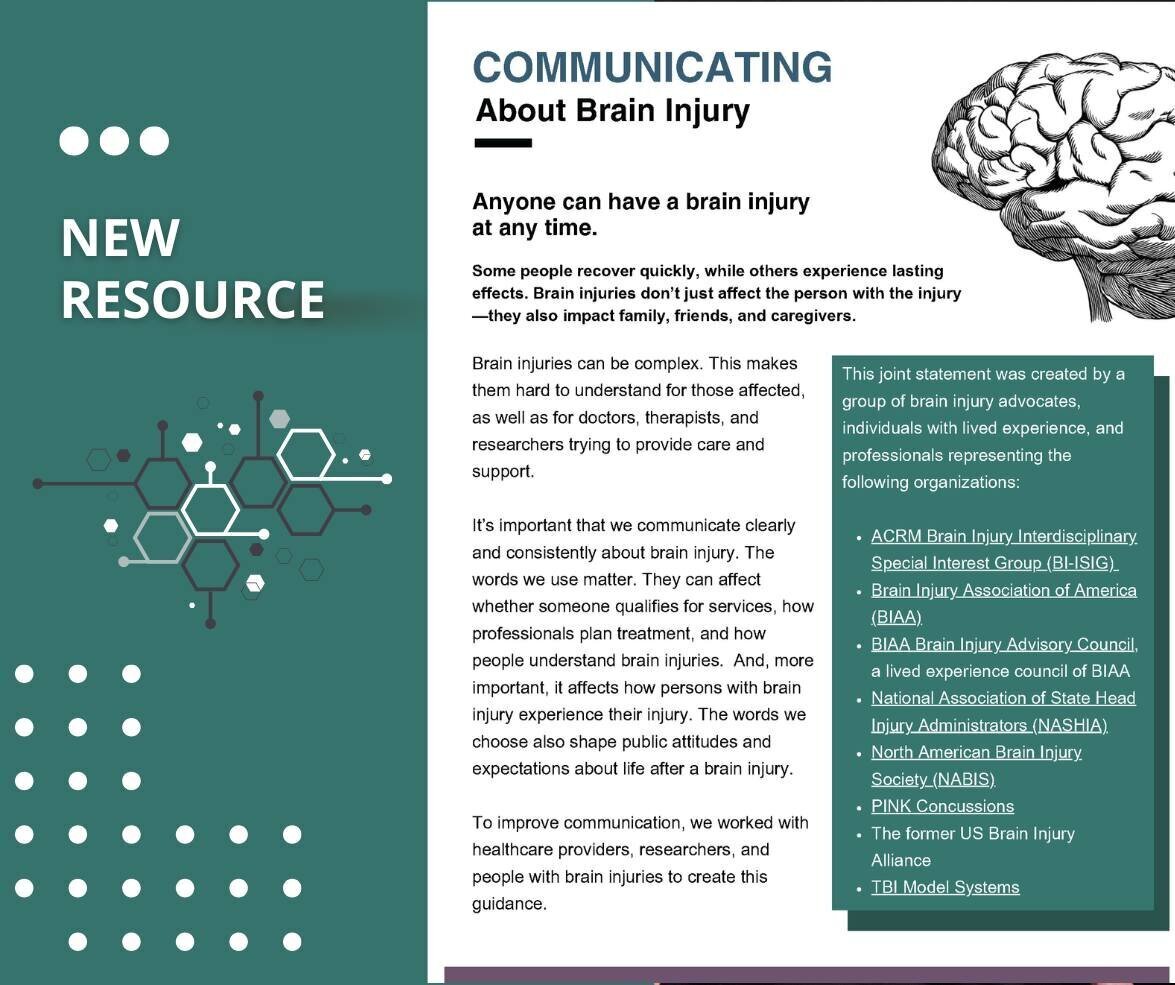
NASHIA is proud to have been part of the collaboration that brought about this new, important resource for communicating about brain injury. This joint message from national leaders in the brain injury community offers guidance on how to be clear when talking about brain injury.
"It’s important that we communicate clearly and consistently about brain injury. The words we use matter. They can affect whether someone qualifies for services, how professionals plan treatment, and how people understand brain injuries. And, more important, it affects how persons with brain injury experience their injury. The words we choose also shape public attitudes and expectations about life after a brain injury."
Thank you to everyone involved for working to increase care and support for brain injury survivors!
|
|
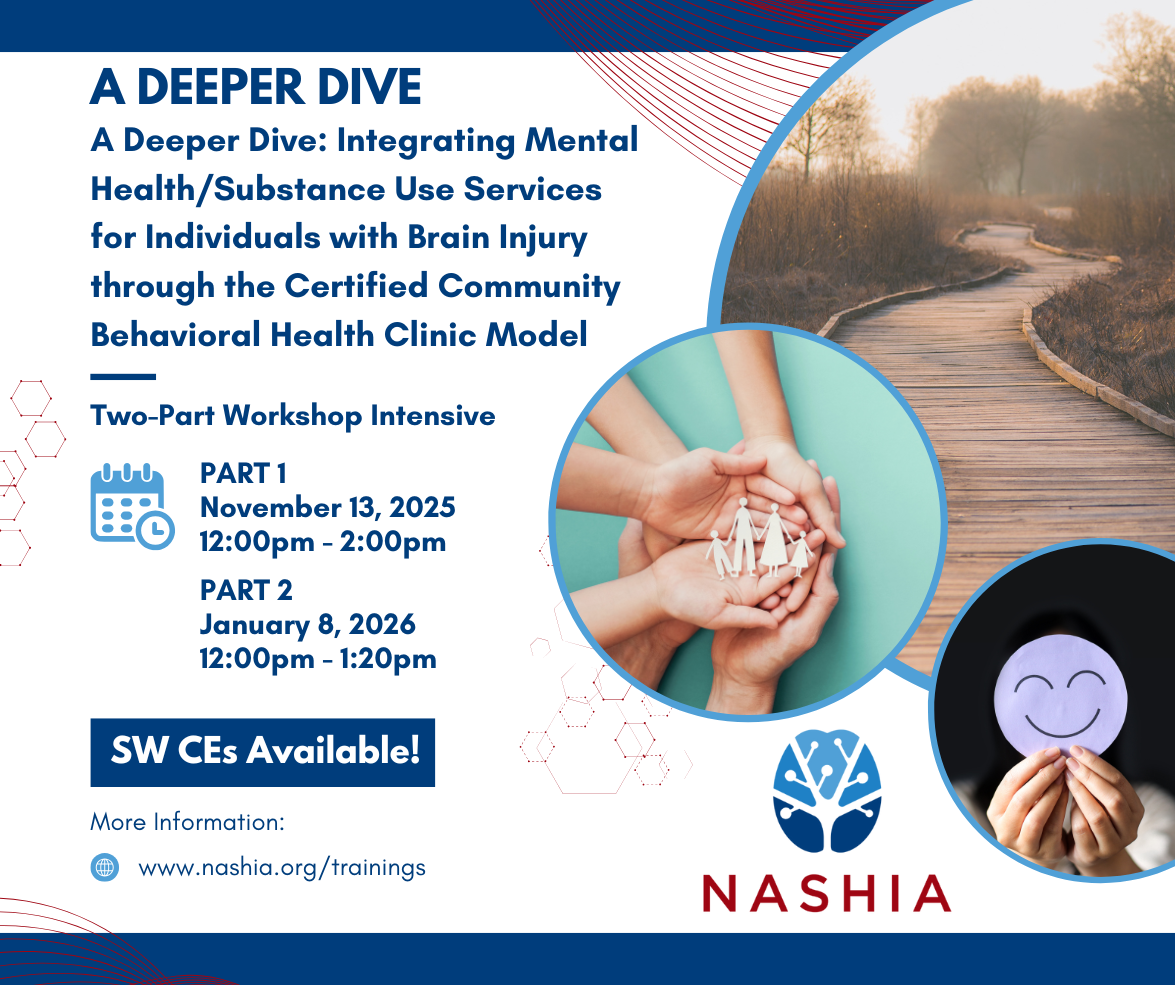
Upcoming Event - Don’t Miss This Deep Dive!
Service systems are often siloed, even though individuals with brain injury frequently experience co-occurring mental health or substance use needs. This session will explore how the Certified Community Behavioral Health Clinic (CCBHC) model can help bridge those gaps by integrating care, improving access, and better supporting the whole person.
Whether you’re a state brain injury program, behavioral health provider, or system partner, this session is tailored to help you think strategically about cross-system integration.
✅ Mark your calendar ✅ Bring your questions ✅ Register today! |
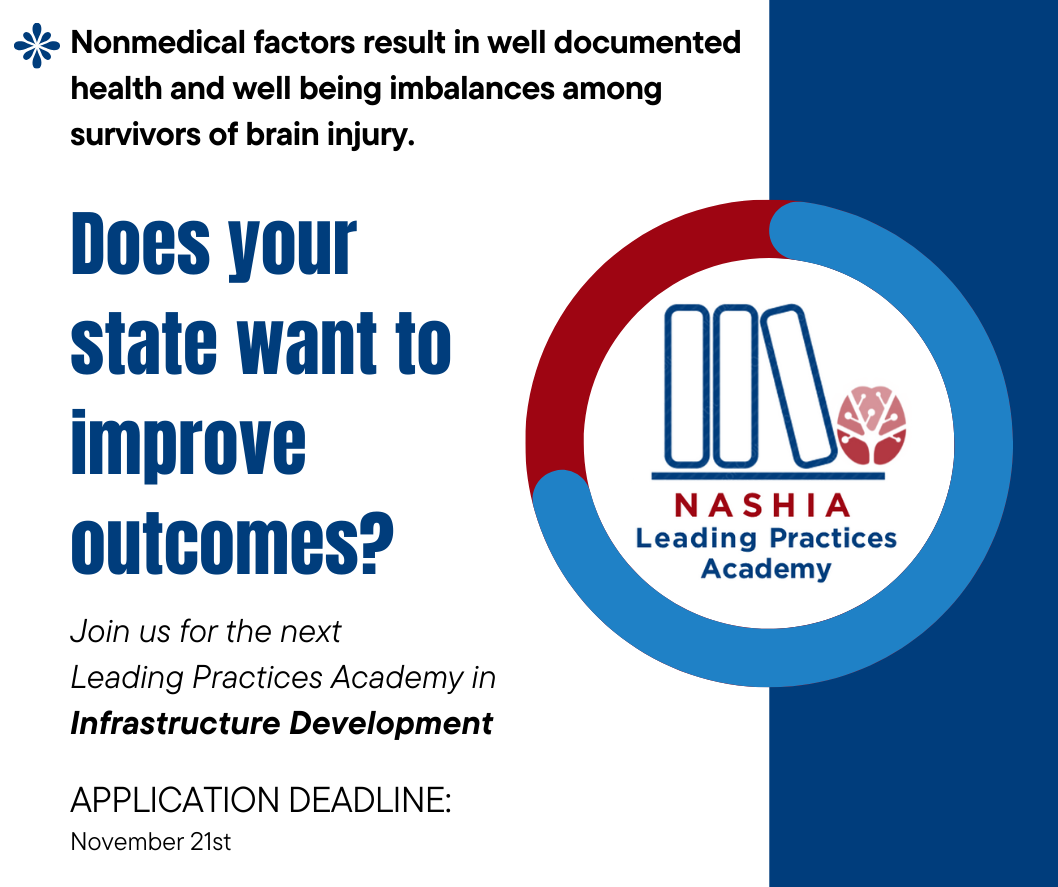
Join the 2026 Leading Practices Academy |
|
Fortify your state's brain injury infrastructure by joining NASHIA’s Leading Practices Academy (LPA).
NASHIA will be hosting its fourth LPA in 2026. LPA participants receive strategic and customized technical assistance to explore, develop, or implement protocol and practices aimed at improving outcomes for systems engaged individuals with brain injury. NASHIA supports goal development, creation of a tailored work plan and logistical efforts related to scheduling/outreach. The LPA will run the course of the 2026 calendar year and applications will be due on November 21st 2025.
The LPA will continue to include an all states orientation, three all state academies (that feature presentations by subject matter experts), individual state team/lead team meetings, evaluation and sustainability support and an end of year summit.
The LPA foundation will continue to revolve around Infrastructure Development across a variety of systems that overlap with non-medical drivers of health (e.g. housing insecurity, child welfare, criminal legal, behavioral health, intimate partner violence etc).
Let the LPA framework support you in creating goals aligned with your priorities that will lead to sustainable outcomes!
|
|
|
|
Call for SOS 2027 Site Proposals |
Is your state ready to shine on a national stage? NASHIA is now accepting proposals to host the 2027 State of the States (SOS) in Brain Injury Conference - an opportunity to bring national attention, learning, and collaboration right to your region!
💡 Why host?
🧠 Showcase your state’s leadership in brain injury service delivery 🧠 Provide local professionals access to expert speakers, training, and networking 🧠 Drive economic and institutional benefits for your community 🧠 Elevate your state’s role in shaping the national brain injury agenda
Submit your proposal by February 1, 2026. Learn more and access the full scope at the link below. |
We are excited to welcome the Brain Injury Association of Kansas & Greater Kansas City as a new OBISSS subscriber!
This work is supported under the Department of Justice, Bureau of Justice Assistance, Second Chance Act Grant, expanding OBISSS’ reach and impact within justice-related settings. |
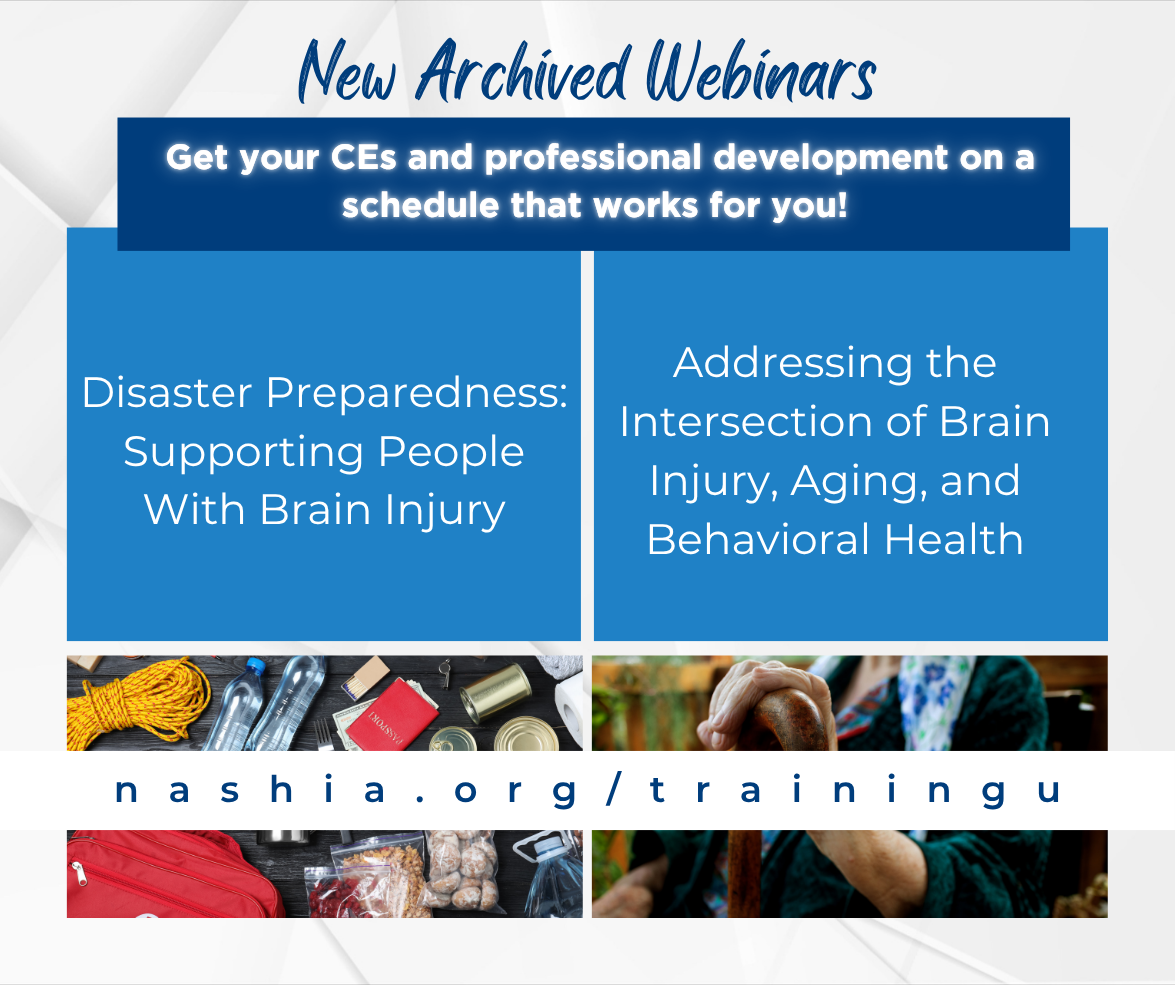
🎥 Missed a recent NASHIA webinar?
Good news! Two new archived recordings are now available! 📘 Addressing the Intersection of Brain Injury, Aging, and Behavioral Health
🌪️ Disaster Preparedness: Supporting People With Brain Injury Both sessions feature expert insights, practical tools, and real-world strategies to help you better support individuals living with brain injury across systems of care. 🧠 Watch the recordings now and catch up on what you missed! |
|
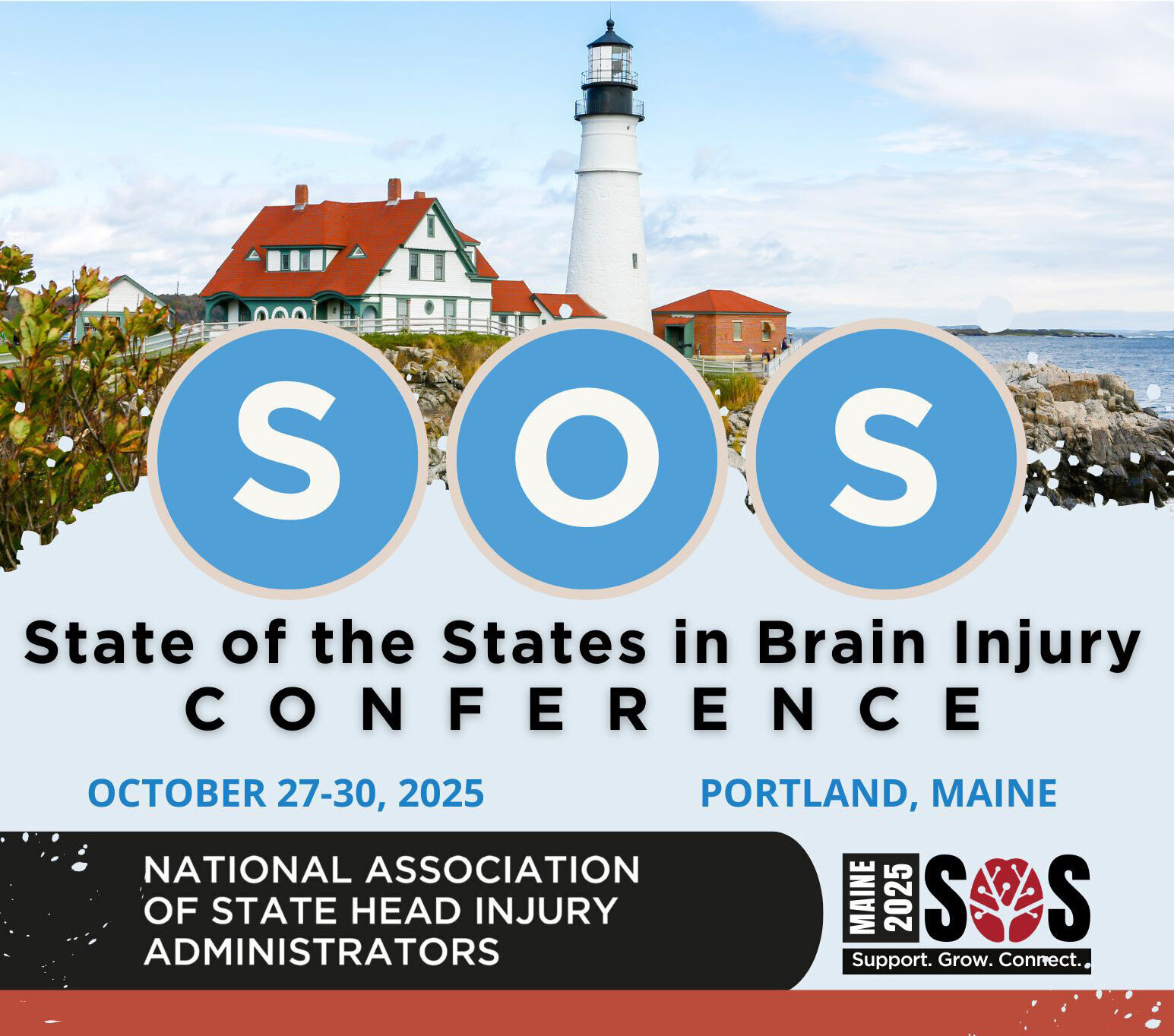
2025 State of the States in Brain Injury Conference
October 27 - 30, 2025 Portland, Maine |
|
|
2025's SOS will be the 36th consecutive year that NASHIA has hosted the conference.
SOS continues to bring state leaders together, alongside brain injury advocacy organizations, partners, researchers, and providers.
This year’s conference will highlight work in the Criminal Legal System (CLS) and Behavioral Health (BH) as content tracks, as well as bring content applicable to the whole brain injury community.
The conference will also include two half-day intensives, and a two-hour session of implementation planning. |
|
|
A Deeper Dive: Integrating Mental Health/Substance Use Services for Individuals with Brain Injury through the Certified Community Behavioral Health Clinic Model
Two-Part Workshop Part 1: Nov 13, 12:00-2:00pm ET Part 2: Jan 8, 12:00-1:30p ET |
|
|
Certified Community Behavioral Health Clinics (CCBHCs) are transforming the way behavioral health services are funded and delivered—but brain injury (BI) is often overlooked within these systems of care. Led by NASHIA and Jane King, PsyD, LP, a subject matter expert with extensive experience at the intersection of brain injury and behavioral health, this hands-on, skills-based intensive will equip brain injury and behavioral health administrators and local CCBHCs to partner for improved recognition brain injury and associated supports for improved outcomes. The overarching aim is to cultivate shared commitments within states to expand access to BI services, improve BI screening practices, and address the unique needs of individuals with brain injury within the CCBHC system. |
|
|
When Trauma Meets Injury: Navigating the Overlap of Post-Traumatic Stress Disorder (PTSD) and Brain Injury
January 21, 2026 12:00 - 1:30pm ET |
|
|
Post-Traumatic Stress Disorder (PTSD) and brain injury (BI) often share overlapping symptoms, yet they are distinct conditions that require tailored approaches to screening, diagnosis, and treatment. This webinar will present an overview of PTSD, explore how PTSD and brain injury intersect in adults, and highlight critical differences between the two. Participants will gain insight regarding identification of each condition, and learn about evidence-based approaches for support. Designed for brain injury program staff and other community providers, this session will help participants strengthen understanding, improve treatment strategies, and promote integrated, person-centered care. |
|
|
Brain Injury and Child Welfare Best Practice Guide (Newly Updated) |
|
|
Prepared by the Administration for Community Living TBI State Partnership Grant Ad Hoc Workgroup on Child Welfare. Online toolkit includes the complete Best Practices Guide, supporting materials, screening tools, fact sheets, and links to trainings and many additional resources to support implementation and learning. |
|
|
Comparison of US TBI-related emergency department visits from two data sources: NEISS-AIPand HCUP-NEDS |
|
|
Traumatic brain injury (TBI) surveillance in the USA has historically used hospital administrative datasets and vital records to determine the number and rate of people who are hospitalised or die from a TBI. However, gaps exist in obtaining timely and accurate estimates of emergency department (ED)-treated TBIs. The purpose of this paper is to compare the number of TBI-related ED visits derived from two national datasets. |
|
|
Navigating Reasonable Accommodations: Preparing for Return-to-Work After Brain Injury |
|
|
This resource outlines how individuals returning to work after brain injury can better prepare, and find support through resources and reasonable accommodations from their employer. Through careful self-assessment of current challenges and dialogue with their employer to navigate the accommodations process when needed, people with brain injury can retain employment.
Authored by NASHIA’s own Maria Crowley, Director of Professional Development, with support from the Administration for Community Living Disability Employment TA Center. |
|
|
|
|
The Self-Advocacy Scale (SAS) provides an assessment of the individual’s self-efficacy related to his or her self-advocacy abilities. Self-efficacy is the individual’s belief in his or her own capacity to complete tasks and attain related goals. Self-efficacy is an important aspect of motivation and taking on new challenges. |
|
|
Minds Matter: Person-Centered Brain Injury Rehabilitation in the Community |
For more than 30 years, Minds Matter, LLC has been dedicated to helping individuals with brain injuries live life to the fullest. Our work is built on the philosophy “nothing for me, without me,” ensuring that each person remains at the center of every decision and interaction related to their rehabilitation. |
|
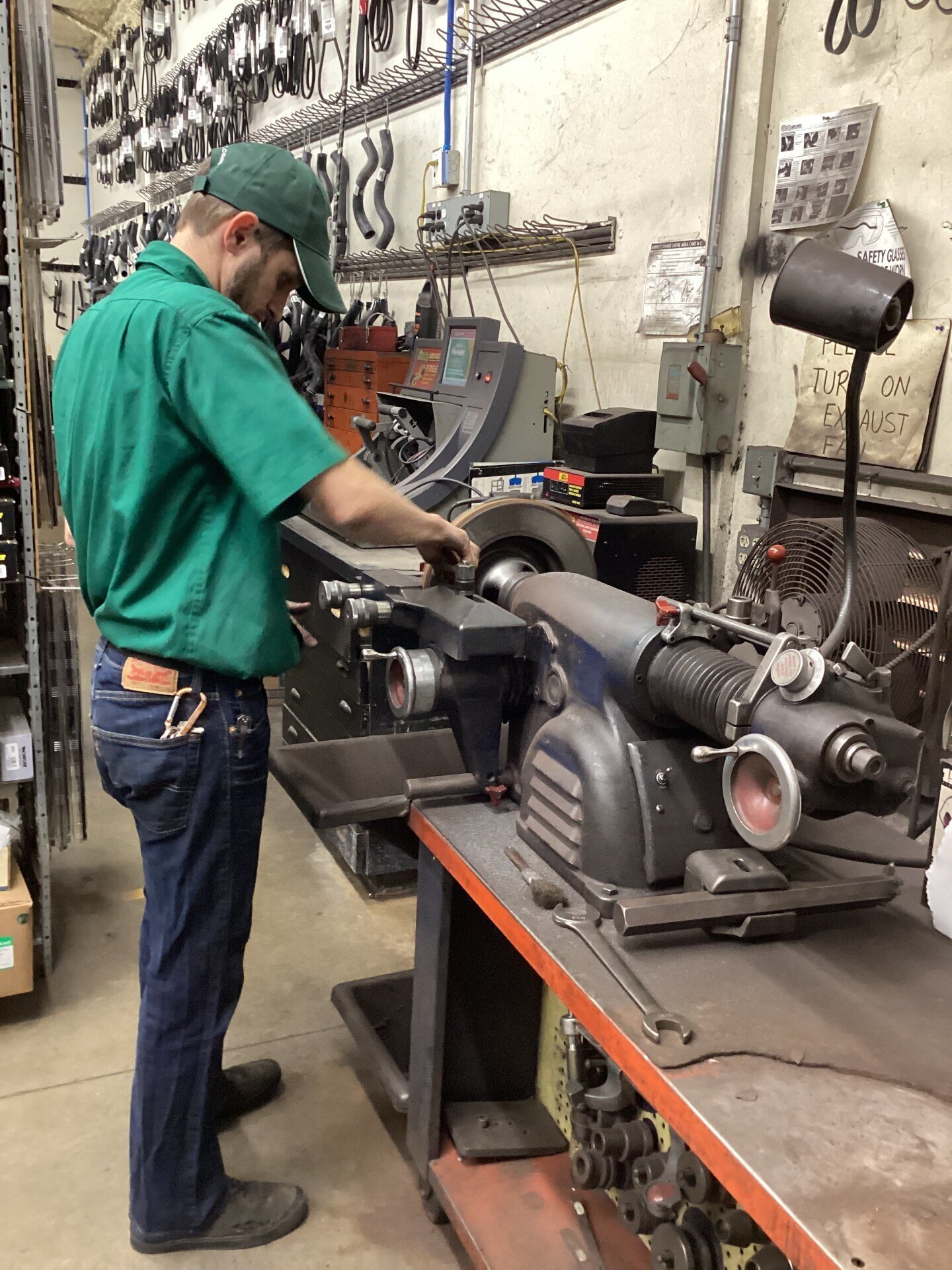
Ryan returned to work after his brain injury by setting his own goals and therapy objectives. |
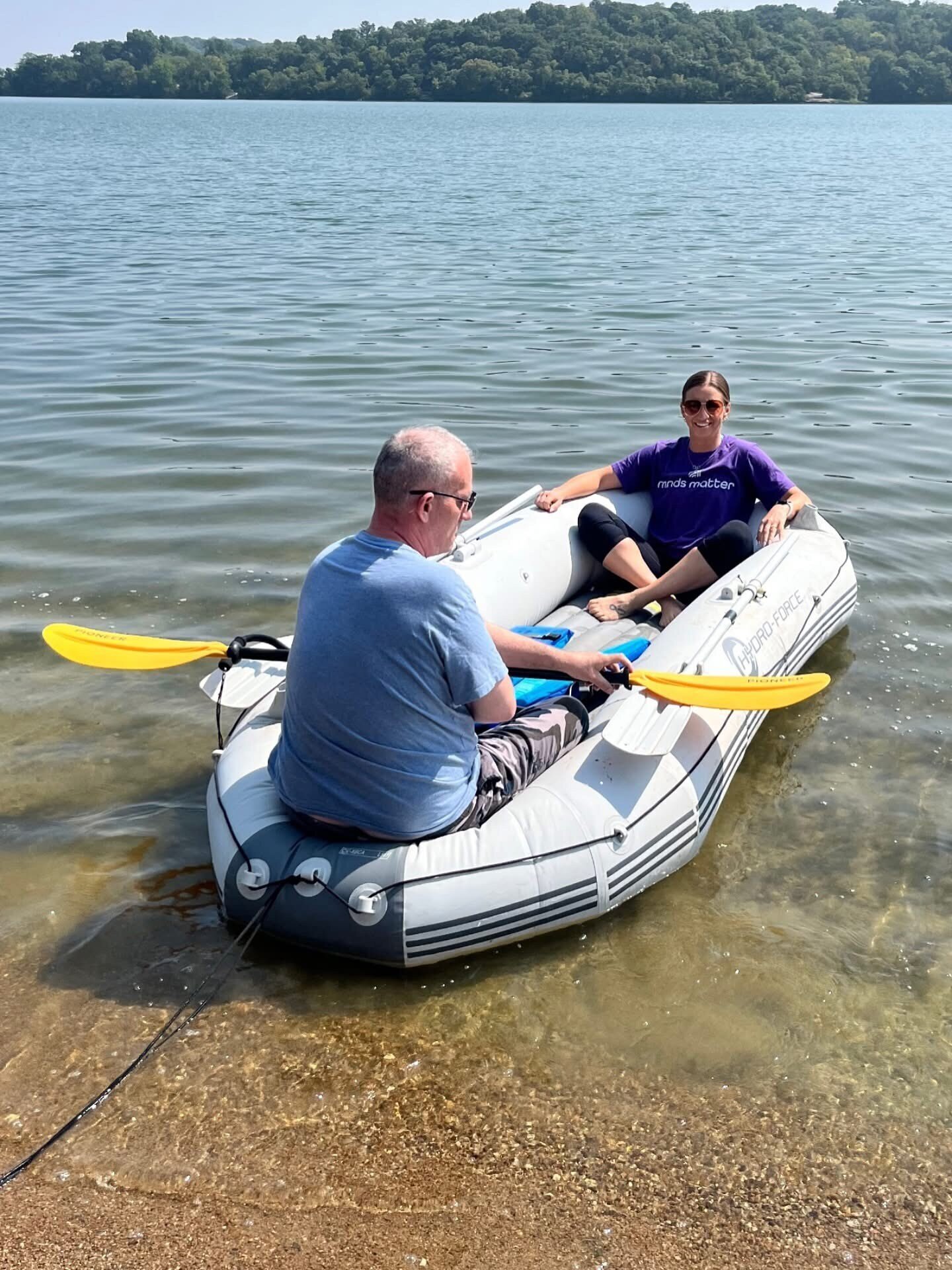
Jay builds camping skills through hands-on activities tailored to his goals—no classroom needed, just a river, a raft, and support from Minds Matter. |
|
|
Unlike traditional facility-based models, Minds Matter provides community-based brain injury rehabilitation services across Kansas. Our therapists—specialists in physical therapy, occupational therapy, speech-language pathology, cognitive therapy, and behavioral therapy—meet individuals where they are. This may be in their homes, workplaces, schools, or local communities. We also offer teletherapy, making services more accessible no matter where a person lives.
Our approach goes beyond therapy. We provide wraparound support and care coordination, assisting with eligibility and funding needs, while supporting safe transitions from hospitals or residential facilities back into the community. By addressing all aspects of life—employment, education, housing, accessibility, medical needs, and social networks—we help individuals and their families not just recover, but thrive. The Minds Matter Model is rooted in advocacy, inclusivity, and creativity. Through holistic, functional therapy and a collaborative team approach, we empower people to relearn skills, reinvent environments, and reconnect with their communities. This has allowed thousands of Kansans to achieve meaningful outcomes and greater independence. This fall, Minds Matter is proud to share our model at the NASHIA Annual Conference, highlighting organizational outcomes and cost comparisons that show how our approach helps states improve services while meeting Olmstead obligations. |
|
|
|
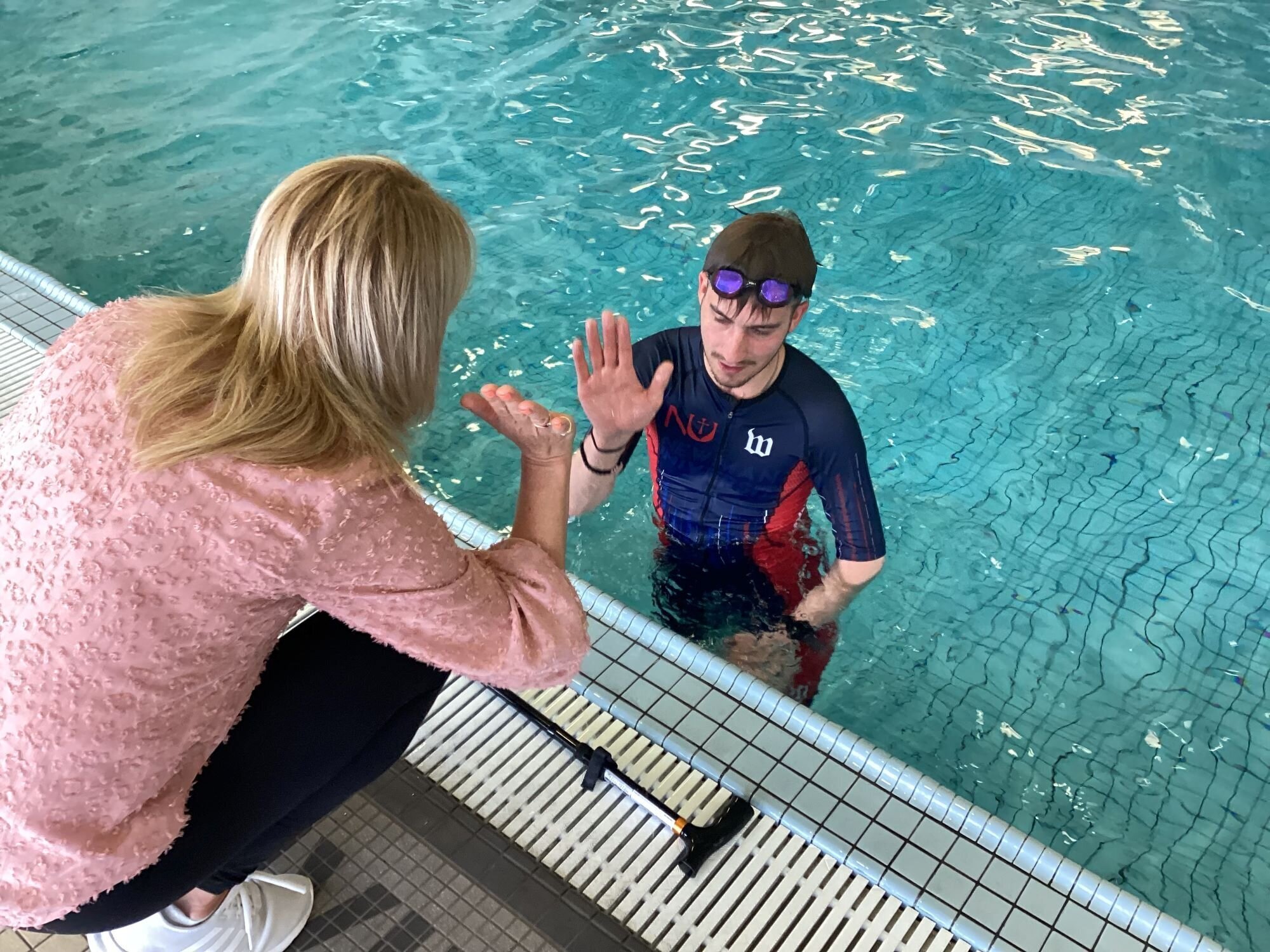
Jonah worked with his Minds Matter team to pursue his goal of returning to triathlons. |
|
Want to learn more about becoming a NASHIA Supporting Organization? |
|
OBISSS Subscriber Makes the News! |
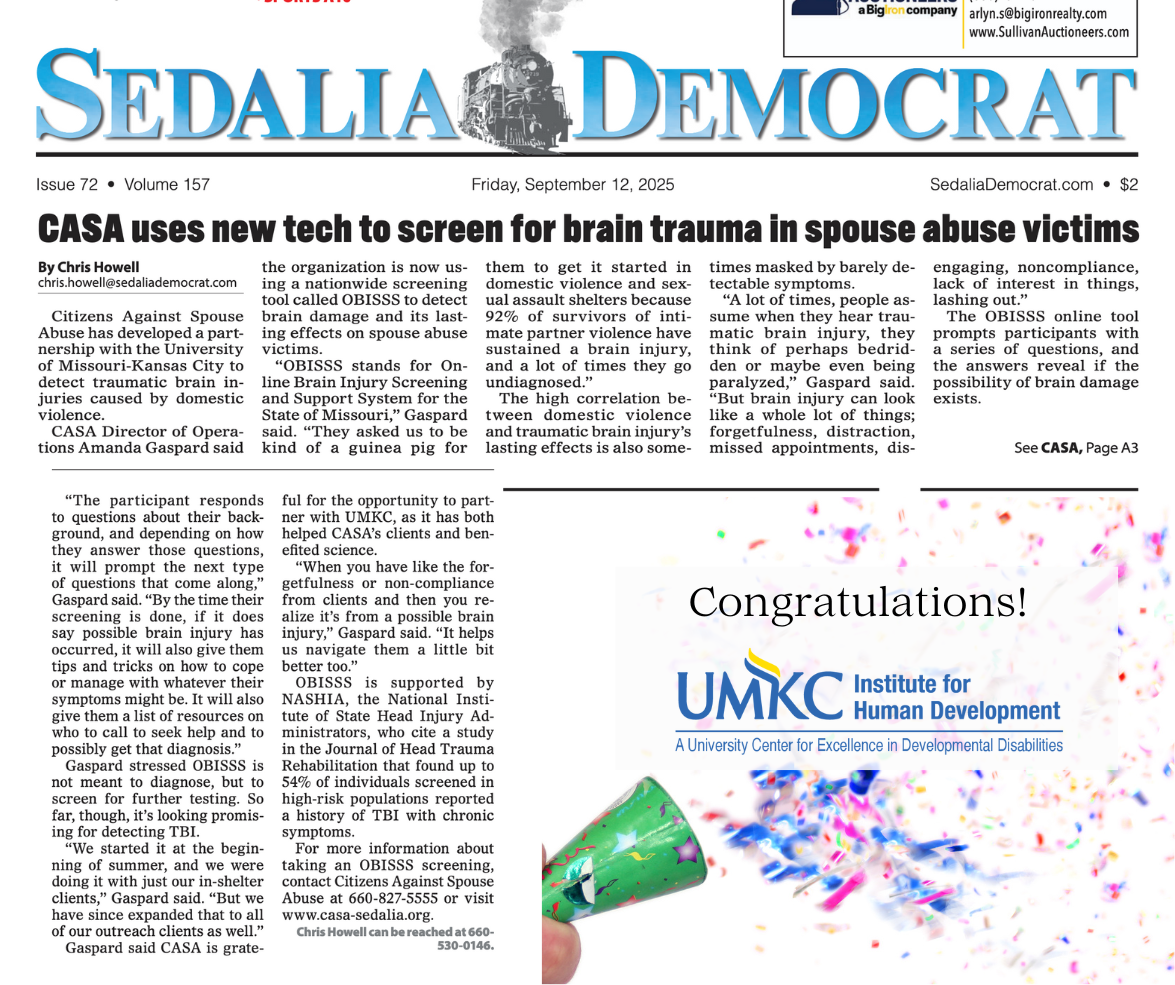
🌟 Congratulations to our partners and OBISSS subscribers, University of Missouri-Kansas City, and their screening partners at Citizens Against Spouse Abuse (CASA), on being featured on the front page of their local newspaper! The article outlines their successes at implementing brain injury screenings using NASHIA's OBISSS in domestic violence shelters.
Way to go UMKC! This feature is a testament to the hard work and dedication of your team, which extends well beyond the OBISSS and into everything you do for the brain injury community!
A special shout-out to Beth Dauber and Kamryn Rice, who lead the OBISSS implementation efforts at UMKC! We are so grateful to know you and work with you in our shared mission. |
|
CMS Free Technical Assistance |
States planning on expanding Medicaid home and community-based services (HCBS), and/or changing approaches and strategies to be more responsive to CMS guidance, stakeholder input, and state priorities may benefit from technical assistance (TA).
CMS has contracted with New Editions Consulting, Inc., to offer free TA to states on the various HCBS authorities available, 1915(c), (i), (j), and (k), and how to prepare your submissions to CMS. NASHIA is a TA partner to support brain injury-related requests.
TA is available for HCBS topics including, but not limited to:
💡 expanding mental health and brain injury services under waivers,
💡 self-directed services,
💡 supported employment,
💡 individual budgeting,
💡 needs assessment,
💡 positive behavioral supports,
💡 community integration,
💡 mortality and morbidity data collection and analysis,
💡 person-centered service planning, and
💡 other areas as needed by states. |
Upcoming Awareness/Inclusion Opportunities |
Looking for opportunities to join the awareness conversation or be inclusive in celebrations? Here are some ideas for you to add to your newsletters, websites, and social media posts.
National Family Caregivers Month - All of November
Child Safety and Protection Month - All of November
National Epilepsy Awareness Month - All of November
Veterans' Day - November 11
World Kindness Day - November 13
National Injury Prevention Day - November 18 |
|
You received this email because you subscribed to our list. You can unsubscribe at any time. PO Box 59165 Potomac, MD 20859 USA |
|
|
|