|
|
Supporting Org. Spotlight |
|
|
Welcome to NASHIA Connections!
The monthly newsletter for everything NASHIA.
You are receiving this newsletter because you are a valued partner in the brain injury community and with NASHIA.
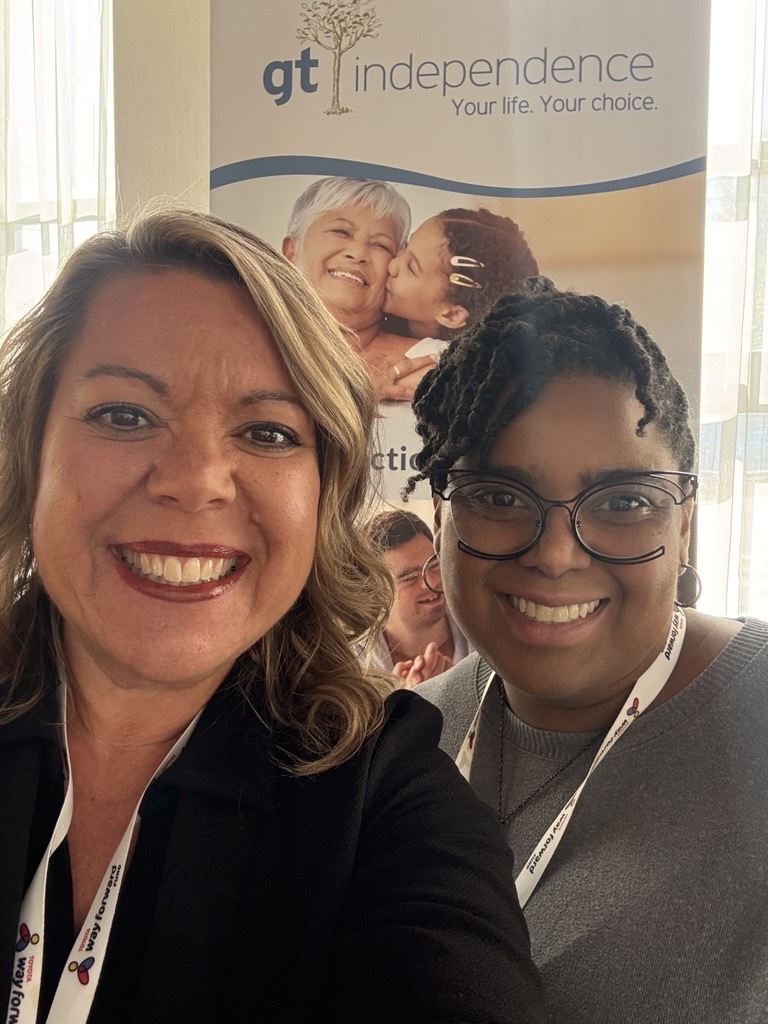
This issue includes highlights from our team's presentations across the country in July, several new resources, updates from our partners at the Link Center, and an introduction to Supporting Organization Members Phoenix Services and GT Independence. |
|
|
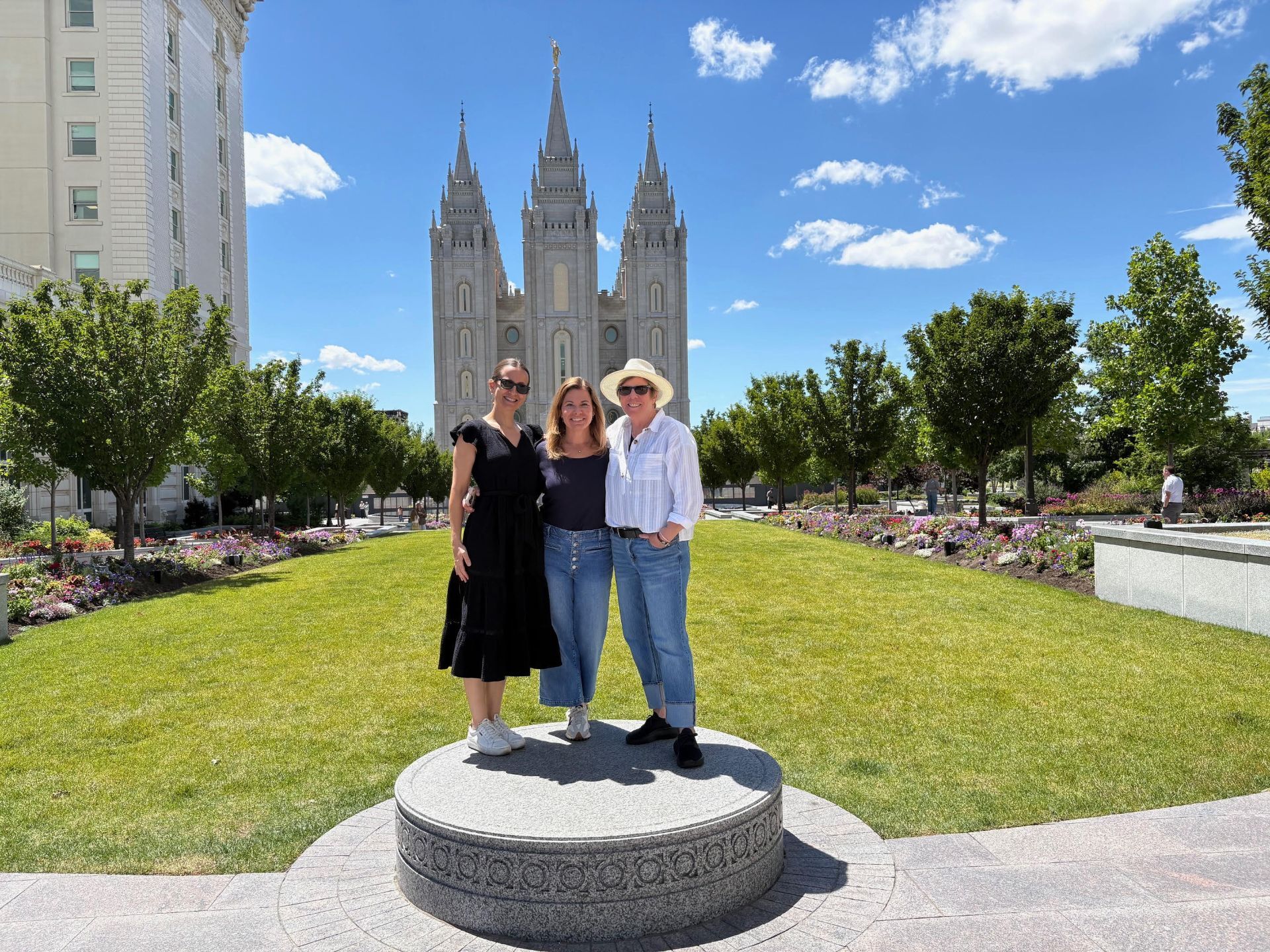
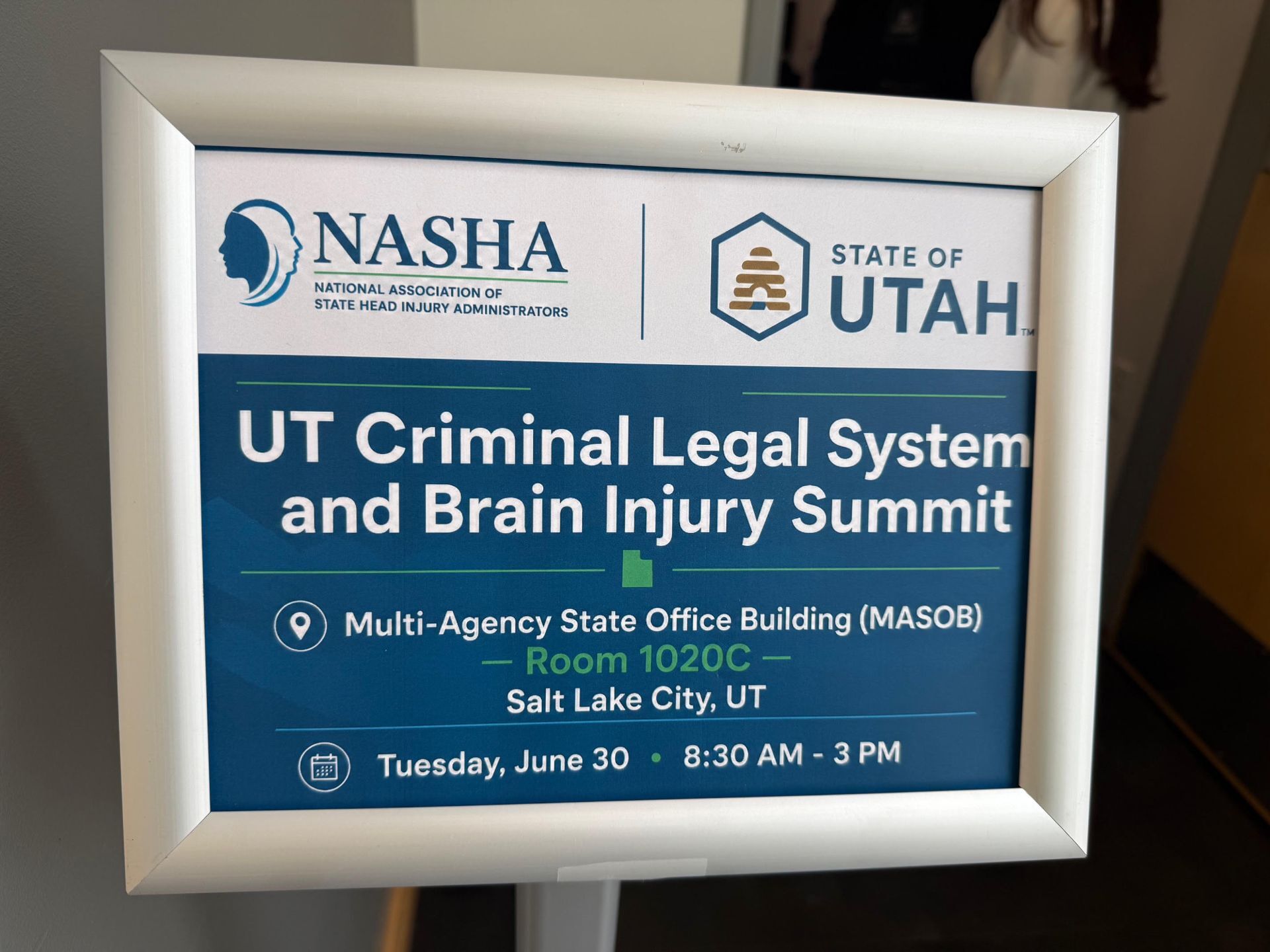
Day one was dedicated to sustaining leading work related to supporting justice involved individuals with brain injury.
On day two, we lead an implementation training to kick off a new brain injury peer support program.
Utah is leading the way in service delivery for people with brain injury and we are proud to support their accomplishments! |
|
NASHIA is thrilled to welcome our newest subscriber to the Online Brain Injury Screening and Support System (OBISSS) Program!
The North Carolina Department of Health and Human Services plans to deploy the OBISSS widely throughout the state with easy public access as part of their State Plan, and is also working with a few pilot sites in select populations.
Thank you for joining us in making a difference! Want to get access to the OBISSS in your state? Learn more about the OBISSS at the link below. |
|
TBI Act Passes U.S. House of Representatives |
|
We are pleased to share that the Traumatic Brain Injury (TBI) Reauthorization Act has passed the U.S. House of Representatives. This is a significant milestone that reflects years of sustained advocacy by members of the brain injury community who have carried this message to Congress. The National Association of State Head Injury Administrators (NASHIA) and the Brain Injury Association of America (BIAA) have worked in close partnership throughout this effort. We want to recognize everyone across our respective networks who has helped move this legislation forward. |
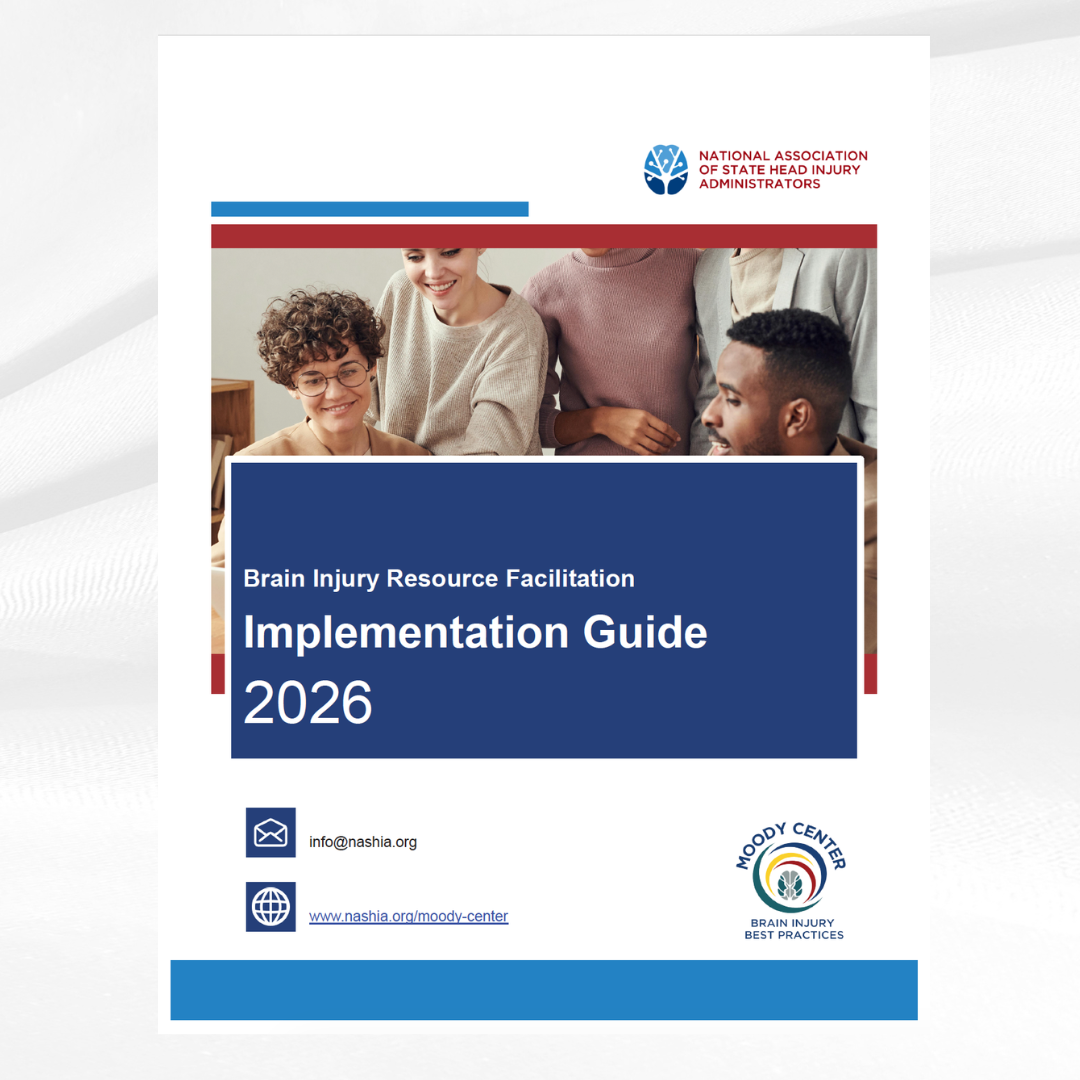
Brain Injury Resource Facilitation Implementation Guide |
|
|
|
ICYMI...In 2023, the National Association of State Head Injury Administrators (NASHIA) - funded by the Moody Endowment - led a Delphi Consensus process with national brain injury leaders, resulting in Brain Injury Resource Facilitation: A Consensus on Best Practices (the “Consensus” report). In 2024, Moody Endowment provided additional funding to NASHIA to establish the Moody Center for Brain Injury Best Practices. |
|
|
|
The first two-year cohort used the Consensus findings to develop the Brain Injury Resource Facilitation Implementation Guide.
The goal of this guide is to support programs with launching, expanding and sustaining a Brain Injury Resource Facilitation program. This guide provides recommendations and best practices and is not mandatory for implementation. |
|
|
|
Community of Practice: Integrating Brain Injury into Certified Community Behavioral Health Clinic (CCBHC) Systems
Sessions run Sep 2026 - Feb 2027 Customized TA starts any time. |
|
|
Want to build upon your CCBHC efforts? NASHIA can help! We’ve assembled technical assistance packages, from foundational to fully customized support, to meet your needs.
Tier 1: Foundational/Group-Based Support Baseline for action and building shared understanding.
Tier 2: Blended Group and State-Specific Support Intermediate option supporting movement from exploration to implementation.
Tier 3: Intensive/Fully Customized State Support Full-service option to drive systems change and long-term sustainability. |
|
|
Beyond Traditional Therapy: Faith Counseling, Cognitive Coaching, and Problem-Solving Approaches for Brain Injury
July 29, 2026 12:00pm - 1:30pm ET |
|
|
Individuals living with brain injury benefit from supportive approaches that extend beyond traditional clinical counseling.
This session explores alternative intervention strategies that promote resilience, self-management, and community participation: Faith-based counseling Wellness and cognitive health coaching through speech-language pathology (SLP) Supports, and innovative problem-solving interventions
|
|
|
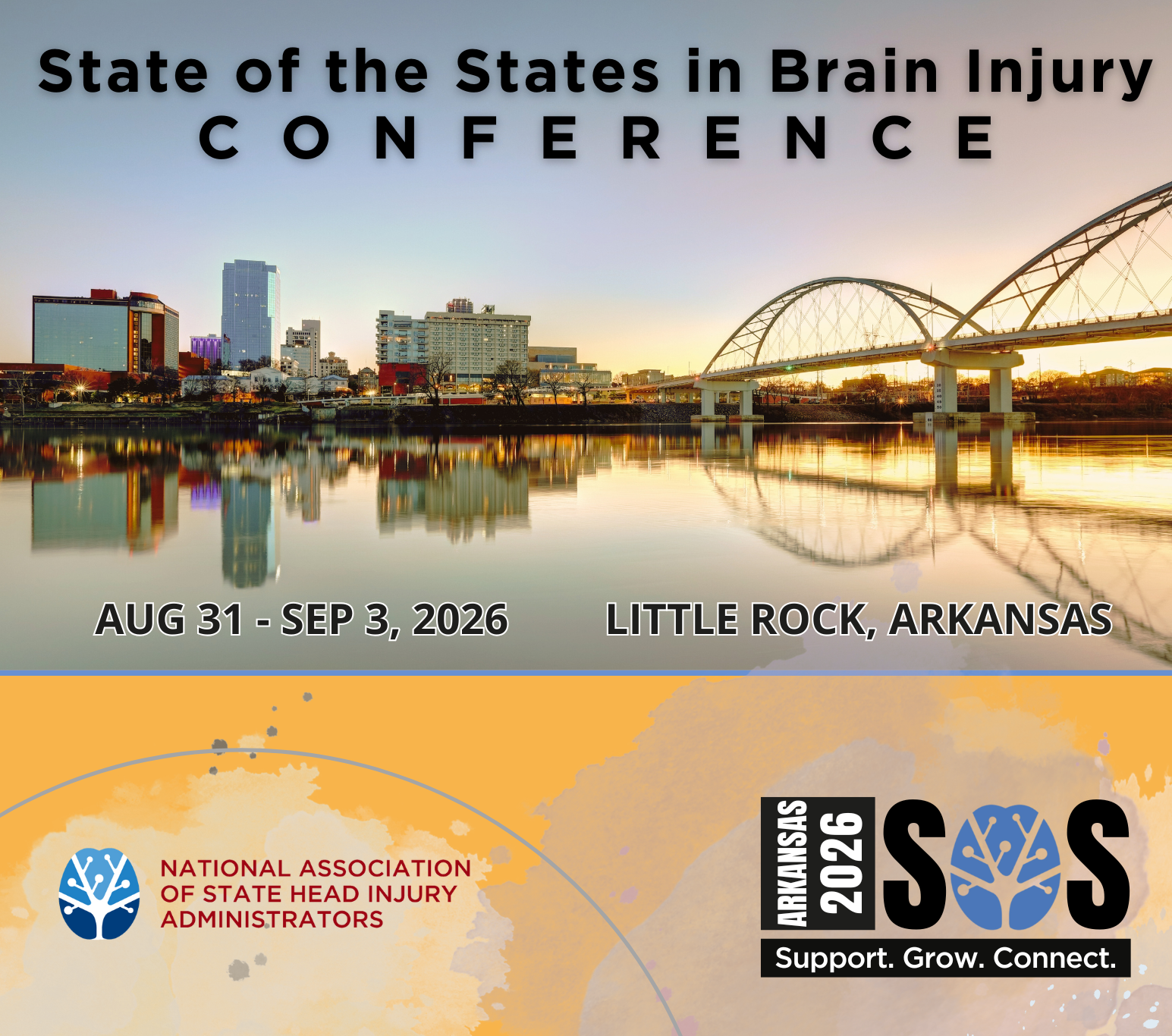
State of the States in Brain Injury Conference
August 31 - September 3, 2026 Little Rock, Arkansas |
|
|
2026's SOS will be the 37th consecutive year that NASHIA has hosted the conference.
SOS continues to bring state leaders together, alongside brain injury advocacy organizations, partners, researchers, and providers.
This year’s conference will highlight work in the Criminal Legal System (CLS), Clinical Practices (CP), Behavioral Health (BH), and Medicaid/Long-Term Services & Supports as content tracks, as well as bring content applicable to the whole brain injury community. |
|
|
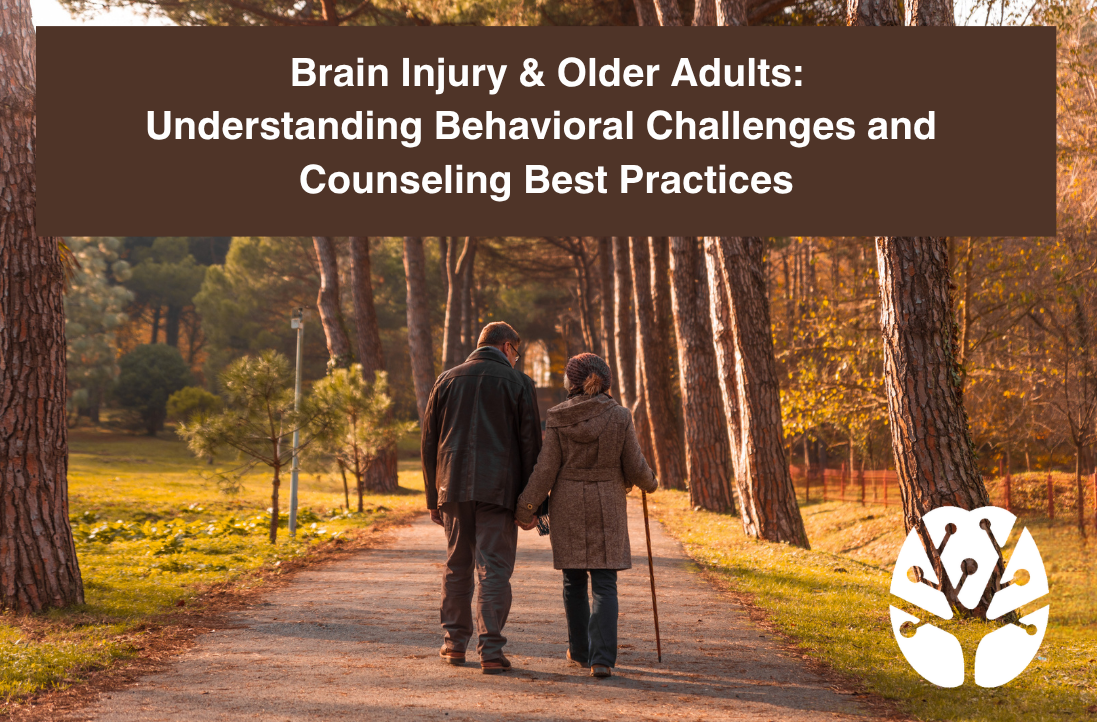
Brain Injury & Older Adults - Understanding Behavioral Challenges and Counseling Best Practices
September 23, 2026 1:00pm - 4:00pm ET |
|
|
This workshop focuses on the unique challenges faced by older adults who sustain brain injury, whether traumatic or non-traumatic, such as stroke, hypoxia, long COVID, or overdose.
Grounded in person-centered, strengths-based approaches, the workshop equips professionals with practical strategies to build rapport, adapt interventions, and provide responsive, culturally informed support tailored to the needs of older adults navigating life after brain injury. |
|
|
TBI Clinical Common Data Elements v3.0 |
|
|
From the National Institute of Neurological Disorders and Stroke (NINDS), National Institutes of Health (NIH). This collection of guidance documents, codebooks and case report forms may be used to support standardized data collection in traumatic brain injury clinical research. Judy Dettmer, NASHIA’s Director of Technical Assistance and Special Projects, contributed to the work. |
|
|
Brain Injury After Overdose Toolkit |
|
|
This toolkit is intended for deflection teams, first responders, and partners involved in post-overdose response. It provides practical guidance for identifying potential brain injury after overdose and adjusting outreach, communication, and expectations to reduce harm and support engagement. |
|
|
Communicating About Brain Injury |
|
|
NASHIA is proud to have been part of the collaboration that brought about this new, important resource for communicating about brain injury. This joint message from national leaders in the brain injury community offers guidance on how to be clear when talking about brain injury. |
|
|

|
|
Founded over three decades ago, Phoenix Services has become a vital resource for Utah’s brain injury community, dedicated to supporting individuals throughout their recovery journeys. With programs spanning education, advocacy, and community-based services. Phoenix Services plays a crucial role in improving the lives of brain injury survivors across the state.
Our organization's legacy includes meaningful contributions to brain injury policy in Utah. We are proud our founder, Nita Smith played a role in establishing the Utah Traumatic Brain Injury Fund and we happily shout from the rooftops that NASHIA’s own Traci Barney received her introduction to brain injury from Phoenix Services and now she leads Utah’s Brain Injury Fund as well as paves the way for Brain injury in Utah. Our leadership now takes what these two ladies taught us, together with the leadership of our current Executive Director, Christi Carpenter, and we dedicate ourselves to keeping focused on the individuals we continue to serve. Phoenix Services supports individuals in all aspects of brain injury ranging from the newly diagnosed, to supported living, and community inclusiveness.
Our Resource Facilitation program connects individuals who have experienced brain injuries with essential support. Many face barriers in accessing healthcare, securing benefits, and rebuilding social connections. Our Resource Facilitators work closely with the individuals who have experienced brain injury to identify personal goals and navigate complex systems, ensuring that no one has to journey through recovery alone. Recently, Phoenix Services has joined with our state Brain injury team, pioneering the program of helping 100 inmates in our state prison. In November, we started screening inmates for brain injuries and teaching the A.H.E.A.D. classes. We quickly moved into our new role of helping individuals reintegrate into society. As we are doing these steps we are seeing some former inmates attend speech therapy which supports them in their recovery. Phoenix Services looks forward to hearing the program's overall impact on recidivism rates.
Additionally, Phoenix Services is expanding its outreach to using the OBISSS and screening at the homeless shelters and we look forward to our new membership with NASHIA to joining the Intimate Partner Violence special interest group. We dream of a Utah that recognizes Brain Injury and people who know where to turn to get the help that they need. |
|
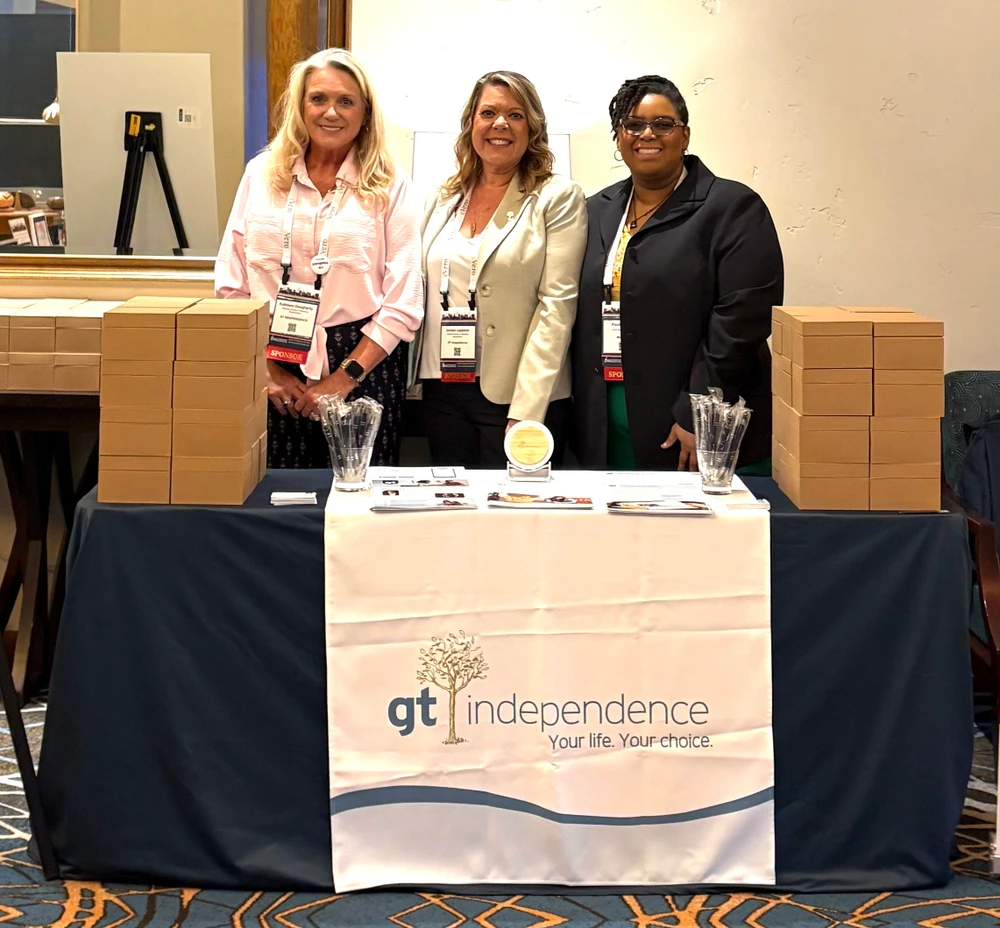
GT Independence: Empowering People Through Self-Direction |
GT Independence supports individuals to live the life of their choosing, regardless of age or ability, by providing financial management services (FMS) that make self-direction possible. Our mission is rooted in the belief that people know their own needs best and should have the freedom, authority, and support to direct their services, define their goals, and build lives that reflect their personal preferences and aspirations. Founded in 2004 by a family with firsthand experience navigating self-directed services, GT understands both the opportunities and challenges that come with managing long-term supports. Today, GT is one of the nation's leading FMS providers, serving over 60,000 individuals in more than 20 states and growing. We partner with state agencies, managed care organizations, and community stakeholders to administer self-direction programs that promote independence, choice, and community inclusion. |
|
|
|
GT helps participants manage the financial, administrative, and employer-related responsibilities associated with self-direction. By handling payroll processing, tax administration, compliance, reporting, and workforce management functions, we remove administrative barriers so individuals and families can focus on what matters most: achieving their goals and living independently in their communities. |
|
|
|
We are dedicated to pairing this innovation with dependable customer support and uncompromising data security. Our staff has extensive, hands-on experience in the human services field, allowing us to understand the unique challenges that service providers and advocates face every day.
GT is also committed to quality, security, and continuous improvement. We are the only financial management services provider in the nation that is CARF-accredited, SOC 2-compliant, and HITRUST-certified. |
|
|
|
|
For individuals living with traumatic and acquired brain injuries, self-direction can be a powerful pathway to independence and recovery. GT is proud to support programs that empower people to choose and manage workers who understand their unique needs, goals, and strengths, helping them achieve greater control, community participation, and quality of life. |
|
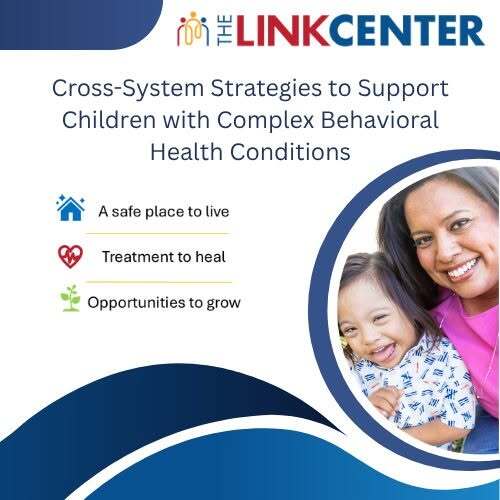
New Link Center Publication |
Now released: Cross-System Strategies to Support Children with Complex Behavioral Health Conditions.
This national publication from The Link Center highlights real policy and program strategies states are using to strengthen systems of care and provides a practical framework others can adapt and scale. Led by the National Association of State Directors of Developmental Disabilities Services (NASDDDS) with the NADD, National Association of State Mental Health Program Directors (NASMHPD), and NASHIA |
|
You received this email because you subscribed to our list. You can unsubscribe at any time. PO Box 59165 Potomac, MD 20859 USA |
|
|
|